ERP and MES Integration Software Development Services
In most plants the ERP knows the order and the machine knows the count, and a person with a clipboard carries the number between them at the end of the shift. ZingZee builds the layer in between: OPC UA gateways that read PLCs and machine controllers, and an MES data model that holds the job as it runs. Interfaces send production orders down and return confirmations, consumption, and stock movements to the ERP as they happen.
- Cyprus, engineers across the globe
- Five-phase delivery
- Typed, tested, handed over
What ERP and MES integration covers
ERP and MES integration is the design, build, and commissioning of the systems that connect a plant's business software to its machines, starting with gateways that read PLCs over OPC UA. It also covers an MES data model that holds production orders, jobs, quantities, scrap, downtime, and batch state as they happen, and interfaces that exchange orders, confirmations, consumption, and stock movements with the ERP. ZingZee builds this layer for plants in Cyprus and Europe that run an ERP for orders and finance and a floor full of machines that report to nobody, so the office works from yesterday's numbers and corrects stock by hand each month. The ERP stays the commercial record, and the floor gains a system of its own.
ERP and machine integration use cases
Bottling line counters posted to the ERP
A drinks bottler reads filler, labeller, and palletiser counters over OPC UA and posts finished quantities and consumption to the ERP as each pallet is completed. The end-of-shift data entry disappears, stock in the ERP matches the warehouse the same evening, and costing reflects actual scrap.
Mixed-vendor CNC shop on one screen
A metal fabrication shop with lathes, mills, and a laser cutter from several vendors gets a gateway per cell, OPC UA where the controllers support it and a signal adapter where they do not. Job status, cycle counts, and alarms from every machine appear on one screen, and confirmations reach the ERP without a clipboard.
Extrusion line recipes sent from the ERP
A plastics extruder receives recipe numbers and target quantities with each order from the ERP, and the gateway writes the recipe selection to the line controller when the operator starts the job. Speeds, temperatures, and output are recorded against the order, and the batch record shows the parameters the line ran.
Downtime reasons in a corrugated packaging plant
A corrugator plant replaces a downtime log on paper with events detected from the machines and a reason entered by the operator at the terminal. The weekly meeting works from downtime by cause, line, and shift, and the maintenance engineer sees the recurring stops before they become a breakdown.
Feed mill dosing records behind each batch
A feed mill reads dosing weights and mixer times from the batching PLC and records them against each production order with the raw material lots consumed. The ERP receives consumption per batch, and the customer's request for the record behind a delivery is answered from the machine's data.
Why ZingZee for ERP and machine integration work
ZingZee reads machines over OPC UA wherever the controller supports it and documents an adapter where it does not, so the plant owns a data layer built on an open standard. A machine or a vendor can change, and the layer above it stays as it is.

Orders, stock value, and finance remain in the ERP, and the MES layer holds the job. Every posting to the ERP is idempotent and reconciled, so the finance team sees the same stock and cost as the supervisor, and nobody keeps a parallel spreadsheet.

Each machine is connected, tested against its own display, and signed off with the supervisor during a planned stop, with a checklist per machine kept as evidence. ZingZee commissions no gateway on a bench test, and a line is never taken down for an integration without an agreed date.
The strategic assessment ranks each line by the hours the office spends typing its confirmations and the stock corrections behind them, and the lines are connected in that order. The plant sees the first line posting to the ERP before the second is touched.
When custom ERP and MES integration is the right choice
Custom ERP and MES integration is the right choice when the ERP is fed by hand at the end of each shift, so consumption, scrap, and finished quantities reach the office a day late. The same applies when the plant has machines from several vendors, each with its own controller, and nobody can see the whole line. It suits a producer whose ERP vendor offers a shop-floor module that assumes one brand of machine, and a plant preparing for a customer or certifier who asks for machine-level records behind each batch. A group comparing lines and sites on the same figures is also a fit.
When custom ERP and machine integration is the wrong choice
Custom ERP and machine integration is the wrong choice when the ERP vendor's shop-floor connector already supports the plant's machines and the remaining gap is configuration. A plant with a handful of manual machines and no controllers to read is better served by a terminal for confirmations and a good stock routine, at a fraction of the cost. Where the ERP is the problem, with routings and bills of materials that do not reflect the plant, an integration carries bad data faster, and ZingZee recommends the master data is corrected first. Where the machine vendor's contract forbids controller access and no alternative signal is acceptable, the line stays out of scope.
ERP and MES integration services ZingZee provides
OPC UA gateways for PLCs and machine controllers
ZingZee installs and configures gateways that read PLCs and controllers over OPC UA as the standard, with MQTT, Modbus, and serial adapters for machines that offer nothing else. Every tag is named, scaled, and documented per machine, and the gateway queues data locally through a network outage.
MES data model and shop-floor terminals
Production orders become jobs on lines, operators start and close them at a terminal or the gateway detects the change from the machine, and quantities, scrap, downtime, and batch state are held as the job runs. Supervisors see the shift live, and the data model holds state the ERP was never designed to keep.
ERP interfaces for orders, confirmations, and stock
ZingZee builds the interface that sends production orders, routings, and bills of materials to the floor and returns confirmations, consumption, stock movements, and completed quantities to the ERP's own API, staging tables, or file exchange. Postings are idempotent and reconciled nightly, and the ERP stays the commercial record.
Downtime, OEE, and line dashboards
Run state, counters, and alarms from the machines are turned into downtime events with reasons, run rates against standard, and overall equipment effectiveness per line and shift. Dashboards on the floor and office show the same figures, and the weekly production meeting works from the record.
Maintenance triggers and alarm records
Run hours, cycle counts, and alarm patterns from the machines drive maintenance schedules and raise work orders in the maintenance system or the ERP, with parts reserved from stock. The alarm record per machine is kept for the maintenance engineer and the vendor's service visit.
ERP and MES integration engagement scope
Deliverables
The gateways and MES layer in production, the OPC UA tag list and adapter documentation per machine, the ERP interface specification and its reconciliation reports, the terminals and dashboards, the test suite, the commissioning checklists as signed, an operations runbook, and training material.
Included as standard
A strategic assessment with a machine and PLC inventory, the network and gateway design, the MES data model, build in reviewed increments, commissioning during planned windows, a parallel run against the manual confirmations, and go-live support.
Priced separately
Additional lines or sites beyond the agreed set, gateway hardware, edge servers, sensors, and network switches, ERP vendor connector licences, a second ERP or a maintenance system integration, ongoing support after go-live, and any machine that needs the vendor's engineer.
What the client provides
PLC and controller documentation and access, with the machine vendor's consent where required, the ERP's interface documentation, credentials, and a test environment, network access, the routings and bills of materials as they stand, access to the supervisors and the maintenance engineer, and a sponsor who can approve each commissioning.
Outside the engagement
Electrical and network installation, changes to the PLC logic, the machine vendors' service contracts, the ERP licence and its master data, and the plant's safety and electrical certification remain with the client, with ZingZee supplying the specification each needs.
How an ERP and machine integration engagement with ZingZee runs
for ERP and machines work.
An ERP and machine integration engagement with ZingZee follows the five-phase delivery framework and starts with an inventory. The strategic assessment walks every line with the maintenance engineer, records each machine, its controller, protocol, and vendor contract, reads the ERP's interface documentation, and lists the confirmations the office types by hand today. The AI roadmap fixes the gateway placement, the network design, the MES data model, the ERP interface method, and the order in which lines are connected. Integration and deployment installs a gateway per cell, connects and commissions each machine, builds the ERP interface, and runs it against the manual confirmations until reconciliation is clean. Adoption and enablement trains operators, supervisors, and the office, and governance, optimisation and scale keeps the tag lists, interfaces, and dashboards under review.
Strategic assessment
We assess how the business operates today: its processes, its data and the systems it runs on. From that we identify the use cases with the highest return and confirm the organisation is ready to adopt them, so the programme starts from a defined baseline.
AI roadmap
Findings become a phased roadmap that balances early wins with the longer build. ZingZee sets the milestones, the resourcing and the governance that keep delivery on schedule and aligned to business objectives.
Integration and deployment
Our engineers develop, validate and deploy the solution into your production environment, integrated with the enterprise systems you already run and sized for the workloads it will carry.
Adoption and enablement
Enablement programmes prepare business users and technical teams to work with the new capability, and structured change management ensures the organisation captures the full value of what has been deployed.
Governance, optimisation and scale
Ongoing governance, monitoring and optimisation keep the solution accurate, compliant and performing. Proven solutions are then scaled across departments and regions under the same data governance standards.
ERP and machine integration tooling
ZingZee builds the layer between ERP and machines on a stack chosen for industrial protocols, reliable operation on plant hardware, and interfaces with the ERPs common in European plants. The tooling covers:
- Go services on edge servers for OPC UA, MQTT, and Modbus clients with local queues
- .NET services for the MES data model, ERP interfaces, and reconciliation
- PostgreSQL with a time-series store for machine tags and append-only job records
- Browser-based terminals and dashboards for the floor and the office
- Adapters for ERP APIs, staging tables, and file exchange, with idempotent postings
- Network segmentation between the machine network and the office network
- Automated tests on every interface, commissioning checklists per machine, and reviewed pull requests
ERP and machine integration delivery practices
Every tag ZingZee reads from a machine is named, scaled, and documented at the gateway, stored with its source and time, and never edited. Gateways run on plant hardware, queue data locally through a network outage, and synchronise when the link returns, so no shift is lost because the office network was. The machine network is segmented from the office network, and gateways write only the values the plant has approved, such as a recipe selection. Every posting to the ERP is idempotent and carries a reference, a reconciliation runs each night, and differences are listed for the office to resolve. Commissioning follows a checklist per machine, signed by the supervisor, and a line is never connected outside a planned window.
Cost and time for ERP and MES integration
The cost of ERP and MES integration depends on the number of machines and the protocols they speak, the age and documentation of the controllers, the floor network, the ERP and its interface method, and the depth of the MES record the plant wants.
A gateway reading a handful of machines into a dashboard, with confirmations posted to the ERP, is weeks from assessment to commissioning. A full MES layer across several lines with terminals, downtime reasons, batch state, and a reconciled ERP interface is months, connected line by line. A group connecting several sites to one ERP is delivered site by site. ZingZee provides a written estimate after the strategic assessment, line by line.
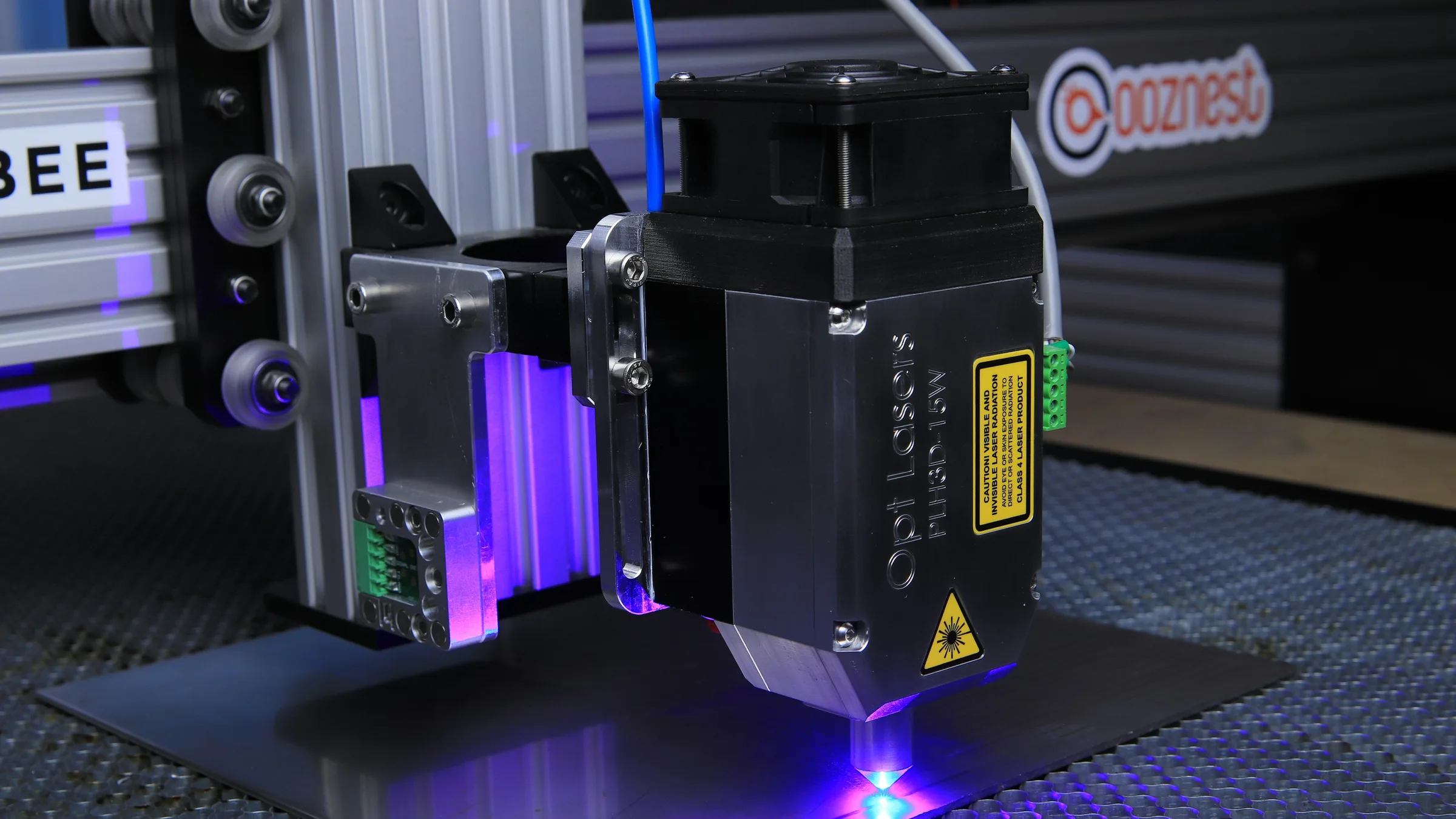
ERP and MES integration software development for business systems and the shop floor
Plants ZingZee connects ERP and machines for
ZingZee connects ERP and machines for food and drink plants with filling, packing, and palletising lines from several vendors, for packaging producers running corrugators, presses, and converting equipment, and for building materials plants with batching PLCs, kilns, and block machines. It builds for plastics and metal fabrication shops with extruders, presses, and CNC machines, and for feed, chemical, and light assembly plants with batching and dosing controllers. The same layer serves a single plant in Cyprus feeding its ERP from the line and a group reporting every site on the same figures.
What happens next?
You send a description of the plant, the lines and the machines on them with their vendors, the ERP you run, and what the office types by hand today.
An engineer reads it and replies within two working days with the shape of a strategic assessment and the machine inventory it would produce.
You sign a non-disclosure agreement if needed, and you receive a proposal with the phases, the deliverables, the team, and the order in which the lines would be connected.
Frequently asked questions
Straight answers on ERP and machines work with ZingZee.