Logistics Software Development Services
Logistics software development for operators that need one record of every movement
ZingZee is a Limassol software consultancy that designs, builds, and integrates logistics software for carriers, warehouses, buying teams, and multi-channel sellers. Each system is delivered through the five-phase framework and connects to the ERP, telematics, and carrier systems the operator already runs.
What logistics software development covers
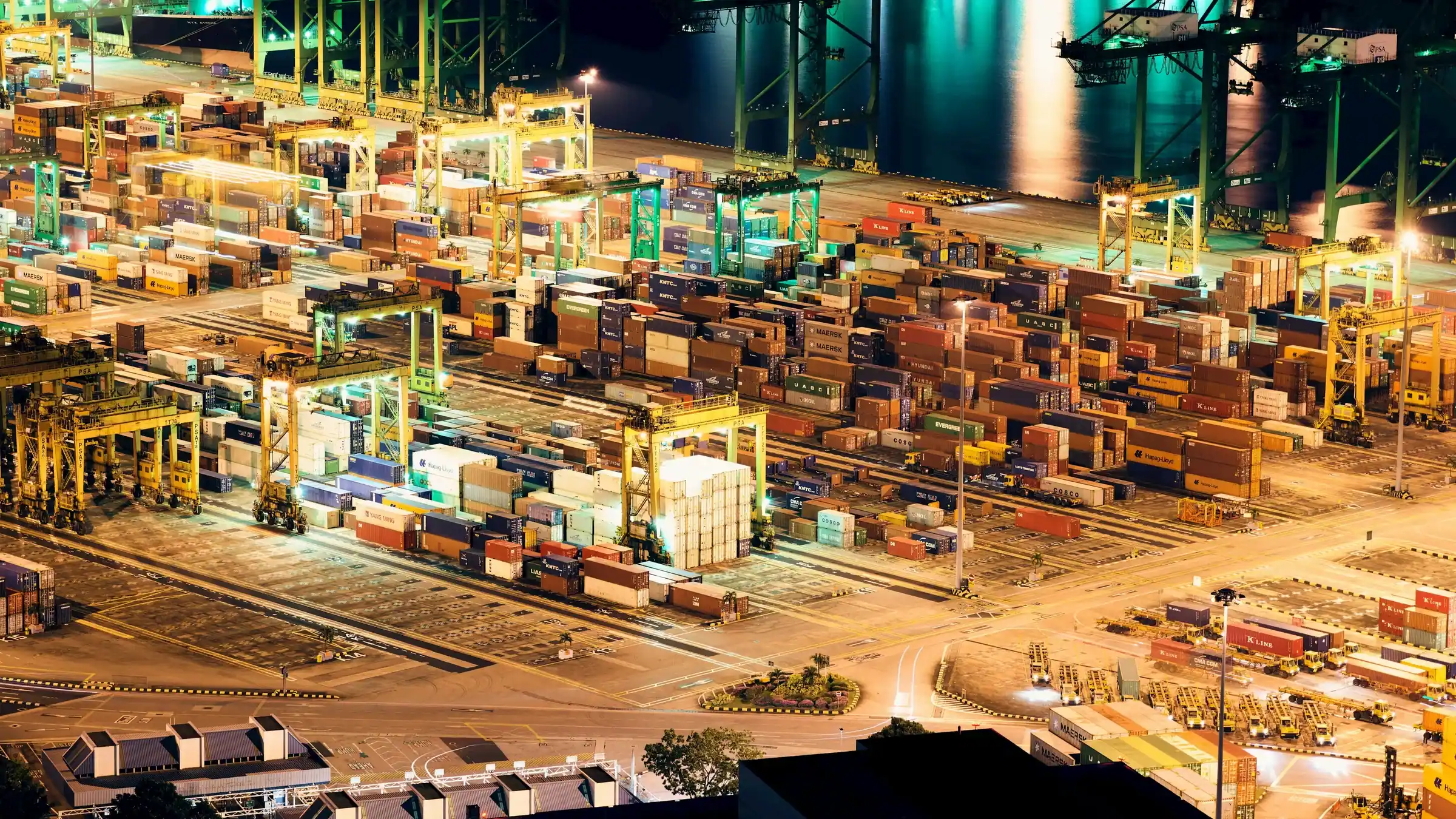
ZingZee delivers custom logistics software development for carriers, warehouses, buying teams, and multi-channel sellers, helping operators plan each movement of goods, record it as it happens, and reconcile the record against what arrived. The scope covers transport management and telematics integration, proof of delivery, warehouse management with cycle counts, purchase-order tracking, order orchestration, EDI and ERP integrations including SAP, and customer tracking portals. Every system carries a timestamped event log, so a dispatcher, a warehouse supervisor, and a customer read the same position for the same consignment.
Logistics industries.
Transport, warehouse and supply chain systems with live visibility.
Logistics software use cases
- 01
Move dispatch off the spreadsheet
A regional haulier replaces a planning spreadsheet and a separate telematics screen with one dispatch board that shows each vehicle, each job, and the estimated arrival at every stop.
- 02
Capture proof of delivery at the door
A courier firm retires paper delivery notes and captures a signature, a photograph, and a scan at each drop on an app that works offline, and disputes are settled from the record.
- 03
Match the stock count to the ERP at month end
A distributor replaces an annual stocktake with scheduled cycle counts by zone on handheld scanners, and the warehouse ledger, the online shop, and SAP reconcile each night.
- 04
Flag late supplier deliveries early
A wholesaler tracks every purchase order against the supplier's confirmed date, and an exception list shows late or short lines the morning they fall behind.
- 05
Route each order to the right site and carrier
A retailer with two warehouses replaces manual allocation with an orchestration engine that reserves stock, chooses the fulfilment site, selects the carrier, and returns a tracking link to the customer.
When custom logistics software is the right choice
Custom logistics software is the right choice when an operator's mix of contracts, vehicles, sites, and channels no longer fits the packaged transport or warehouse product it started with. It suits a carrier whose dispatchers plan in spreadsheets, a warehouse whose counts drift from the ERP each month, and a seller whose orders hold a different status in every channel. The strategic assessment confirms which modules justify custom work.
When custom logistics software is the wrong choice
Custom logistics software is the wrong choice when the operation is standard and a packaged transport or warehouse product with a live support contract already covers it. A single-site warehouse with one sales channel is usually served by a barcode add-on and a nightly reconciliation to the ERP. It is also the wrong choice where the operating process itself is undecided. ZingZee states which case applies in the assessment.
Logistics software development services ZingZee provides

Transport management and route planning
ZingZee builds load planning, route sequencing, carrier selection, and dispatch boards for carriers and hauliers. Job status and estimated arrival are calculated from the driver app and the telematics feed, so the transport office and the customer read the same time.

Fleet telematics integration and proof of delivery
ZingZee connects the platform to the telematics units already fitted to the fleet, bringing position, speed, and temperature data onto the dispatch board. The driver app closes each stop with a signature, a photograph, and a scan.
Warehouse management and stock counts
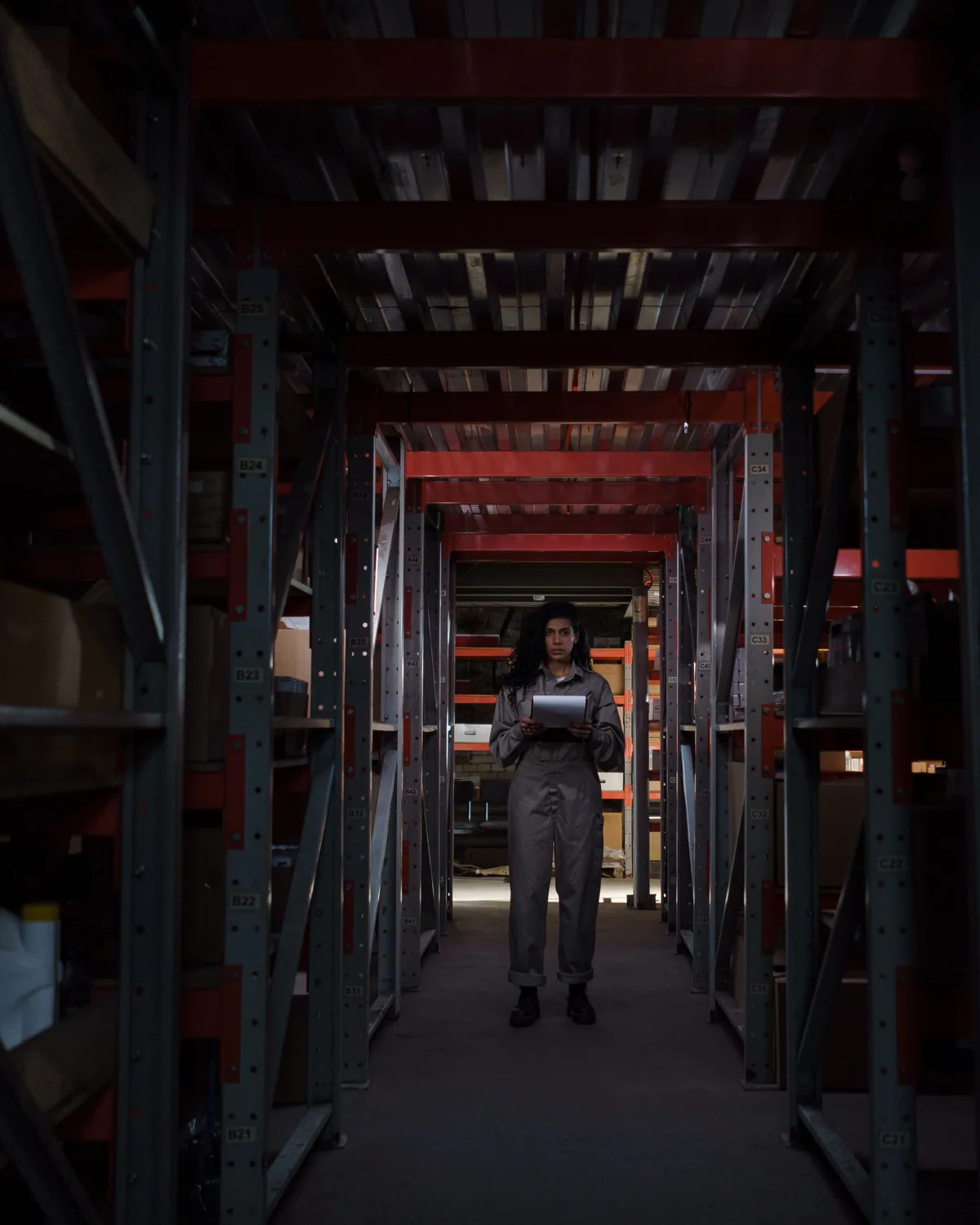
ZingZee builds receiving, put-away, picking, packing, and dispatch workflows on handheld scanners. Cycle counts run by zone, and a variance report names the location, the product, and the counter for each difference.
Supplier and purchase-order tracking
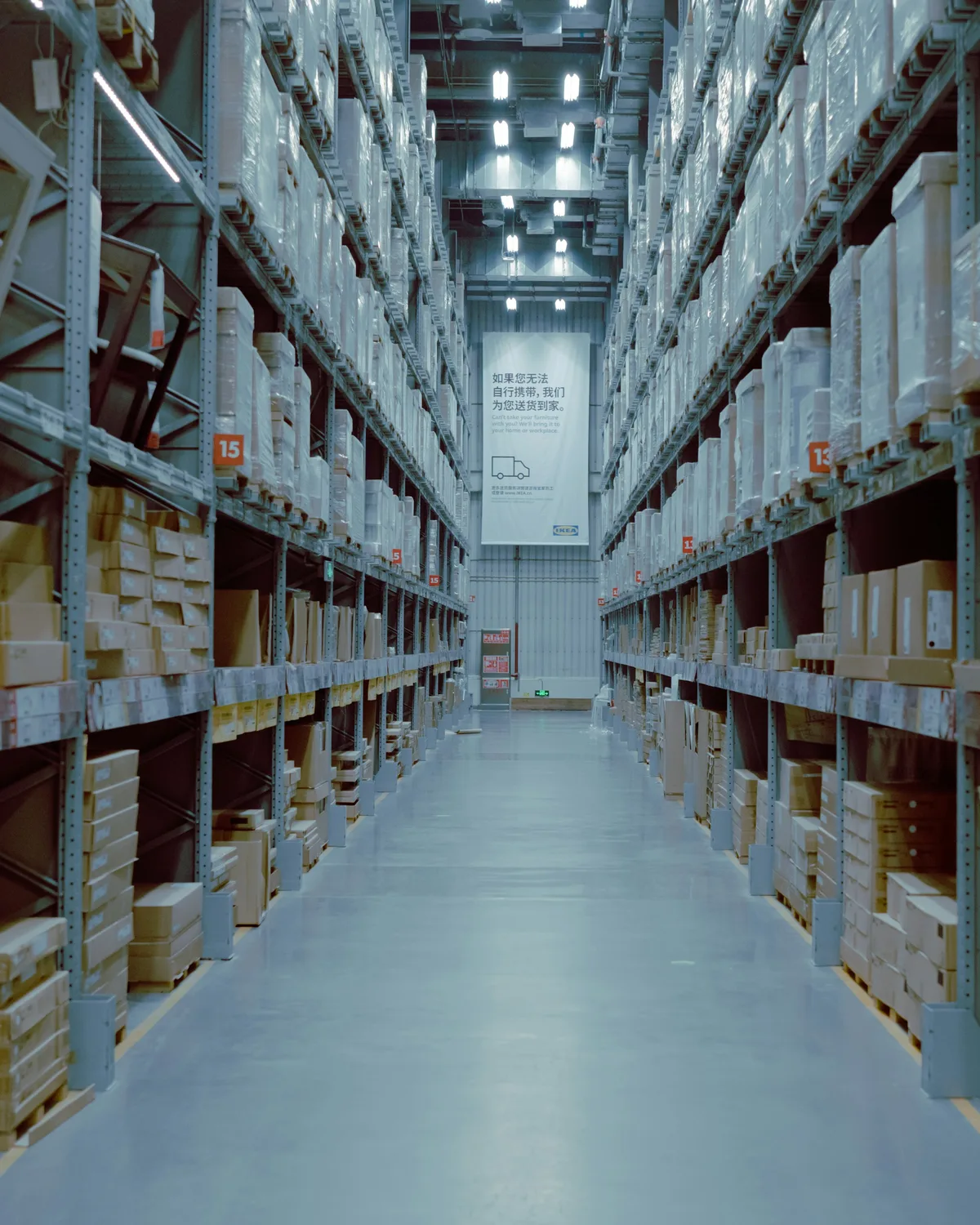
ZingZee builds purchase-order tracking from issue to receipt, with confirmed dates from each supplier, advance shipping notices matched to order lines, and an exception list of late, short, and unconfirmed deliveries.
Order orchestration, EDI, and tracking portals
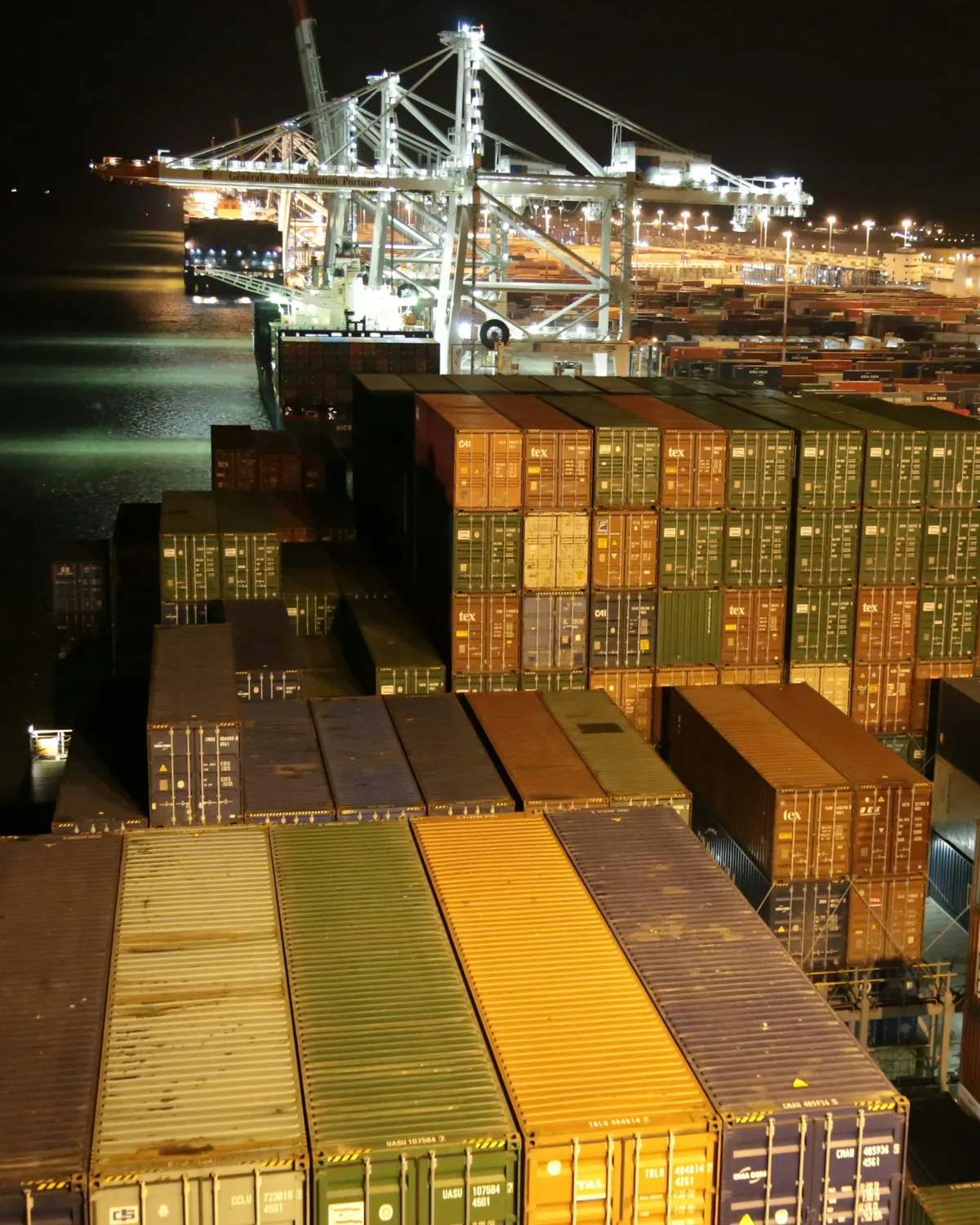
ZingZee builds an orchestration engine that allocates stock, chooses the fulfilment site, and routes each order to a carrier, exchanges documents by EDI with SAP and other ERP systems, and publishes a tracking portal to customers.
Why ZingZee is a dependable logistics software development company
One event log across the chain
Every scan, status change, and position update is written to one event log with its source and its time, and every screen reads from that log, so a disputed delivery or a stock variance is settled from the record.
Integration with the systems already in place
ZingZee connects to telematics providers, carrier APIs, EDI partners, and ERP systems such as SAP through adapters, so the ERP remains the financial record and a change of vendor touches one adapter.
Mobile applications built for the road and the aisle
Driver and warehouse apps run on Android and iOS, work offline in a loading bay or a rural lane, and sync when the signal returns, so a lost connection never loses a proof.
A written quote per phase
ZingZee quotes the strategic assessment in writing and each module once its scope is set, so an operator approves a known figure before work starts.
How a logistics software project with ZingZee runs
A logistics software project with ZingZee runs through the five-phase delivery framework. The strategic assessment walks the depot, the warehouse, and the dispatch office, maps the flow of a consignment from order to proof of delivery, and produces a prioritised list of modules with a written quote for the first. The AI roadmap fixes the order of delivery, the architecture, the hosting, and the integration points with the ERP, the telematics provider, and the carriers. Integration and deployment builds each module against live feeds and takes it into production one depot or one channel at a time. Adoption and enablement trains the operations teams on the release they will use. Governance, optimisation and scale keeps the platform under review as contracts, carriers, and sites change.
Strategic assessment
We assess how the business operates today: its processes, its data and the systems it runs on. From that we identify the use cases with the highest return and confirm the organisation is ready to adopt them, so the programme starts from a defined baseline.
AI roadmap
Findings become a phased roadmap that balances early wins with the longer build. ZingZee sets the milestones, the resourcing and the governance that keep delivery on schedule and aligned to business objectives.
Integration and deployment
Our engineers develop, validate and deploy the solution into your production environment, integrated with the enterprise systems you already run and sized for the workloads it will carry.
Adoption and enablement
Enablement programmes prepare business users and technical teams to work with the new capability, and structured change management ensures the organisation captures the full value of what has been deployed.
Governance, optimisation and scale
Ongoing governance, monitoring and optimisation keep the solution accurate, compliant and performing. Proven solutions are then scaled across departments and regions under the same data governance standards.
Logistics engagement scope
Deliverables
A working system in production, the data model and API documentation, the event log and integration specifications, the driver and warehouse apps, the test suite, the deployment pipeline, and an operations runbook.
Included as standard
A strategic assessment at the start, role-based access and an event log on every module, offline-capable mobile apps, adapters for the first telematics provider and the first carrier, a nightly reconciliation to the ERP, and training for the operations teams.
Priced separately
Data migration from a legacy transport or warehouse system, scanner and printer hardware, licences for telematics, mapping, or EDI providers, carriers beyond those scoped, and the aftercare arrangement agreed at go-live.
What the client provides
The contracts and service levels in view, access to the dispatch, warehouse, and finance staff, sample data and the systems list, credentials for the ERP, telematics, and carrier accounts, and an operations lead who signs off each release.
Outside the engagement
Carrier contracts, customs and transport compliance, the ERP licence and its configuration by the vendor, and the operator's contracts with its telematics and EDI providers remain with the client, with ZingZee supplying the technical inputs.
Logistics software tooling
ZingZee uses one set of tools across every logistics engagement, so the event log and the integrations are built the same way for each operator. The tooling covers:
- Go or Python services for dispatch, orchestration, and integration workloads
- PostgreSQL with PostGIS for locations and routes, and append-only event tables
- Native Android and iOS apps for drivers and warehouse staff, with an offline queue
- Adapters for telematics providers, carrier APIs, mapping services, and EDI partners
- SAP and other ERP integrations by IDoc, API, or EDI, with a nightly reconciliation
- Automated tests on every workflow and load tests before peak season
Cost and time for logistics software
The cost of logistics software depends on the number of modules, the ERP, telematics, carrier, and EDI systems to connect, the number of sites, vehicles, and users served, and the volume of data to migrate. A proof of delivery app on an existing dispatch system is a matter of weeks. A transport management system with telematics and carrier integrations, or a warehouse platform reconciled to SAP, is a matter of months. ZingZee provides a written estimate after the strategic assessment and can phase the budget to match the operator's priorities.

Logistics software engineering practices
Every event ZingZee records carries its source, its time, and the device or system that produced it, so a disputed delivery or a stock variance is settled from the log. Mobile apps queue scans and proofs on the device and sync in order when the signal returns. Integrations are idempotent, so a repeated EDI message never creates a duplicate order or a second receipt. Every release passes automated tests and a load test before it reaches production.
Operators ZingZee builds logistics software for
ZingZee builds logistics software for carriers, hauliers, and courier firms that need dispatch, telematics, and proof of delivery, described on the transport and fleet page. It builds for distributors and third-party logistics providers that need warehouse counts matching the ERP, described on the warehouse and stock page, for importers and manufacturers that need supplier visibility, described on the supply chain page, and for retailers that need order orchestration and tracking portals, described on the order management page.
What happens next?
You send a description of the operation, the systems and carriers you run today, and the gaps your teams work around.
An engineer reads it and replies within two working days with the shape of a strategic assessment and a written quote for it.
You sign a non-disclosure agreement if you need one, and you receive a proposal with the phases, the estimate, and the team.
Frequently asked questions
Straight answers on Logistics work with ZingZee.