Cloud Consulting Services
Cloud, hybrid, or your own hardware, chosen on the evidence
ZingZee provides cloud consulting services for companies deciding where their systems should run: on a public cloud, on a dedicated server, on hardware in their own building, or across a combination. Each decision is made in the strategic assessment on measured load, cost, and data rules, and the chosen platform is built and run through the five-phase delivery framework.
What cloud consulting services cover
Cloud consulting services are the assessment, design, build, and operation of the infrastructure a business system runs on, from the choice of platform to the monitoring that keeps it available.
ZingZee, a software consultancy in Limassol, Cyprus, treats hosting as a decision with a cost, a risk, and a compliance position, and states all three before a platform is chosen. The options are the large public clouds, a dedicated server in a European data centre, ZingZee's own GPU hardware in Cyprus, a server in the client's own building, and a hybrid of these. Each is priced on the client's measured load over a normal month and a peak month, and the recommendation is written down with its reasoning.
Cloud consulting services ZingZee provides
 Cloud-native developmentSystems designed to scale with demand on managed cloud platforms.Read more
  Cloud migrationPlanned moves from on-premises servers with rehearsed cut-over.Read more
  AWS consultingAWS environments configured, secured and costed against a model.Read more
  Azure managed servicesAzure estates managed and monitored for Microsoft-centred organisations.Read more
  Oracle Cloud InfrastructureOCI and Oracle Database environments planned, migrated and operated.Read more
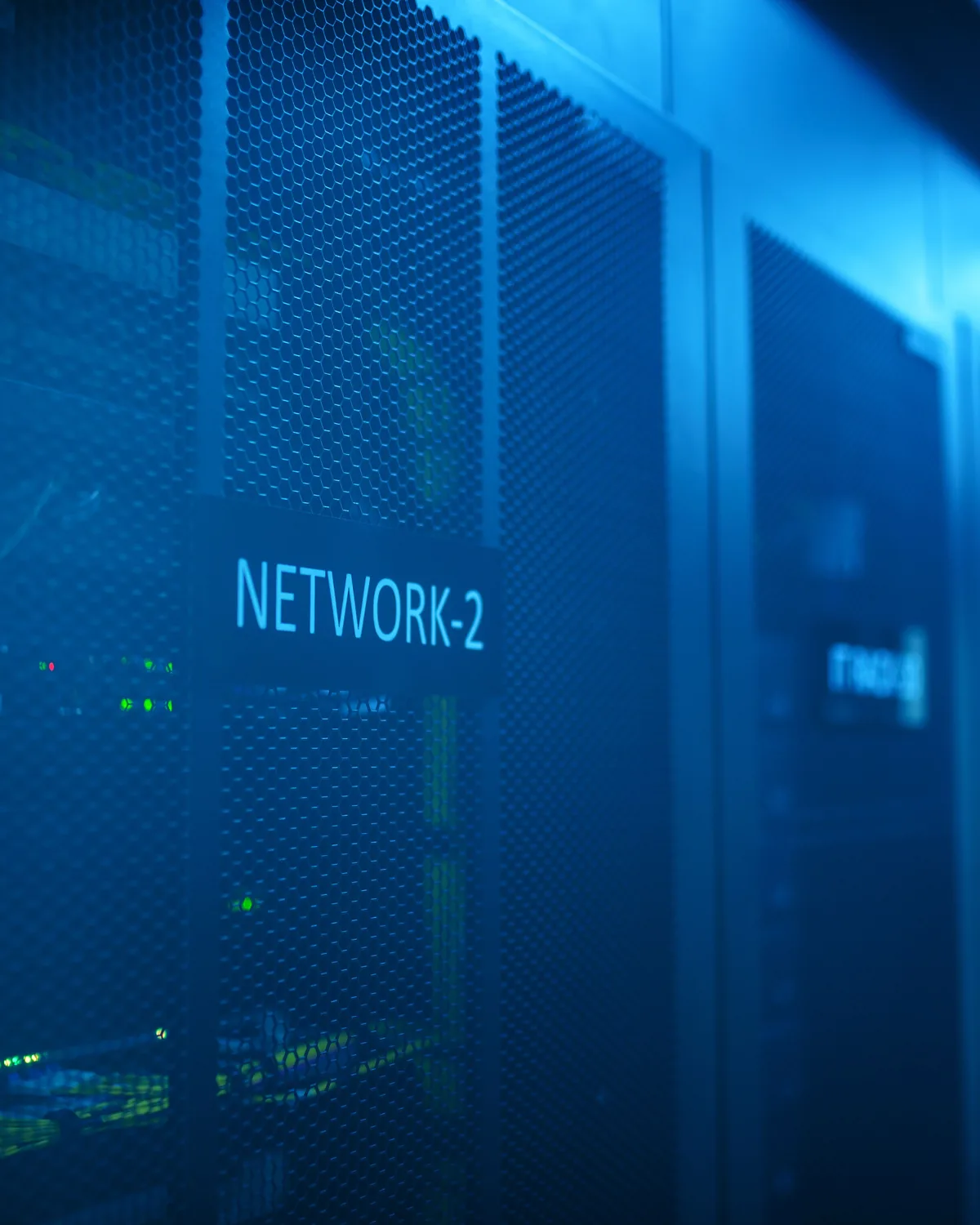
  On-premises infrastructureServers in the client's building or ZingZee's Cyprus facility.Read more
When the cloud is
the right choice.
When the cloud is the right choice
A public cloud is the right choice when demand moves through the day or the year and the business would otherwise pay for capacity it does not use on a quiet day. It suits a system that must be reachable from several countries with low delay and a team with nobody to patch and back up a server. It also suits a company for which a managed database, queue, or object store removes work that would fall to its own staff. The strategic assessment measures the current load, prices it on each platform, and records which of these conditions apply before any account is opened.
When the cloud is the wrong choice
A public cloud is the wrong choice when a workload runs at a steady level all year, because a dedicated server or owned hardware at the same capacity costs a fraction of the monthly bill. It is the wrong choice when data may not leave a named country or building under a contract or a regulator's rule, and when a warehouse, factory, or clinic must keep working through an internet outage. It is also the wrong answer for a language model that answers thousands of questions a day, where a GPU server at a fixed cost overtakes metered inference within months. In each case ZingZee proposes the alternative and shows the cost comparison in the assessment.
Use cases

Cut a steady hosting bill to a fixed monthly cost
A platform with a level load all year moves from metered cloud compute to a dedicated server or owned hardware, priced against the last twelve months of invoices, with the saving reported each month after the move.

Keep regulated data inside the country
Records that a contract or a regulator keeps inside a jurisdiction are hosted on a server in that country or in the client's building, with an audit log showing where every copy sits.

Absorb a seasonal peak without buying for it
A booking or retail system that trebles its traffic for three months of the year runs on capacity that scales by rule, load-tested at peak volume before the season, with a cost cap agreed in writing.

Run private AI at a fixed cost
A language model that answers questions all day is served on ZingZee's GPU hardware in Cyprus or on the client's own machine, so the cost is the same on a busy day as on a quiet one and no prompt leaves the company.

Keep the site working when the connection fails
A warehouse, factory, or clinic system runs on a machine on the premises with a cloud copy for reporting and backup, so pick lists and records stay available through an internet outage.

Cloud, hybrid, or your own hardware, chosen on the evidence
Industries where ZingZee has placed workloads
ZingZee has placed a villa rental platform on a dedicated cloud server in Germany with a rehearsed cutover of about 25 minutes, a live mirror of a retailer's SAP system on a cloud server with a 30-second sync, a distributor's ordering platform on a new Linux server inside its own network, and a car importer's platform on a managed database and serverless front end in the dealer's own name. The same method is offered to hospitality, retail, distribution, professional services, and healthcare firms.
Cloud engagement scope
Deliverables
A written hosting recommendation with the cost comparison, the chosen platform built and configured in the client's name, the application deployed and monitored on it, and an operations runbook, in daily use at the end of the engagement.
Deliverables
A written hosting recommendation with the cost comparison, the chosen platform built and configured in the client's name, the application deployed and monitored on it, and an operations runbook, in daily use at the end of the engagement.
Included as standard
Load measurement, a cost model per platform, infrastructure defined as code, backup with a tested restore, monitoring with alerts to a named person, a security baseline check, and a recorded handover.
Environments and hosting
ZingZee provisions a staging and a production environment on the chosen platform and runs both until handover. Cloud accounts, domains, and certificates are held in the client's name; ZingZee holds delegated access that the client can revoke.
Priced separately
Application changes needed before a workload can move, data clean-up, hardware for the client's premises, a second region for disaster recovery, and managed operations after handover are quoted as their own items.
What the client provides
Access to the current servers and invoices, a list of the systems in scope and their owners, the data-residency rules that apply, a maintenance window for the cutover, and a person who approves each release.
Outside the engagement
Cloud subscription fees, electricity, network, and physical security for on-premises hardware, software licences, and legal review of hosting contracts are the client's to hold; ZingZee specifies each and confirms it is in place before go-live.
How a cloud engagement with ZingZee runs
A cloud engagement with ZingZee runs through the five-phase delivery framework. The strategic assessment measures the load, the data volumes, and the traffic pattern of the systems in scope, records the data rules that apply, and prices the same system on each candidate platform. The AI roadmap turns that into a build or migration order, with the platform decision written down and the workloads sequenced by risk and by saving. Integration and deployment builds the environment as code, connects it to the systems it must reach, rehearses the cutover, and moves the workloads one at a time with a verified copy of every record. Adoption and enablement trains the team that will operate the platform, hands over the runbook, and sets the on-call and escalation rules. Governance, optimisation and scale reviews cost, capacity, and security every month and adjusts the platform as the business changes. Each phase closes with a hardening workshop, where the environment is tested against load and the security checklist, and a delivery workshop, where the client signs off the release.
Strategic assessment
We assess how the business operates today: its processes, its data and the systems it runs on. From that we identify the use cases with the highest return and confirm the organisation is ready to adopt them, so the programme starts from a defined baseline.
AI roadmap
Findings become a phased roadmap that balances early wins with the longer build. ZingZee sets the milestones, the resourcing and the governance that keep delivery on schedule and aligned to business objectives.
Integration and deployment
Our engineers develop, validate and deploy the solution into your production environment, integrated with the enterprise systems you already run and sized for the workloads it will carry.
Adoption and enablement
Enablement programmes prepare business users and technical teams to work with the new capability, and structured change management ensures the organisation captures the full value of what has been deployed.
Governance, optimisation and scale
Ongoing governance, monitoring and optimisation keep the solution accurate, compliant and performing. Proven solutions are then scaled across departments and regions under the same data governance standards.
Cloud and infrastructure tooling
ZingZee uses one set of infrastructure tools across every platform it operates, so a client who reads about one deployment can expect the same on the next. The tooling covers:
- Infrastructure defined as code for cloud accounts, networks, and servers
- Linux servers hardened to a written baseline with key-only access
- Postgres as the default database, managed or self-hosted
- Containers and a deployment pipeline that builds, tests, and releases from the repository
- Metrics, logs, and uptime checks with alerts to a named person
- Encrypted, tested backups with a restore rehearsed before go-live
Infrastructure engineering practices
Every environment ZingZee builds is defined as code in the client's repository, so a server can be rebuilt from a file and a change is reviewed before it is applied. Access is by named account and key, with the minimum rights the task needs, and every administrative action is logged. Backups are encrypted, held in a second location, and restored on a schedule to prove they work. A cutover happens only after a rehearsal on a copy of production, with a rollback step written beside every forward step.
Cost and time for a hosting decision
The cost of a hosting engagement depends on the number of systems in scope, the volume of data to move, the platform chosen, the data-residency rules, and whether the application needs changes before it can run elsewhere. A hosting assessment with a written recommendation is a matter of weeks. Setting up a platform and moving a single application takes weeks to a few months, and a programme covering several systems goes live one workload at a time. ZingZee provides a written estimate after the strategic assessment and phases the budget to the client's priorities.
What happens next?
You send a description of the systems you run, where they run today, and any rules on where the data may sit.
An engineer reads it and replies within two working days with the shape of a hosting assessment.
You sign a non-disclosure agreement if you need one, and you receive a proposal with the phases, the estimate, and the team.
Get a free cloud consultation
Send a description of the systems you run and where they run today. An engineer replies with the shape of a hosting assessment and the platform options, priced on your load.
Or call +357 26 022564
Your details are used to respond to this enquiry, as our privacy policy explains. Privacy policy
Frequently asked questions
Straight answers on Cloud and infrastructure work with ZingZee.