
Client feedback and testimonials
ZingZee has not published a client quote yet. Every testimonial the firm publishes will carry a name, the project it describes and the country it runs in.
Nine results that ship todayEvery card opens the case study behind the number.






The case for named feedback
A rating without a name proves nothing about the business behind it.
ZingZee has not published a client quote. The firm was founded in 2024 and began by rebuilding the systems of a villa rental operator in Paphos, so the list of completed engagements beyond that first business is still short. A star rating carries none of that detail: no attached name, project or country, and a five-star badge can be added to a website in seconds by anyone, whether or not they have used the product being reviewed. ZingZee does not collect that kind of badge.
A named quote works differently. It carries the person who gave it, the project it describes and the country in which the project runs, so a reader can weigh the claim against a specific business. Until a piece of feedback meets that standard, ZingZee leaves the space blank and does not fill it with a generic quote beside a stock photograph.
This page sets out that position without disguising a short list of reviews behind a slider of five-star icons. The figures further down come from completed engagements and already carry the detail a stock quote leaves out: the project, the country and the number. Named quotes will sit alongside them as clients agree to be named, each one carrying the same three details.
The reasoning is straightforward. A rating records an average feeling, including from people who never used the product for paid work. A named quote records one identified person, at one identified company, in one identified country, willing to put their name to a result that a reader can check against a named business.

How feedback is collected
Feedback on each engagement is captured through the same workshops used to deliver it.
- 01Through the delivery workshopsEvery engagement runs through five phases: strategic assessment, AI roadmap, integration and deployment, adoption and enablement, and governance, optimisation and scale. Each phase opens with a scoping workshop and closes with a hardening workshop, where the release is tested against worst-case records, and a delivery workshop, where staff sign it off. Feedback on a phase is captured at that workshop, at the point a client can still act on it before the next phase begins.
- 02At handoverThe adoption and enablement phase trains the people who will use and maintain the system before sign-off, and hands over the repository, the documentation and a written runbook. That handover is the point at which the client's own team confirms the system does what the strategic assessment set out to achieve, independently of ZingZee.
- 03Once the figures are signed offZingZee publishes a client testimonial only once it carries the client's name, the project and the country. The first are being collected as engagements reach that stage. Until a quote is published, the case study for that engagement carries the figures the client has already signed off, so a reader has a checkable result even before a name is attached to it.
Four measures recur across engagements.
What clients measure
ZingZee's first principle holds that every deployment is judged by a commercial outcome, agreed before the build starts. Four measures recur across engagements: response time, administrative load, conversion and cash released. Each one is a number a client can already see in its own systems, or can begin tracking from handover, so no new dashboard is needed to prove the point.
Response time covers how quickly a query, a booking or a claim receives an answer, whether that answer comes from a person or from an AI assistant working around the clock. Administrative load covers the manual steps a system removes: re-keying data, chasing paperwork, matching invoices by hand. Conversion covers whether more of the enquiries that arrive turn into completed bookings, signed policies or cleared orders. Cash released covers money that was sitting idle, in slow stock or in unpaid invoices, and is now available to use.
None of these four measures depends on the wording of a review. They come out of the systems ZingZee builds and hands over, typed, tested and documented, so a client can pull the same figure a year later and test it against what was promised at the outset.
The second principle explains why the measures matter: systems are designed around how the business already operates. A measure only holds meaning when it is set against the process a client ran before the engagement, so the first step on every engagement maps how the business works today, including its constraints, before any target is agreed.

Until then, the numbers speak.
Every case study on the site carries the client, the country and the figures that changed. These are the ones that ship today.
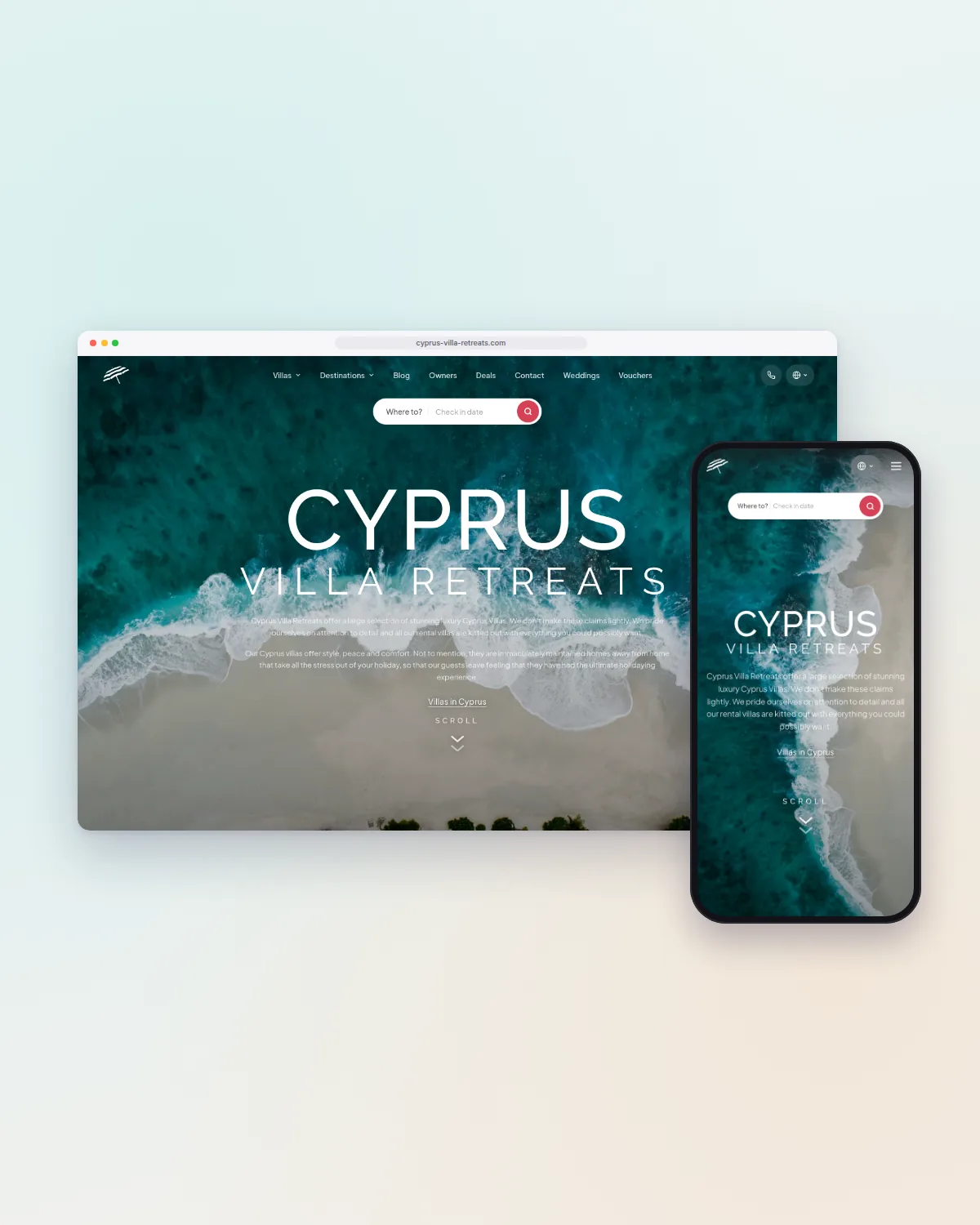
- Platform22staff, from 58Cyprus Villa Retreats, a villa rental operator based in Paphos with properties across Cyprus.Read the case study
- Accounting5,000invoices cleared in 4 daysA villa management company in Cyprus with hundreds of properties across the island and several companies in the group.Read the case study
- Accounting5,000invoices cleared in 4 daysA property management group in Cyprus with several companies, each with its own suppliers and its own VAT position.Read the case study
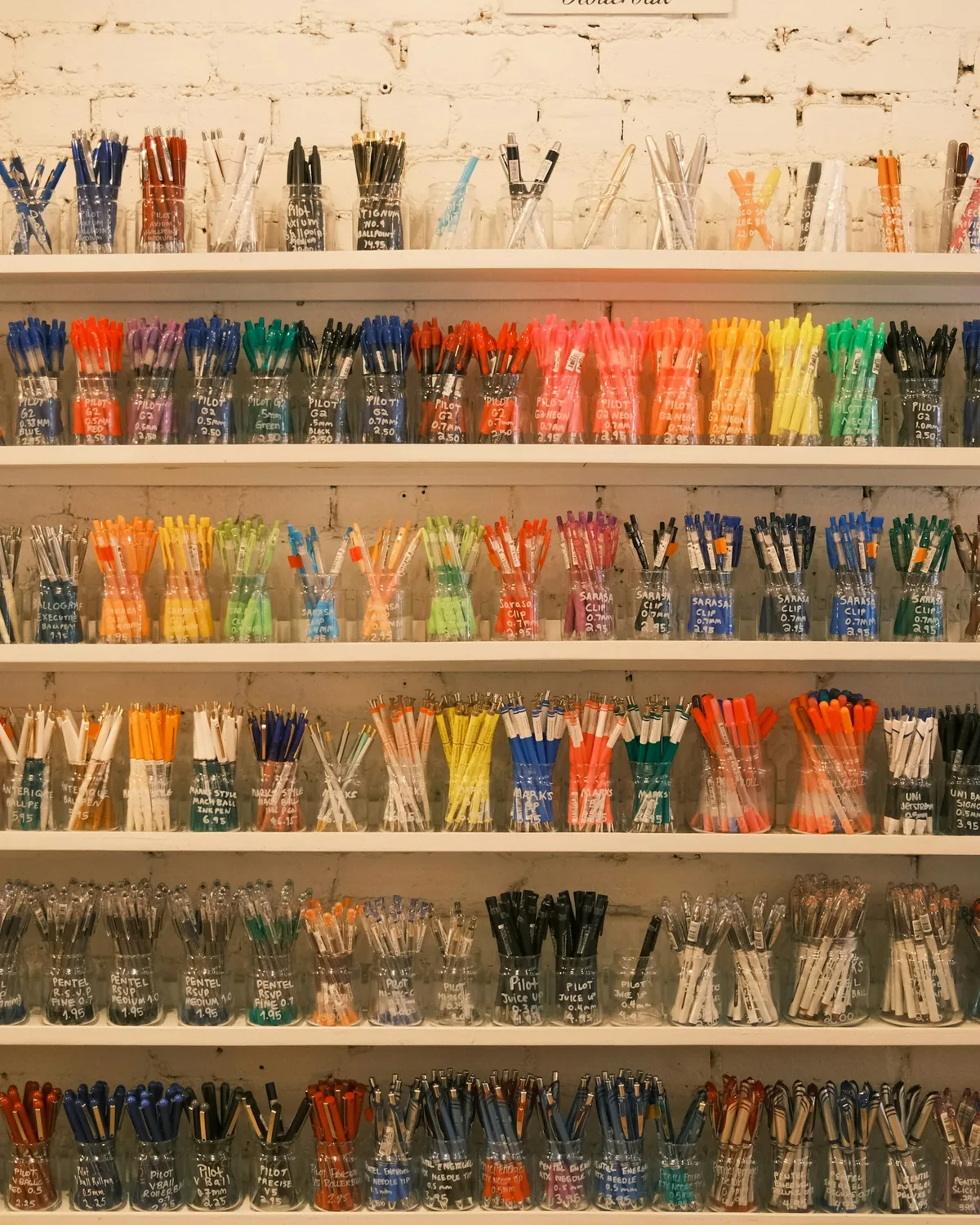
- RetailEUR 45kcash released from slow stockA stationery and office-supplies retailer in Cyprus, trading from two shops and a main warehouse on SAP Business One.Read the case study
- OperationsEUR 150k+saved a yearA villa management company with hundreds of properties in Cyprus.Read the case study
- Insurance5 minper policy check, from about an hourA commercial insurance broker in Manchester, authorised and regulated by the FCA, placing commercial combined and standalone liability cover for trade and industrial businesses across the North of England.Read the case study
- Distribution0order lines re-keyed into the ERPA wholesale distributor in Cyprus importing branded food, drink, toiletry and household lines from the United Kingdom and mainland Europe.Read the case study
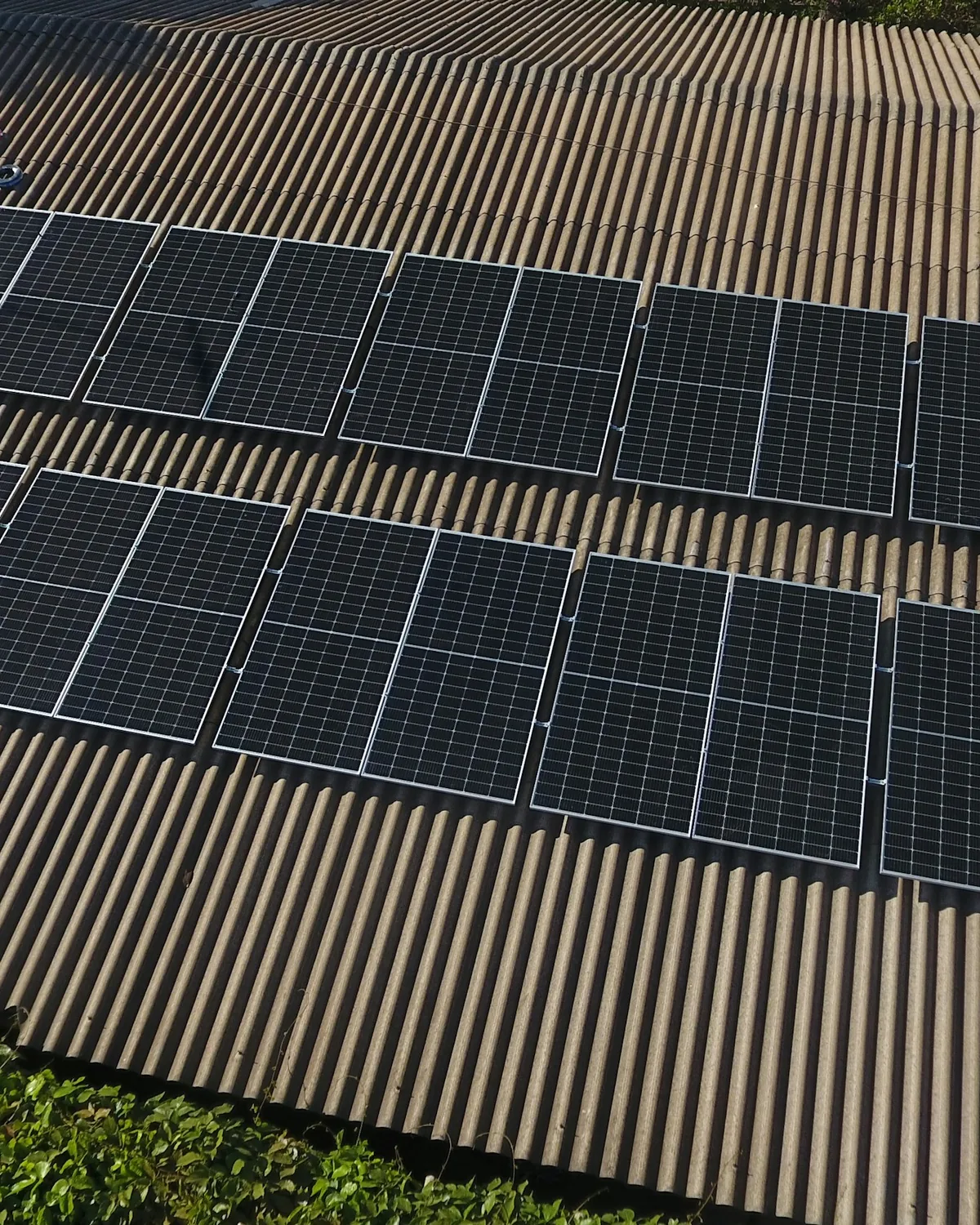
- Energy5xsystems installed a monthA photovoltaic installer in Cyprus, fitting rooftop systems for homes and small commercial buildings across the island.Read the case study
- Automotive8 secfrom auction lot to bid ceilingA used-car importer and dealer in Limassol, Cyprus, buying at auction in Japan and the UK.Read the case study
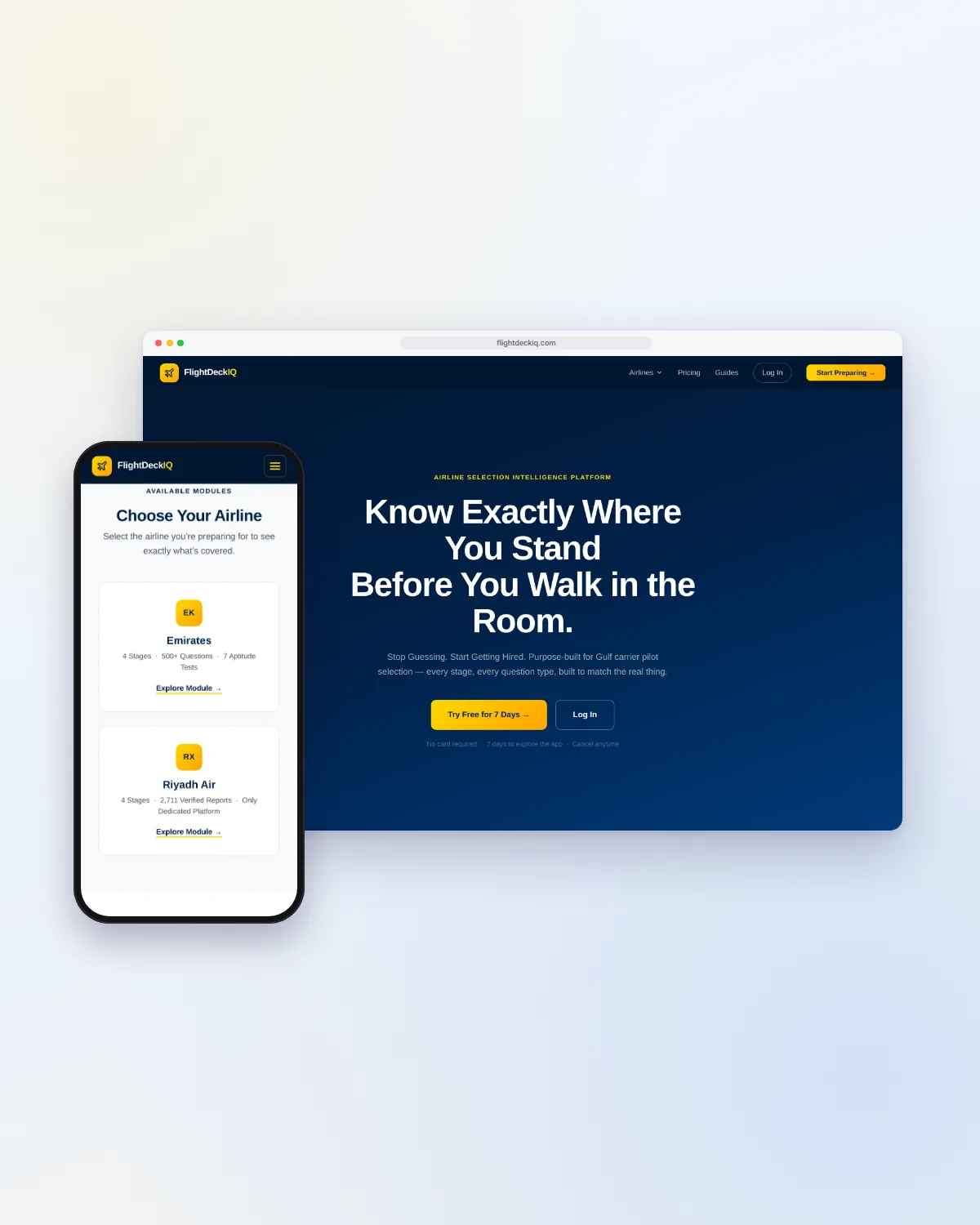
- Product500+practice questions in the first moduleFlight Deck IQ, ZingZee's own product for commercial pilots preparing for airline assessment days.Read the case study
What to expect at the end of a project
Three things follow once an engagement reaches its measured outcome.
- 01A named quoteOnce a project has run long enough to produce a result, ZingZee asks the client for a short quote attributed to their name and their company. A quote is only published where the client has agreed to be named alongside the project and the country it runs in.
- 02A figureAlongside the quote, ZingZee publishes the measure that mattered most on that engagement: response time, administrative load, conversion or cash released, whichever the client tracked from the strategic assessment onward. The figure that appears here matches the one in the project's case study.
- 03The client's agreementPublication depends on the client's agreement to the quote, the figure and the country the project is named against. Where that agreement is not given, the case study continues to carry the figures the client has already signed off, without a name attached.
How to read the case studies
Every case study should answer the same three checks before the figure is trusted.
A case study on this site names the client only where the client has agreed to be named. The villa operator that ZingZee's founders ran is described in full because the origin of the company is public. Other studies describe an insurance broker, a photovoltaic installer, a car importer or an aviation training company by sector, country and scale, because that agreement has not been given yet.
Each study carries the figure quoted on this page. A mismatch between the two would be an error to correct.
The case studies live at /case-studies/, one page for each project, and every one names the phase of delivery the figure came from: strategic assessment, AI roadmap, integration and deployment, adoption and enablement, or governance, optimisation and scale. Reading the phase shows a client what to expect at the same point in their own engagement.
A study that offers only an adjective, without a phase, a country or a figure attached, has not met ZingZee's standard for publishing, and none on the site currently does. Where a client requests a correction to a published figure, the study is updated to match.

Frequently asked questions
Straight answers about client feedback at ZingZee.
Request a consultation on your project.
Contact us