Auction bidding and inventory platform for a used-car importer in Cyprus
A used-car importer in Cyprus bought at auction in Japan and the UK on sums done by hand and ran the business from spreadsheets and chat. ZingZee built one platform that turns a lot into a bid ceiling in eight seconds and carries each car through inventory, pipeline, and CRM.
- Client
- A used-car importer and dealer in Limassol, Cyprus, buying at auction in Japan and the UK.
- Sector
- Automotive
- Headline result
- 8 sec from auction lot to bid ceiling

At a glance
One platform carries each car from the first auction listing to the handover.
A used-car importer and dealer in Limassol, Cyprus, trading for under a year at the start of the engagement and already selling in volume.
ZingZee was engaged to remove the arithmetic and the paperwork that stood between an auction listing and a sold car.
ZingZee built a single platform: deal watchers over the auction feeds, a landed-cost calculator that gives a bid ceiling in seconds, automated bidding on both routes, and an inventory, pipeline and CRM that hold every car from the bid to the handover and push the listings to the website.
Outcomes
Bid decisions from an evening of sums per sale day to a ceiling in under 8 seconds per lot, with the target margin already in it.
Auction bids from proxy bids sent by message to the agent before each sale to bids lodged automatically on the Japanese and UK routes.
Sales quotes from every discount waiting for the owner's approval to a final price quoted on the forecourt within his rules.
Each car's cost, documents and status from a spreadsheet, Word documents and WhatsApp threads to one record.
Buyer enquiries from an invitation to visit the showroom to a branded brochure sent by WhatsApp in under a minute.
Website listings from cars listed twice and delisted late to an inventory that updates the site automatically.
The challenge
The owner carried the whole calculation in his head and a spreadsheet, and the record of a car stopped once it was won.
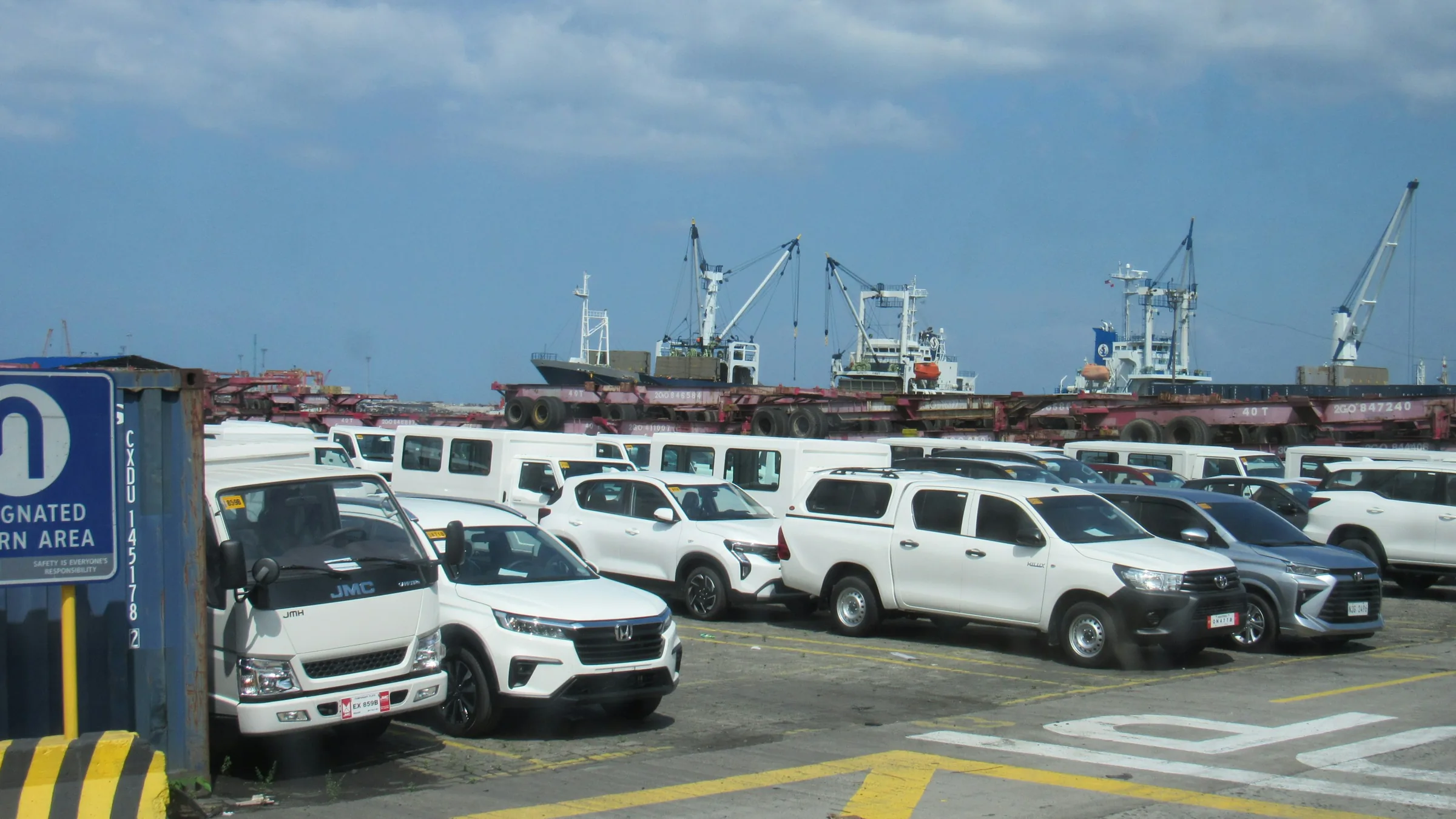
It buys mainly at auction in Japan through an export agent, and from the UK and mainland Europe when the numbers favour it, and sells retail from a showroom and wholesale to other dealers on the island. Its reputation rests on clean cars with verified mileage and no accident history, to the point where local mechanics and test stations send it customers. A sister company offers the finance.
The owner priced every candidate by hand, from a yen or sterling bid through fees, freight, duty, VAT and reconditioning to a Cyprus selling price and a margin he would accept, then lodged the bid with his agent before the sale closed. Stock, costs and customers lived in a spreadsheet, Word documents and WhatsApp, with a WordPress website linked to none of it.
Sourcing and bidding
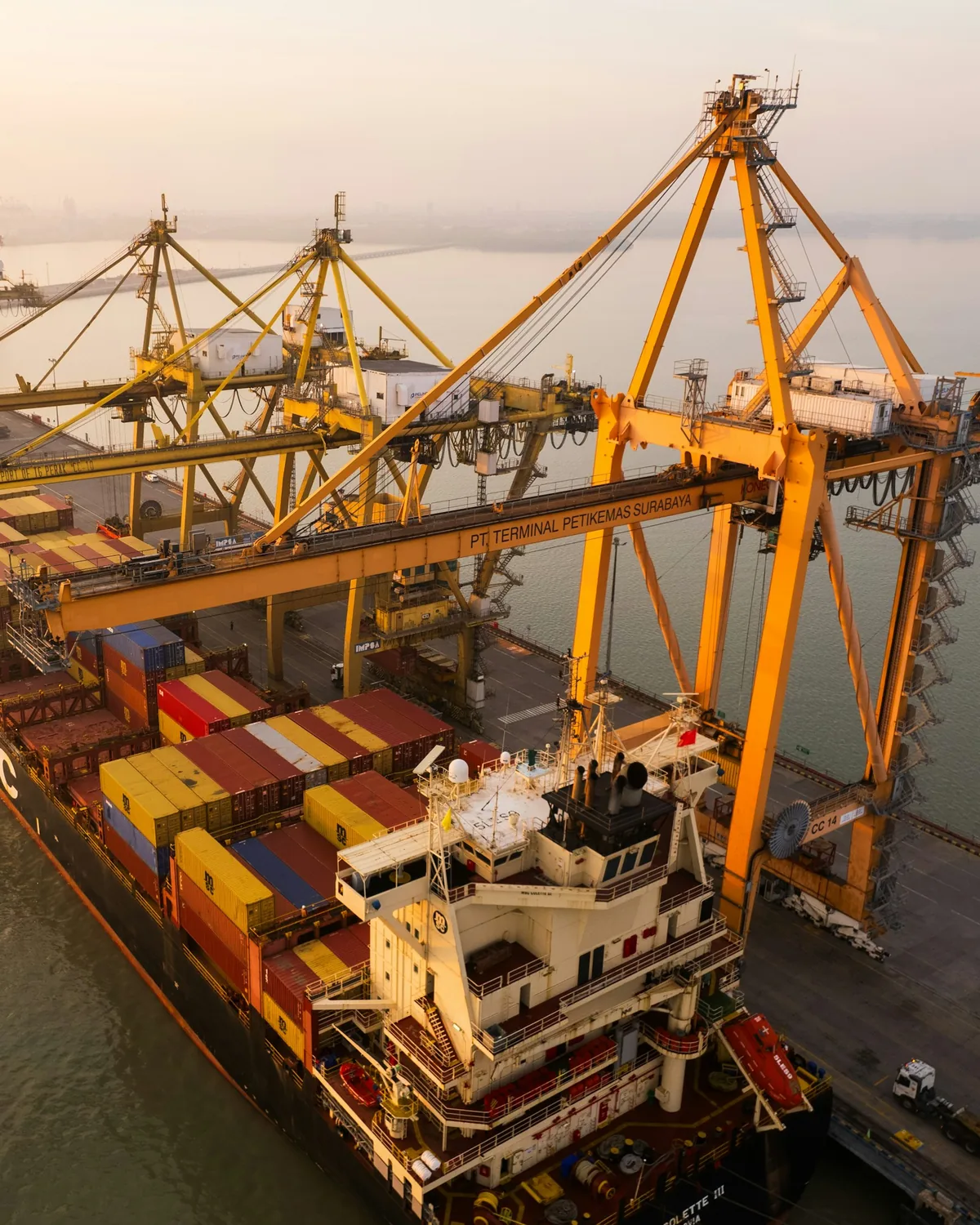
A car bought at a Japanese auction passes through the agent's fee, the auction house's fee, export paperwork, six to eight weeks of sea freight, marine insurance, Cyprus import duty and VAT, single vehicle approval, an MOT and registration, before a battery or a service is considered. The owner carried all of this in his head and a spreadsheet, worked through each sale list as it was published, and sent his bids to the agent before the sale, because bidding on the Japanese route is not live: the agent holds a ceiling for each lot and the dealer learns afterwards whether it was won.
Import duty on Japanese cars had fallen from ten percent to two percent and then to nothing inside a year as the trade agreement phased the tariff out, while the rules for European cars moved separately. Sea freight changed every month. The agent's fee was three percent on a standard purchase but four or five on a car over ten million yen bought on a deposit, so the same lot cost a different amount depending on how it was paid for.
The average price the auction platform quoted for a model was misleading, because buyers in Malaysia, Singapore and Malta bid for the same lots with higher home markets behind them. His real reference was the UK: the cost of bringing the same car in from a UK auction, and whether Japan could beat it by ten to fifteen thousand euros, enough to justify three months of capital at sea instead of two weeks. He checked the UK listings and the Cyprus market by hand every month, and the margin he wanted moved with the car: twenty percent gross on a twenty thousand euro car that would sell in weeks, forty percent on a large German SUV that would sit. None of it was written down anywhere a member of staff could use.
Stock, sales and paperwork
Once a car was won, its record stopped at the winning bid. The bid sat in the message thread with the agent, the invoice and the shipping documents arrived by email, and the costs after arrival were noted in the spreadsheet if someone remembered: the battery nine cars in ten needed after weeks on a ship, the tyres, a service that ran to a thousand euros on the heavier cars, and three to six hundred euros of approval, MOT and registration. The owner budgeted an allowance per car and learnt the real figure once the car was on the forecourt.
The spreadsheet was the stock list and it lived on the owner's laptop, out of reach of his phone. Staff asked him what was coming, because the cars still on the water existed nowhere they could see, and a five thousand euro deposit made a car reserved only if someone updated the row.
Selling was done by appointment, because there was nothing to send an enquirer beyond a screenshot of the website. The sales team could not close on price without the owner, since the floor for each car was his calculation, and the discount they could give, five hundred euros on a Japanese car and a thousand on a European one, had been passed on by word of mouth.
The website held the listings in a plugin, with VIN numbers and full specifications, but nothing else talked to it, so a car was entered twice and marked sold in two places or in one. The site ranked for its own name and three variations of it, had no visibility in AI answers, and carried too little text to rank for anything else, so leads came from paid social advertising and the owner could not see which spend produced which sale.
The cost of the old process
The sums in his head and the spreadsheet on his laptop carried a cost at the auction and on the forecourt.
At the auction
- 01
A sale day meant an evening of arithmetic across dozens of lots, and any lot he did not get to was a lot he did not bid on.
- 02
A duty or freight change that was missed left every bid that week priced against the wrong landed cost.
- 03
Bids were typed into a message to the agent, with no record of the ceiling, the sums behind it, or the result.
On the forecourt
- 01
Costs on a car were known in full only after it was sold, so the margin he bought against was never checked against the margin he made.
- 02
Stock on the water, in the port, in the workshop and on the forecourt could not be told apart without asking.
- 03
Every enquiry became a showroom visit or nothing, and a buyer who wanted a document to show a partner got a screenshot.
The owner sees the bid ceiling before each sale closes, and the sales team quotes a price without referring to him.

Bid decisions from an evening of sums per sale day to a ceiling in under 8 seconds per lot, with the target margin already in it.
The solution
ZingZee built one platform, run from a phone or a laptop, that holds the whole trade from the first auction listing to the handover.
The landed-cost calculator came first, because every other tool depends on a landed cost the owner trusts, then the inventory, the watchers and automated bidding, the pipeline and brochure, and last the connection to the website, which stayed on WordPress as a render target for the inventory and no longer holds a second list.
What we built
The deal watchers
For each model the dealer buys, the owner sets a watch with years, mileage cap, spec and the price he would pay. Watchers read the Japanese auction lists as they are published, the UK auction catalogues and the UK retail listings that set his reference price, and refresh the Cyprus market price for the same model. A lot that matches lands in the feed with its landed cost worked out and the UK-versus-Japan gap shown against it, so a lot the owner would have missed now reaches him with the number already on it.
The landed-cost calculator
A lot's price in yen or sterling goes in and a landed cost in euros comes out, through the agent fee at the rate for how the car will be paid for, the auction fee, this month's freight, insurance, duty at the rate in force for the source market, VAT, approval, MOT and registration, and the reconditioning allowance for that class of car. Every rate sits in a dated preferences table the owner edits himself, so a duty change or a freight rise is entered once and applies from that day. The target margin for the class of car is applied in reverse to give a bid ceiling, and the tool says buy or walk away in the time it takes to open the lot.
Automated bidding
On the Japanese route the platform lodges the ceiling with the agent for every lot the owner approves, before the sale's cut-off, and records the result when the sale closes. On the UK route it bids up to the ceiling on the auction platform and stops there. The ceiling is the calculator's number and nothing else, so a lot that sells above it is recorded in the feed and no car is bought above the ceiling.
Inventory
Every car is one record from the moment a bid is won, added from a screenshot of the auction listing, a pasted link, its VIN or by hand, carrying its photographs, specification, source and a status that moves from sourcing through in transit, in stock, reserved and sold. The owner opens the stock list on his phone, staff see the cars on the water without asking, and coming-soon cars stay off the public site until he says otherwise.
The cost ledger and live margin
Every euro spent on a car is logged against it with the invoice attached: the purchase, each landing cost, and after arrival the battery, the tyres, the service and the MOT. The margin at the listed price updates as each cost lands, so the owner sees what the car owes the business at any moment, and the allowance he budgeted by feel is checked against the real spend.
The sales pipeline and CRM
Enquiries from the website, WhatsApp, walk-ins and referrals become leads with a source, a car of interest and a salesperson, and move through viewing, test drive, negotiation, deposit and sale, with a deposit setting the car to reserved on the same tap. Each car carries a floor price derived from its cost and target margin, and the owner sets the discount each salesperson may give by class of car, so staff quote a final figure on the forecourt without calling him. Follow-ups are chased by the system, and sales by month, model, source and salesperson sit on the dashboard.
The brochure
From any car's record a salesperson generates a branded brochure with the photographs and full specification and sends it by WhatsApp or email in one tap. Cars still in Japan, and cars with poor auction photographs, get a clean exterior image on the dealer's showroom background, so the brochure and the listing look the same whether the car has landed or not. A buyer who was told to come in now has a document within a minute of asking.
The website
The inventory pushes listings to the WordPress site over its API, with the vehicle schema, titles and descriptions written by the platform, and a car marked sold comes down the same minute. Pages are served in Greek and English with Russian and Hebrew following, and the platform maintains the text and the FAQs that search and AI answers need. The dealer manages a car once, and the website, the brochure and the advertising all read from that record.
Access by role
The owner grants each person only the tools they need, so the sales team see stock, leads and brochures while costs stay hidden from anyone not granted them.
The platform runs on a managed database and a serverless frontend in the dealer's own name, with the watchers and the bidding as scheduled workers, so the dealer owns the system and pays only for what it uses.
What was hard
- 01
Auction data without an interface.
Neither auction route offers a feed to a buyer of the dealer's size: the Japanese lists are pages behind the agent's login, published on the morning of the sale with photographs and condition sheets loading through the day. We built the watchers to read the pages as a person would, with a parser for the condition sheet that extracts grade, mileage and the auctioneer's notes, and ran it against a month of past sales the owner had bid on until it matched his reading of every lot.
- 02
Rates that change under the calculation.
The first version of the calculator held a single set of rates, and with duty changing twice in a year and freight monthly it gave the owner a number he could not trust because he could not tell which rates were in it. The fix was to date every rate: each preference has an effective-from date, every calculation stores the version of the table it used, and a bid ceiling shows the rates behind it on one tap. When a rate changes, open watches are re-priced and the owner sees which lots moved across his ceiling.
- 03
Bid timing on the Japanese route.
Proxy bids must reach the agent before the sale's cut-off, and an early version sent them in a form the agent's office had to retype. We settled the format with the agent, moved the cut-off into the platform so a bid is lodged an hour before the sale closes whichever time zone the owner is in, and record the agent's confirmation against the lot, so a bid that did not arrive is visible before the sale closes.
How it was delivered
- 01
Discovery.
Discovery ran as two recorded meetings at the showroom, one on sourcing and costs and one on marketing and the website. The owner supplied his cost items and his rules, so the fixed-cost table was his from the first day and the calculator was checked against cars he had already bought.
- 02
Six sprints.
The build ran in six two-week sprints over three months from June 2026, with working tools in the owner's hands from the second sprint.
- 03
Data and training.
The stock came across by import with VIN lookups filling the specifications, and the sales team were trained on their phones on the forecourt.
- 04
Website and aftercare.
Website changes were staged and approved by the dealer's developer before going live. Aftercare is included with no retainer, and the dealer pays only its own running costs, in its own name.
The results
The dealer buys from the watchers' feed against a bid ceiling it trusts and sells from a phone.
Watches, landed costs, bids, listings, follow-ups and the monthly sales figures run without the owner assembling them.
What is next
The marketing tools built for the dealer's paid campaigns will read from the same inventory, so the cars with the best margin get the budget and a car that sells stops advertising the same day. Workshop job cards will feed the ledger, and the aged-stock view will flag cars over ninety days for a price decision. The watchers, the calculator and the bidding suit any importer buying at auction abroad and selling into a smaller market, and the platform can be set up for another dealer from the preferences table.