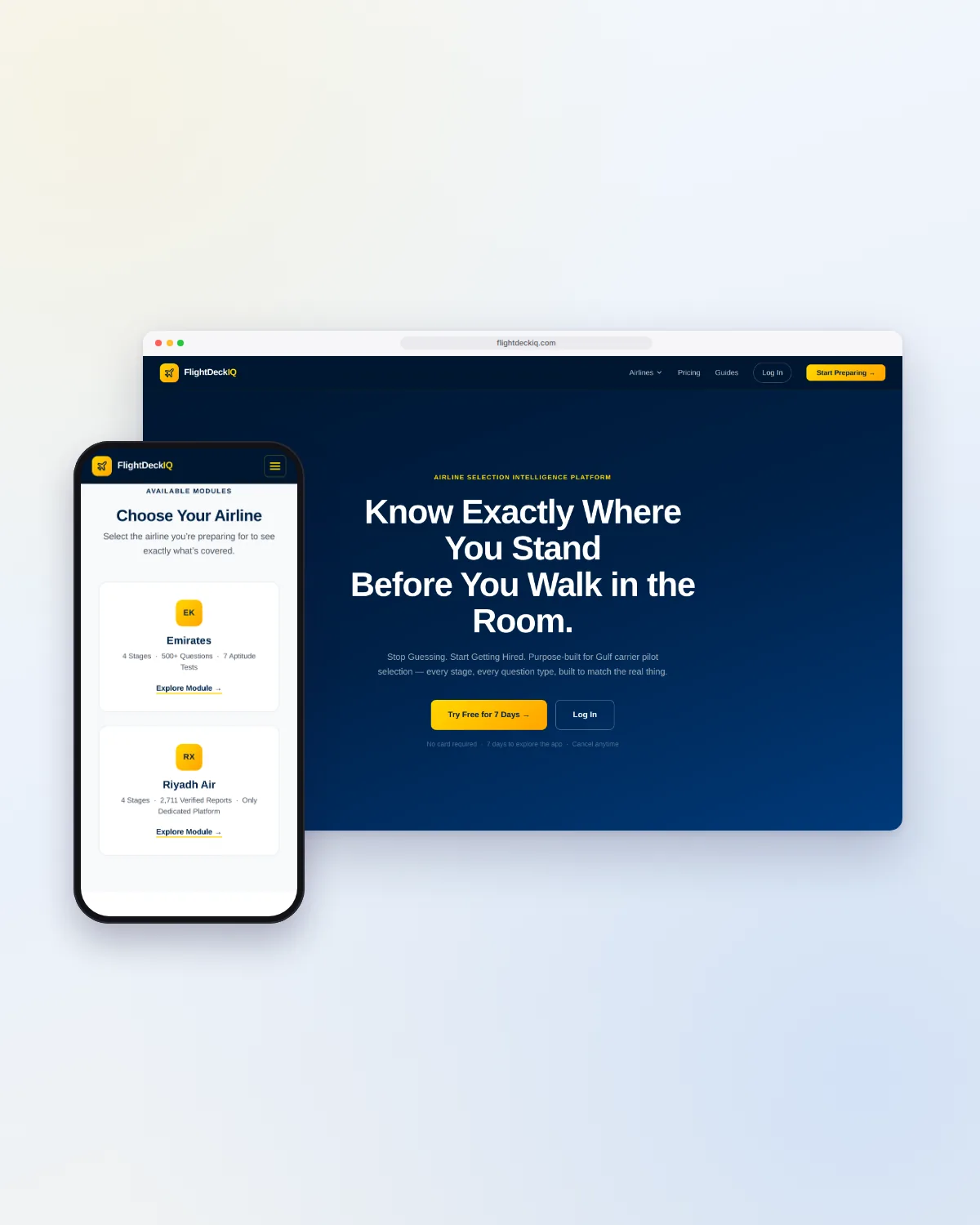
Custom booking and operations platform for Cyprus Villa Retreats
Cyprus Villa Retreats ran 70 villas with 58 staff and more than 30 software products. ZingZee studied the business, fixed onboarding first, and rebuilt the booking operation as one platform, which now runs over 450 villas with 22 staff.
- Client
- Cyprus Villa Retreats, a villa rental operator based in Paphos with properties across Cyprus.
- Sector
- Platform
- Headline result
- 22 staff, from 58
At a glance
One villa rental company moved its whole booking operation onto one platform in eight months.
Cyprus Villa Retreats, a villa rental operator based in Paphos with properties across Cyprus.
It runs two models under one brand: villas the company manages itself, and owner villas listed on the platform for a commission on each booking.
ZingZee was engaged to study the business, remove the constraint on growth and rebuild the booking platform as custom code with AI in the base.
A study by ZingZee's business analysts found that revenue was capped by the number of villas and that villa numbers were capped by the labour of onboarding, so onboarding was fixed first and the portfolio grew while the rest of the platform was still in build.
Within eight months the company had grown from 70 villas to more than 450 and reduced its staff from 58 to 22.
The platform went live on 16 July 2026 and replaced more than 30 software products the same day.
Outcomes
Villas on the platform up from 70 to more than 450 in eight months.
Staff down from 58 at peak to 22, running more than six times the villas.
Reservations agents down from nine to two.
Software spend down from more than EUR 250,000 a year to about EUR 2,400.
Instant online booking in five languages, with live prices and live availability.
Accounting, owner commission and payouts inside the platform.
The challenge
Growth was capped by the labour of administration while demand for villas went unmet.
Cyprus receives more than three and a half million tourists a year, the UK is the largest source market at around a third of arrivals, and the Paphos season runs for roughly eight months. A villa operator earns most of its year in twenty weeks, so every hour of administration in that window is an hour taken from selling. Every villa must also carry a registration number with the Deputy Ministry of Tourism before it can be let. On the commission side the owner keeps control of the property, approves each booking and expects a statement and a payout after every stay, so the operator runs two businesses at once: a direct-booking travel company facing guests, and an agency facing several hundred owners.
At the start of the engagement the company had about 70 villas and 58 staff at peak, and it sold to UK guests only.
Adding a villa
Onboarding one villa meant keying more than 400 fields (prices, features, rules and more) into the main villa database, then re-keying much of that by hand into Checkfront, Airbnb, VRBO, the pricing database and the website. Seven admin staff worked on onboarding, each villa took more than a day, and every one involved constant back and forth with the owner. The company could not add villas faster than seven people could type, and owners waiting to list drifted to other agencies.
Taking a booking
Bookings were handled the same way. The website showed no live availability, so guests could only request a booking. A reservations agent searched calendars by hand, found villas and went back to the guest, which took two or three people and two or three days per booking. A guest comparing prices on Booking.com does not wait two days for a quote, so a reservations team of nine spent much of its time on bookings that were then lost. The major platforms take 15 per cent or more out of each booking between host commission and guest fees, so every booking that could not be taken directly cost margin as well as time.
Calendars and prices
Availability lived in four places (the website, Checkfront, Airbnb and VRBO), and owners of commission villas kept calendars of their own for family use and for other agents. Double bookings and wrongly blocked dates were a constant risk, and each one cost a relocation or a refund, and sometimes the owner. Seasonal rates and deals were set in one place and typed into each channel, and prices drifted until nobody could say which was right. Repricing a shoulder month by hand across four channels for 70 villas was a week of work, so it happened rarely.
Owners and money
Commission villas needed the owner's approval on every booking. Agents chased by phone and email while the booking went cold. A villa booking is paid in stages, a deposit at booking, the balance six to eight weeks before arrival and a damage deposit before check-in, and each stage was a diary entry and an email written by a person, so money arrived late or not at all. Confirmations, receipts, check-in details, reminders and review requests were written one at a time by staff.
The consequences
The rest of the operation carried the same cost.
- 01
A booking lived in five systems, so answering a question about it meant opening all of them.
- 02
Month end was done in spreadsheets: bank transactions matched by hand, owner commission statements built one at a time, invoices raised manually, and an owner who queried a statement waited days for it to be rebuilt.
- 03
Operations ran from the booking inbox. Cleans and pool visits were scheduled by reading confirmations and phoning subcontractors, and a late change to a booking often did not reach the person holding the keys.
- 04
The website, Google Ads and SEO were English only, at a time when the UK economy was soft and bookings were falling, and there was no way to reach the German and Scandinavian guests already arriving in Paphos through the platforms.
- 05
Out of hours, a guest locked out or without hot water reached a voicemail, and the complaint arrived the next morning as a compensation claim.
The combined cost
- 01
More than 30 software products, including Airtable, Front, Slack, Checkfront, Aircall and Twilio, at a cost of more than EUR 250,000 a year, and none of them talked to the rest.
- 02
Staffing ran at 0.8 people per villa.
- 03
Profit was poor as a result of both.
ZingZee continues to run the platform for Cyprus Villa Retreats and to extend it on the same live data.
Villas on the platform up from 70 to more than 450 in eight months.
The solution
The engagement began with a study of the business before any code was written.
Business analysts sat inside the company to establish which constraint to remove first. Revenue was limited by the number of villas, and the number of villas was limited by onboarding, so onboarding went first. Once villa numbers were growing, we rebuilt the whole booking platform as custom code with AI in the base, so that staff overhead, the largest cost in the business, could come down with it. Every capability below reads the same villa record and the same ledger.
What we built
Outreach and onboarding
An outreach tool finds villas already listed on the major platforms and contacts the owner with a listing offer automatically. Owners who accept go through a guided onboarding that collects the 400 fields once, with the owner entering their own details and the registration number checked before the villa goes live. One villa record now feeds the website, the pricing engine and every channel. Within eight months of solving onboarding the company had gone from 70 villas to more than 450, and the seven-person onboarding team was no longer needed.
Live search and instant booking
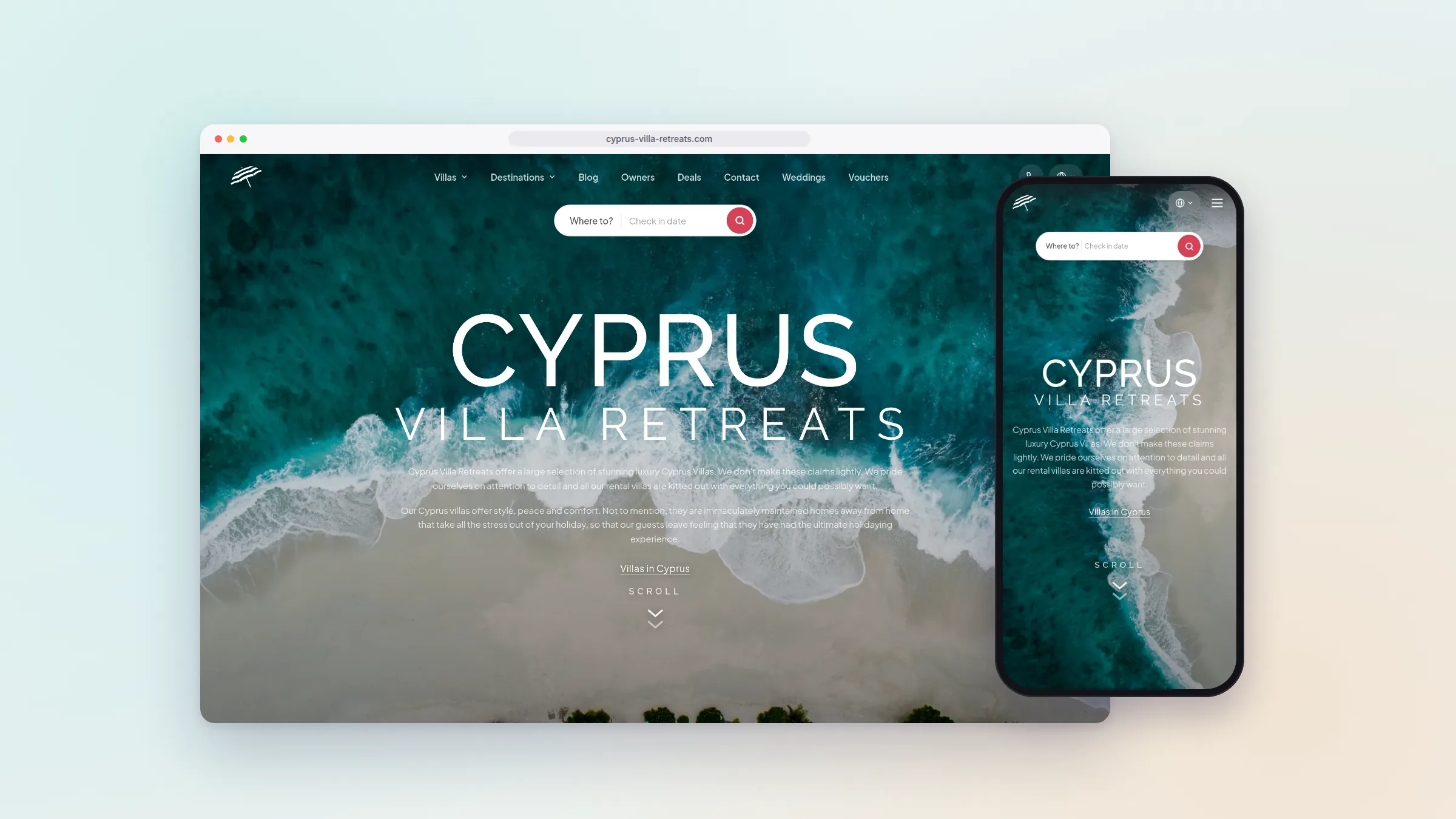
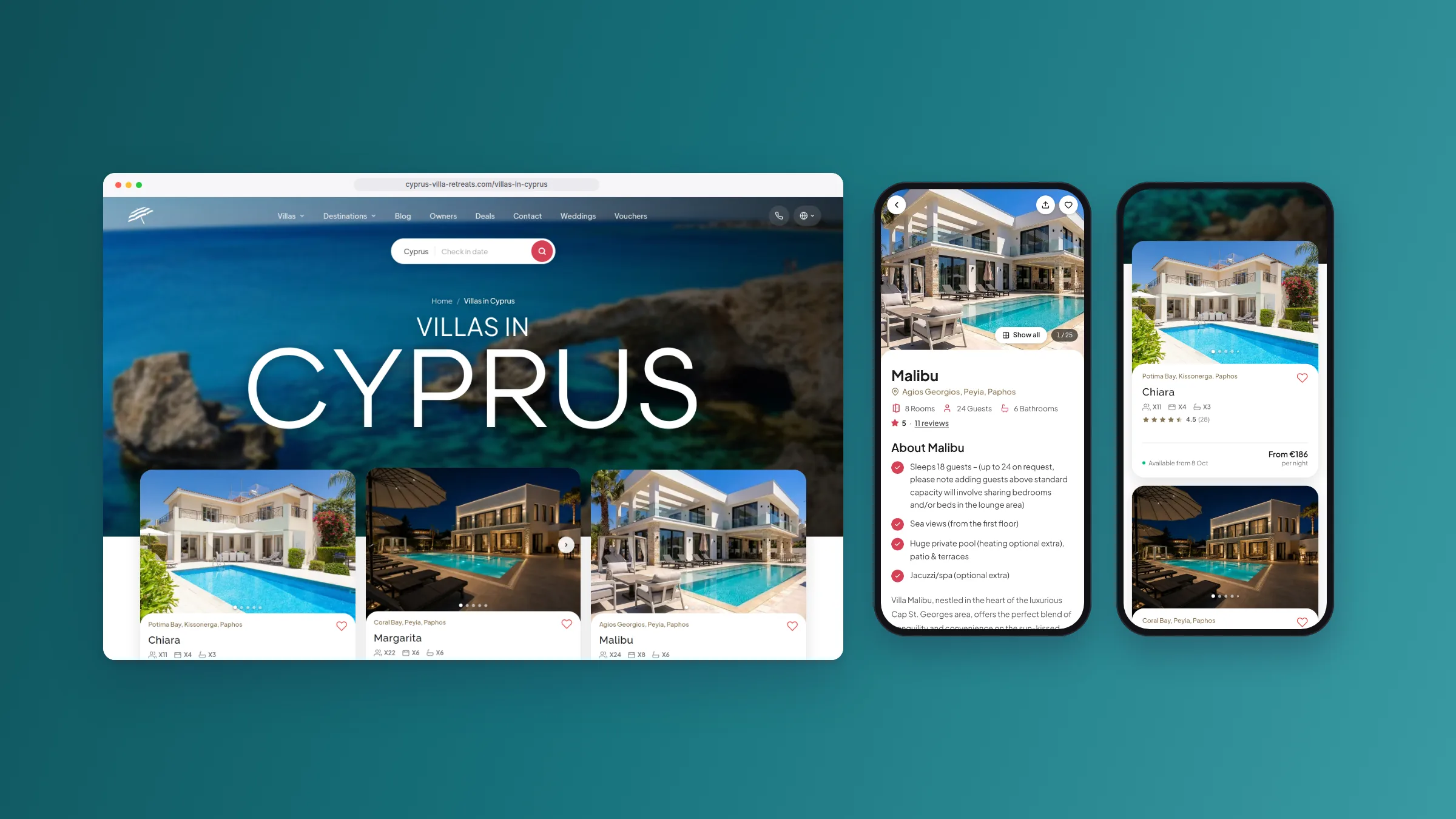
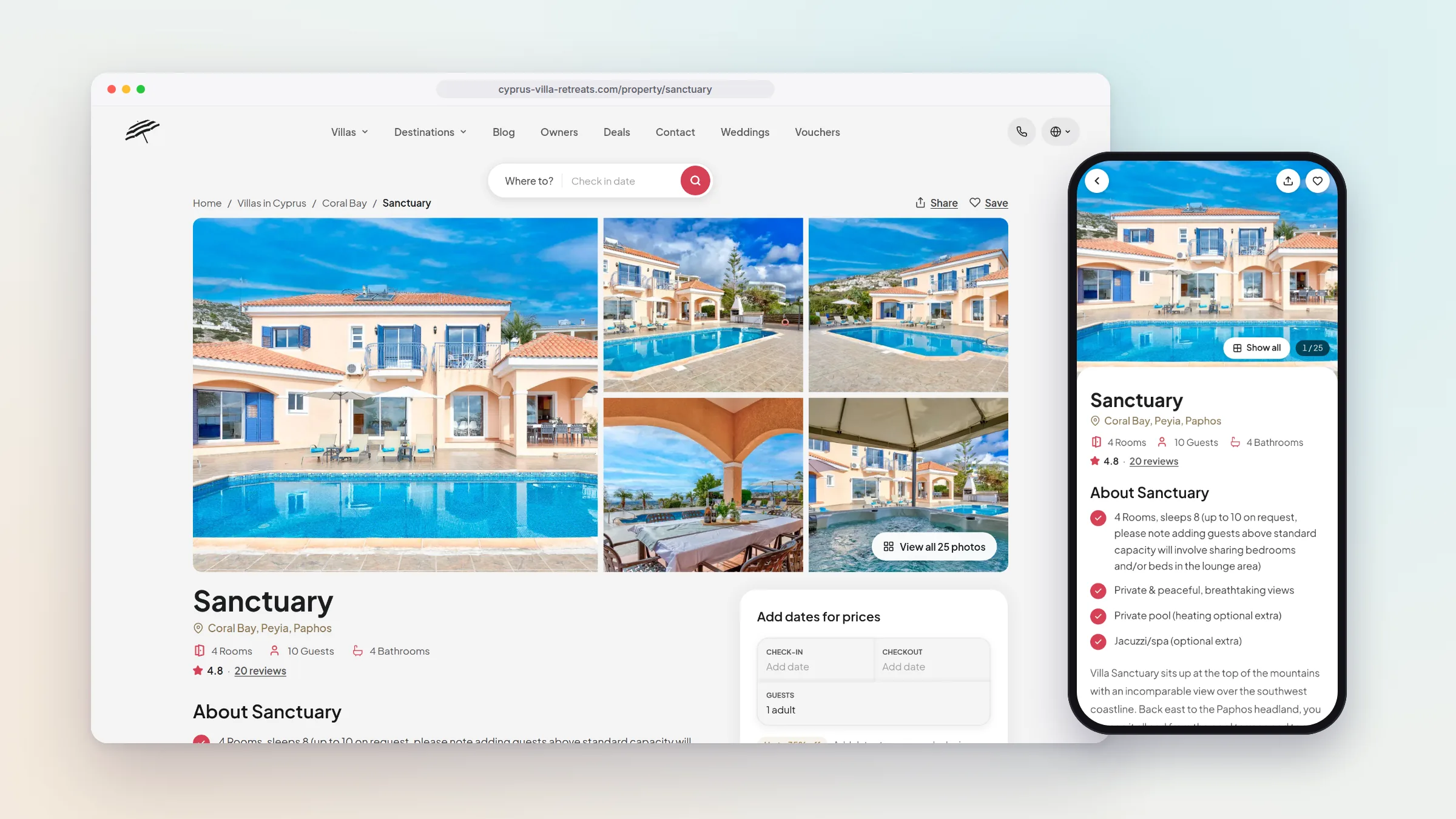
Guests search by dates and area, see live prices and live calendars, and book instantly with a card hold or a bank transfer. Direct bookings are created without an agent, and a quote that took two or three days is now returned the moment the guest searches.
One calendar per villa
Each villa has a single availability record. Owner and platform calendars sync in, blocks sync out to every channel, and a cancelled or voided booking releases its dates the moment the status changes. Double bookings are designed out, and staff stopped checking four calendars before confirming a stay.
A nightly pricing engine
Seasons, deals, gap discounts and overrides produce a price for every night of every villa, with 97,326 nightly prices live today. Deals apply night by night, so a stay that straddles a promotion pays the deal rate on the nights it covers and the season rate on the rest. A rate is set once and every night and every channel update, so a shoulder month is repriced in an afternoon rather than a week.
Automated owner approvals
On commission villas the request, the booking PDF and a one-click accept or decline go to the owner automatically, with a chase at 24, 48 and 72 hours. Staff step in only when an owner goes quiet, and the guest sees the booking confirmed from their phone rather than after a round of calls.
Payment collection
The platform takes card payment with pre-authorisation holds and bank transfer with automatic reminders, runs deposit and balance schedules, and places damage deposit holds before arrival, all through Revolut. It requests each stage on its date, records what arrives and chases what does not, so nobody keeps a diary of balances due.
The guest journey
Confirmation, receipts and invoices, balance reminders, abandoned-booking recovery, check-in details and the review request are all sent by the platform, in the guest's language. Guest chat runs on the same booking record, so a question about parking reaches whoever is on shift with the booking already open.
Staff and manager apps
A booking tool shows every booking, payment, document and status change on one screen, and a manager app handles tasks and checklists. Cleans and add-on jobs such as heated pools are generated from the booking automatically and assigned against subcontractor availability, so a change to a booking reaches the cleaner without a phone call.
Owner portal and statements
Owners of commission villas log in to see their bookings, their calendar and a statement for every stay, built from the live ledger, so a question about a payout is answered by the portal rather than by a spreadsheet rebuilt by hand.
Commission engine and payouts
Commission reports generate themselves when a booking is money-backed, the finance team reviews and releases each payout, and the owner's invoice is raised automatically when the payout is paid. Owner payouts went from a month-end build to a daily queue that one person checks.
Accounting inside the platform
The platform is the book of record: the bank feed is matched automatically, every figure traces to a booking or a receipt, and invoices are raised by the platform. Month end is now a check of figures the platform has already posted.
Five languages and daily SEO
The site runs in English, German, Greek, Polish and Swedish, with landing pages for each area the company sells, an SEO system that runs daily, and ads in every country. Bookings now arrive from markets the company had never sold to.
An AI voice agent
Guest calls on a UK number are answered out of hours, the caller is verified against the booking before any detail is given, and real emergencies are handed to a human. A guest locked out at midnight is talked through the key safe by the agent.
The platform runs on a dedicated cloud server in Germany with no low-code tools in the path. It cut over on 16 July 2026 and the old systems were switched off the same day.
What was hard
Three problems took more of the build than anything else.
- 01
Migration of the booking history from three systems.
The booking history lived in three places that disagreed: the booking database, the pricing base and the channel tool, each holding its own version of a stay's dates, price and payment state. A migration that picked one source would have carried its errors into the new ledger. We took every field through a ruling with the company, more than 250 of them, on which system was right for which field and what to do when they conflicted. Every imported row keeps its original record alongside the mapped one, so any figure can be traced back to what the old system said. The importer ran in dry-run mode until the totals reconciled, then the old systems stayed master for another ten days with a 15-minute delta sync. The migrated books reconcile to the cent, and the finance team has never had to reopen the old systems to answer a question.
- 02
Card holds that expire at the issuing bank.
A damage deposit is held on the guest's card rather than charged. The hold is requested at online check-in, often weeks before arrival, and a card hold expires at the issuing bank after a fixed window, seven days for most cards, without any message from the payment provider. For a period the platform recorded holds as in place that the bank had already released. We built a provider-truth wall at the point where a hold is recorded, so the platform re-reads the provider before it marks anything as held, and a sweep every six hours that checks every open hold against the provider, corrects the record and alerts the reservations team when a hold has lapsed, with an audit entry for every correction. The books now say only what the provider says, and a lapsed hold surfaces the same day rather than on the day of a claim.
- 03
Availability arriving from several calendars for one villa.
Availability for a villa arrives from several directions: the platform's own bookings, the owner's calendar feed, the feeds from the major platforms, staff blocks for maintenance and owner stays. Reading all of them at search time was slow, and during the parallel run the old site's feeds carried the same stays as the new bookings, so a naive count blocked a villa twice. We made one blocks table the only thing any availability reader consumes. Bookings write a block on every status change that occupies or releases the villa, feeds are polled into the same table, and during the parallel run the readers counted platform bookings and feed blocks in separate buckets and took the larger. Availability on the public site is now one query, a voided booking frees its dates instantly, and the company has not had a double booking since cutover.
How it was delivered
- The studyThe study set the order of the build. Our analysts worked inside the company for the first weeks and wrote down what each person actually did with each system. Onboarding came first because it capped revenue, then the booking engine, then payments and owner approvals, then operations and accounting.
- The parallel runThe old stack stayed live throughout. Each part of the platform was built alongside the system it replaced, with a delta sync keeping the new database current, and staff moved onto each part as it was ready rather than on one day. Pricing moved with the old base kept as master and the new engine reconciled against it nightly until the figures matched on every villa.
- 16 July 2026The cutover was the final step: a written runbook, rehearsed beforehand, and about 25 minutes between the decision and the public site serving from the new platform, with the old systems frozen behind it. Staff had been trained on the live platform with the migrated data, so the day of the switch changed the address and nothing else.
- Since go-liveEvery change to a booking, a payment or a villa is written to an audit trail. Our team continues to run the platform, and additions since go-live have shipped without downtime.
The results
Cyprus Villa Retreats runs more than 450 villa rental properties on one platform, with 22 staff.
One codebase then replaced every system in the booking operation: search, pricing, booking, payment, owner approval, guest communication, operations tasks, owner statements, commission and accounting.
What's next
Forecasting and cashflow will be added to the accounting system on the same live data. Adding a language and a campaign is now a repeatable job, so further markets will follow. The platform was built to run more than one brand, and the same code can run another operator.