On-Premises Infrastructure Services
A server in the building, when the numbers say so
ZingZee provides on-premises infrastructure services for companies whose workload, data rules, or connectivity make a machine on their own premises, or on ZingZee's own GPU hardware in Cyprus, the right answer. Each system is specified on measured load, installed and hardened to a written baseline, and run through the five-phase framework with the same monitoring and backup discipline as a cloud deployment.
What on-premises infrastructure services cover
On-premises infrastructure services are the specification, purchase, installation, hardening, and operation of servers that a business owns and keeps in its own building, or that run on hardware a supplier owns in the same country.
ZingZee's on-premises infrastructure services cover both: a machine in the client's server room or comms cabinet, and a workload on ZingZee's own GPU hardware in Cyprus, where the company runs private language models for clients whose prompts and documents may not leave a named jurisdiction. The public cloud is the default answer in most sales conversations, and for a variable workload it is often the right one; for a steady load, a sensitive data set, or a site that must keep working through an internet failure, a box in the office remains the cheaper and safer choice. ZingZee prices the two side by side on the client's measured load and writes the recommendation down with its reasoning, and where the hardware wins, specifies it, installs it, and runs it under the same runbook a cloud estate would have.
On-premises infrastructure services ZingZee provides

Hardware assessment and specification
ZingZee measures the workload's compute, memory, storage, and network needs over a normal and a peak month, states the data-residency and connectivity rules, and specifies the server, the storage, the power protection, and the network changes. The specification is priced against the cloud over five years and written down with the reasoning.
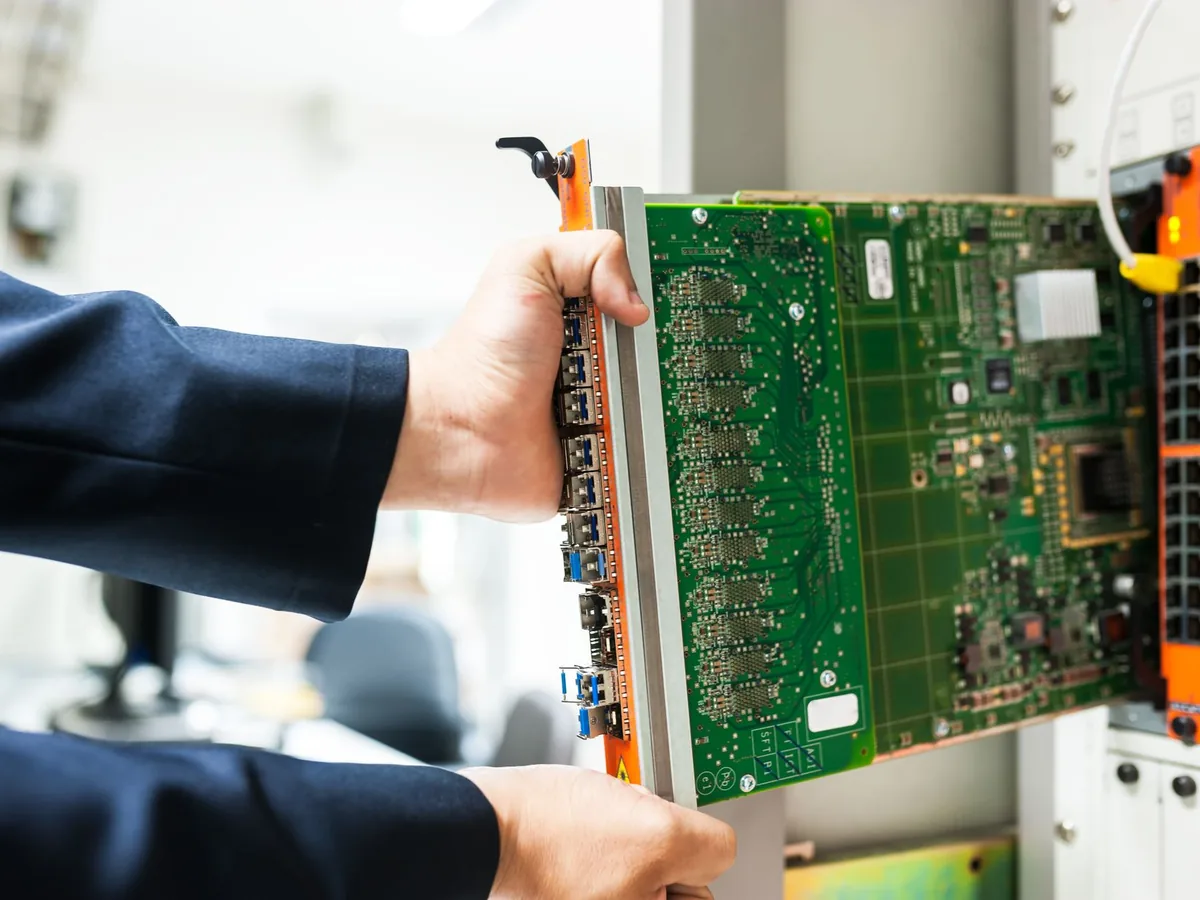
Server installation and hardening
ZingZee installs the operating system and the platform software and hardens the machine to a written baseline: key-only access, a host firewall, encrypted disks, and every service bound to the server itself. Monitoring and backup are commissioned before the first workload lands, and an independent review of the baseline is arranged where the client requires it.
Private AI on ZingZee's own GPU hardware
For companies that want a private language model without buying a GPU server, ZingZee runs the model, the document index, and the assistant application on its own GPU hardware in Cyprus, behind the client's own login. No prompt or document is sent to a public AI vendor, and the same stack installs on the client's machine when the volume justifies it.
Hybrid design with a cloud copy
ZingZee designs the on-premises system with a cloud counterpart where it earns its place: encrypted off-site backup, a reporting copy for owners who work away from the building, or a failover that takes over if the site loses power. The two are kept in step by a sync whose lag is measured and reported.
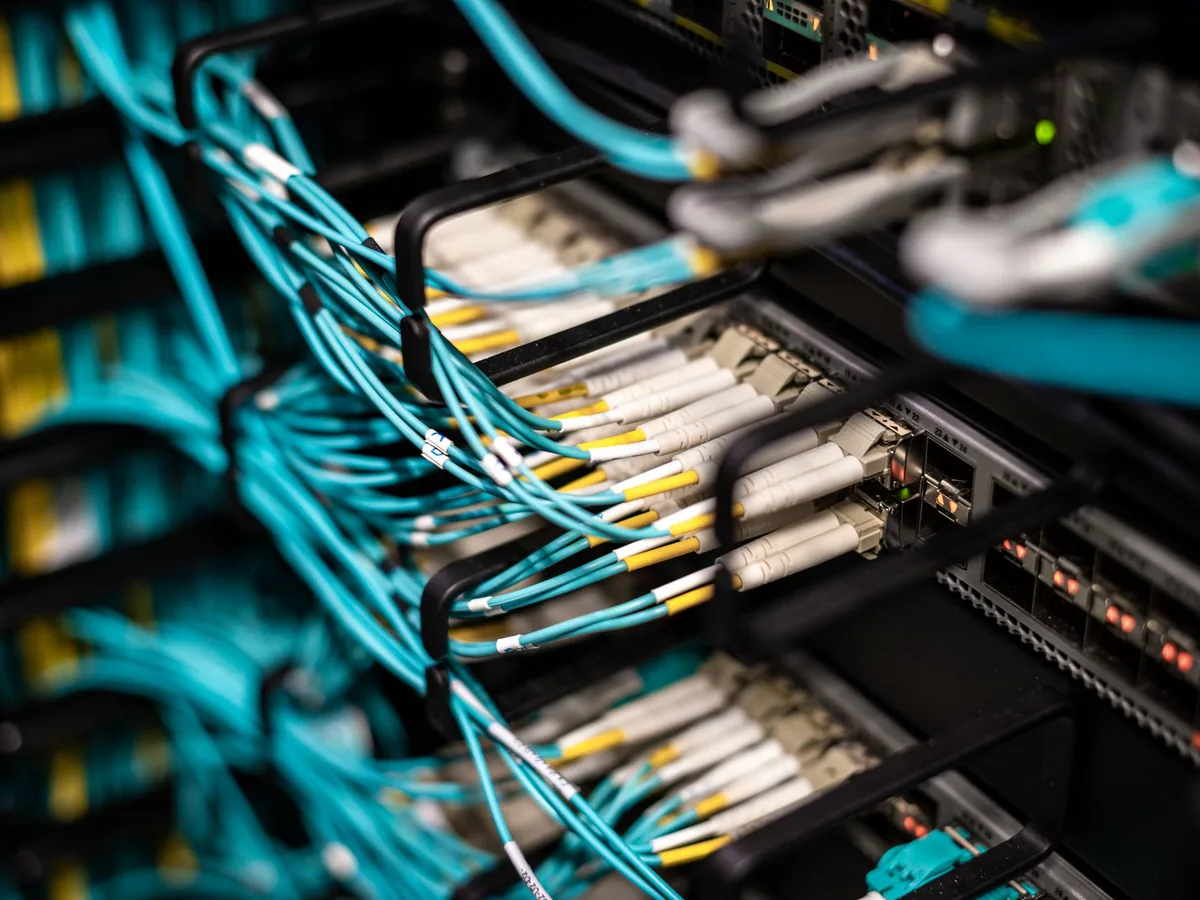
Managed operations for owned hardware
A named engineer patches the server on a schedule, tests the backups by restore, watches disk health, temperature, and load, and responds to incidents under a written runbook, with a monthly report on availability and capacity. Remote access is by a key the client can revoke, and site visits are agreed in advance.
When on-premises infrastructure is
the right choice.
When on-premises infrastructure is the right choice
Owned hardware is the right choice when a workload runs at a steady level all year, because a server bought once and run for five years costs a fraction of the equivalent metered cloud capacity. It is the right choice when a contract, a regulator, or a client's security team requires the data to stay in a named building or country, and when a warehouse, factory, clinic, or shop must keep working through an internet outage. A language model that answers thousands of questions a day has the same case, because the per-token cost of a public AI service overtakes a GPU server within months. It suits a business whose existing systems, such as an ERP or a SAP installation, already run on premises and need a companion system beside them on the same network. The strategic assessment measures the load, states the data rules, and prices the hardware, its power, and its support against the cloud before anything is ordered.
When on-premises infrastructure is the wrong choice
Owned hardware is the wrong choice when demand moves through the day or the year and the machine would sit idle for most of it. It is the wrong choice when the business has no secure, cooled, powered space to keep a server, and when nobody on site can be trusted with physical access. A product sold in several countries that must respond quickly in each is a poor fit, as is a small team that wants nothing to maintain, and a company that expects to double in size within two years and would outgrow the box before it is paid off. It is also the wrong answer where the real problem is the application and a new server would carry the same faults faster. In these cases ZingZee proposes a public cloud or a dedicated server in a European data centre and shows the cost comparison; the assessment states which case applies before a quote is prepared.
Use cases



Keep the warehouse picking when the internet goes down
A warehouse or shop system runs on a server on the premises, so pick lists, stock moves, and tills keep working through a connection failure, with the cloud copy catching up and the lag reported once the line returns.
Run a private AI assistant at a fixed monthly cost
A company answering thousands of staff or customer questions a day serves its language model on ZingZee's GPU hardware in Cyprus or on its own machine, so the cost is the same on a busy day as on a quiet one and no document leaves the company's control.
Keep client records inside the building a contract names
A law firm, clinic, or broker whose engagement terms keep files on premises holds them on an encrypted server in its own office, with access by role, a log of every read, and an encrypted off-site backup that the contract permits.
Put a modern system beside an ERP that will not move
A distributor or manufacturer whose ERP runs on its own network gains a new platform on a server alongside it, connected over the local network with the existing servers left as they were, and built so it can move to cloud hosting without a rebuild if the hardware becomes the limit.
Replace a five-figure annual cloud bill with a server paid off in a year
A steady workload that has run on metered cloud compute is priced on a specified server over five years, including power, support, and a spare, and moved once the comparison is signed, with the saving reported against the previous invoices.
A server in the building, when the numbers say so
Industries where ZingZee runs systems on owned hardware
ZingZee has installed a distributor's ordering platform on a new Linux server inside the company's own network, beside servers that were beyond vendor support and could not be touched, built so it can be lifted to cloud hosting without a rebuild; runs private AI assistants for insurance and professional services clients on its own GPU hardware in Cyprus with key-only access and no training on client data; and operates a retailer's SAP mirror on a hardened server through a read-only user over an encrypted connection, audited by an independent reviewer before the client was given a login. The same approach is offered to manufacturers, clinics, law firms, logistics operators, and hospitality groups whose sites, data, or costs favour a machine they own.
On-premises engagement scope
Deliverables
A specified, installed, and hardened server in the client's building, or a workload running on ZingZee's GPU hardware in Cyprus, with the platform deployed, monitored, and backed up, a five-year cost comparison on file, and an operations runbook, in daily use by the end of the engagement.
Deliverables
A specified, installed, and hardened server in the client's building, or a workload running on ZingZee's GPU hardware in Cyprus, with the platform deployed, monitored, and backed up, a five-year cost comparison on file, and an operations runbook, in daily use by the end of the engagement.
Included as standard
Load measurement, the hardware specification and cost comparison, installation and hardening to the written baseline, encrypted disks, key-only access, monitoring with alerts to a named engineer, encrypted off-site backup with a tested restore, and a recorded handover.
Hardware and site access
The client provides a secure, powered, and cooled location with a network connection, and physical access on agreed dates for installation and maintenance. Hardware is purchased in the client's name from a supplier of the client's choice; ZingZee specifies it and can procure it on request.
Priced separately
The hardware itself, a spare or a second machine for failover, structured cabling or network changes beyond the server's own port, an independent security review, application changes, data migration from an existing system, and managed operations after handover are quoted as their own items.
What the client provides
A description of the workload and its peaks, the data-residency and contractual rules that apply, the location and its power and network details, a person with authority over physical access, credentials for the systems the server must reach, and a person who approves each release.
Outside the engagement
Electricity, internet connectivity, physical security of the room, insurance of the hardware, hardware warranty claims, and software licences are the client's to hold; ZingZee specifies each, confirms it is in place before go-live, and reports capacity and health each month under managed operations.
On-premises tooling
ZingZee uses one set of tools on every server it installs, in a client's building or in its own facility, so a client who reads about one machine can expect the same on the next. The tooling covers:
- Rack or tower servers from mainstream vendors, specified with a spare for parts that fail first
- Linux hardened to a written baseline: key-only access, host firewall, encrypted disks, services bound to the host
- Containers and a deployment pipeline so the platform on the box is the same as on any cloud host
- Postgres for the platform's data, with the same backup and restore discipline as a managed service
- GPU inference servers running open-weight language models behind the client's own login
- Remote monitoring of load, disk health, temperature, and backups, with alerts to a named engineer
How an on-premises engagement with ZingZee runs
An on-premises engagement with ZingZee runs through the five-phase delivery framework. The strategic assessment measures the workload, states the data and connectivity rules, surveys the site's power, cooling, and network, and prices owned hardware against the cloud over five years. The AI roadmap fixes the specification, the hybrid design if any, the order of work, and the operations model, with the decision written down. Integration and deployment procures or receives the hardware, installs and hardens it to the baseline, deploys the platform, connects it to the systems on the local network, commissions monitoring and backup, and where a system is moving, rehearses the cutover on a copy. Adoption and enablement trains the client's staff on the system and the client's IT contact on the runbook, the physical procedures, and the escalation path. Governance, optimisation and scale runs the monthly service: patching, backup results, disk and hardware health, capacity against the plan, and the point at which a larger machine or a cloud move would be justified. Each phase opens with a scoping workshop and closes with a hardening workshop, where the server is tested against the baseline and the recovery checklist, and a delivery workshop, where the client signs off the release.
Strategic assessment
We assess how the business operates today: its processes, its data and the systems it runs on. From that we identify the use cases with the highest return and confirm the organisation is ready to adopt them, so the programme starts from a defined baseline.
AI roadmap
Findings become a phased roadmap that balances early wins with the longer build. ZingZee sets the milestones, the resourcing and the governance that keep delivery on schedule and aligned to business objectives.
Integration and deployment
Our engineers develop, validate and deploy the solution into your production environment, integrated with the enterprise systems you already run and sized for the workloads it will carry.
Adoption and enablement
Enablement programmes prepare business users and technical teams to work with the new capability, and structured change management ensures the organisation captures the full value of what has been deployed.
Governance, optimisation and scale
Ongoing governance, monitoring and optimisation keep the solution accurate, compliant and performing. Proven solutions are then scaled across departments and regions under the same data governance standards.
On-premises engineering practices
Every server ZingZee installs is built from the same hardening baseline: key-only access, a host firewall with the minimum ports open, encrypted disks, services bound to the machine itself, and no shared accounts. The platform runs in containers deployed through a pipeline, so the software on the box is identical to what would run on a cloud host and can move there without a rebuild. Backups are encrypted, sent off-site, and restored on a schedule so the recovery time is a measurement. Disk health, temperature, load, and capacity are monitored remotely, and a spare for the parts that fail first is held on site. Patches are applied in an agreed window with a rollback beside each step, and where the client requires it, an independent reviewer audits the server and the data path before the first login is issued.
Cost and time for owned hardware
The cost of an on-premises engagement depends on the size of the workload, the specification of the hardware, the state of the site's power and network, and the data and security rules that apply. A hybrid cloud copy and a migration of an existing system onto the machine add to the scope where they are needed. A hardware assessment with a five-year cost comparison is a matter of weeks. Specifying, installing, and hardening a single server and deploying a platform on it takes weeks to a couple of months, with supplier lead times the largest variable. A private AI workload on ZingZee's GPU hardware in Cyprus needs no purchase and is priced as a monthly service. ZingZee provides a written estimate after the strategic assessment and phases the budget to the client's priorities.
What happens next?
You send a description of the workload, the rules on where the data may sit, and the site where a server would live.
An engineer reads it and replies within two working days with the shape of a hardware assessment and the alternative of running the workload on ZingZee's own hardware in Cyprus.
You sign a non-disclosure agreement if you need one, and you receive a proposal with the phases, the estimate, and the team.
Get a free infrastructure consultation
Send a description of the workload, the rules on where the data may sit, and the site. An engineer replies with the shape of a hardware assessment and a five-year cost comparison against the cloud.
Or call +357 26 022564
Your details are used to respond to this enquiry, as our privacy policy explains. Privacy policy
Frequently asked questions
Straight answers on On-premises infrastructure work with ZingZee.