Systems and
Performance Engineering
Most of a business platform is built in Python and Next.js, and a small number of components need something closer to the machine. ZingZee writes those components in Go, Rust, Scala or C and C++, chosen by a written assessment rather than by preference.




What systems and performance engineering is
Systems and performance engineering is the work of building the small number of components in a platform where speed, memory, and control over the machine decide the outcome: a service that must answer in a few milliseconds, a worker that processes millions of events an hour, a program that runs on a device with little memory, or a data pipeline that must finish before the morning. ZingZee's systems and performance engineering practice writes those components in Go, Rust, Scala, or C and C++, chosen in the strategic assessment, and keeps the rest of the platform in Python and Next.js where it belongs. A business owner notices the result as a page that stays fast under load, a job that finishes on time, and a server bill that stops growing.
Systems and performance technologies
When speed and control matter more than anything.
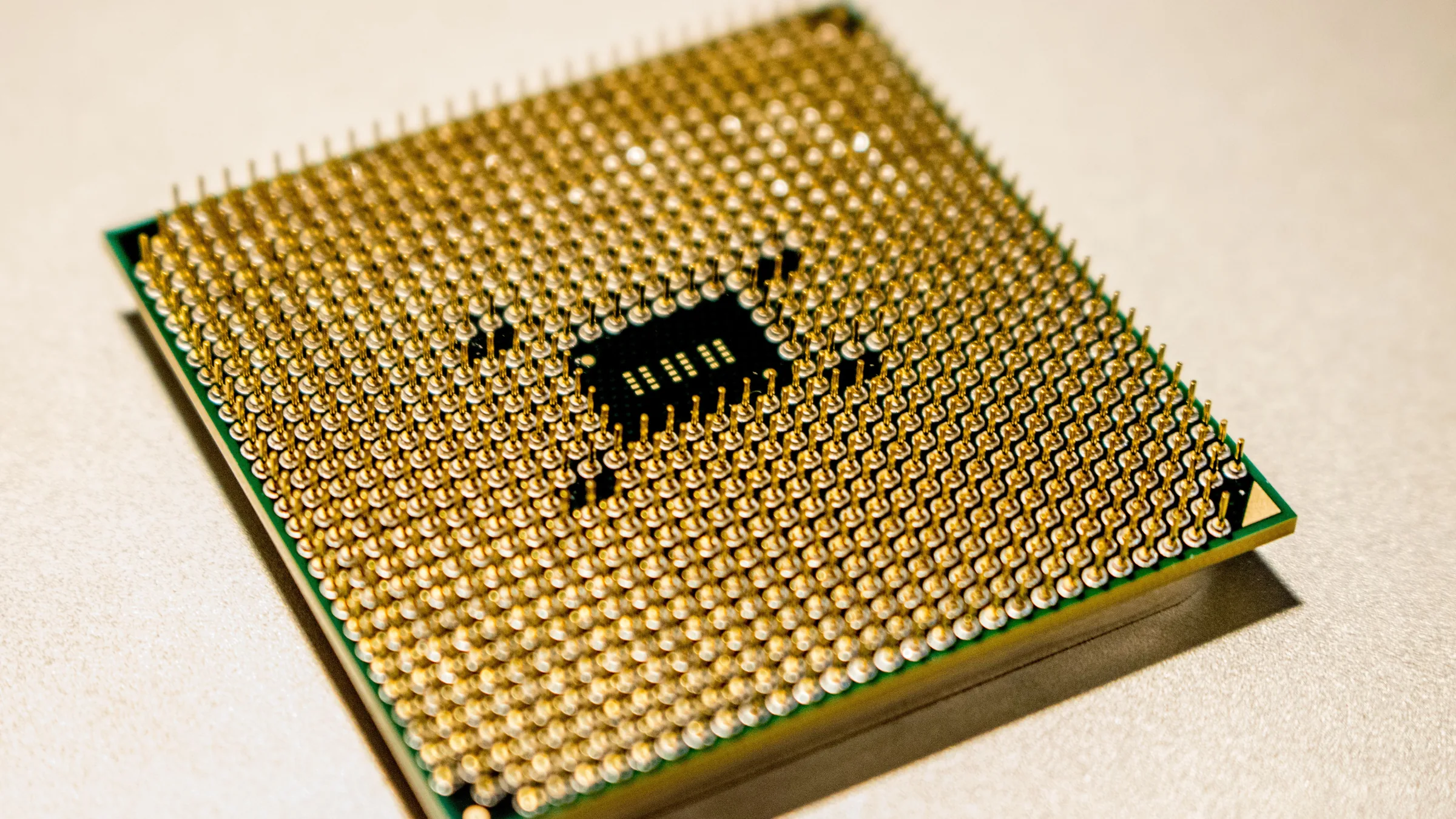
Speed and control for the parts that decide a platform
When to choose this group, and when not
When a component needs a systems language
A component needs a systems language when a measurement says so. ZingZee profiles the live platform in the assessment, and the case is made by a number: a queue that grows faster than the worker drains it, a request that takes longer than the user will wait, a server that runs out of memory at the month-end run, or a device that cannot carry a runtime. Go is the first choice for services and workers that handle many connections at once. Rust is chosen where memory safety and speed both matter, such as a parser that reads untrusted files or a component that runs for months without restart. Scala serves data pipelines on the JVM beside an existing Java estate. C and C++ serve devices, drivers, and libraries that other languages call.
When a systems language is the wrong answer
A systems language is the wrong answer for the parts of a platform that change every week and are edited by many people: the screens, the business rules, the reports. Those parts stay in Python and TypeScript, where a change is cheap and the hiring pool is wide. A systems language is also the wrong answer where the slow part is a missing database index or an unbatched API call, which ZingZee fixes in place before proposing a rewrite. The practice exists to move one component at a time, behind the same interface, with a measurement before and after, and never to rewrite a working platform in a faster language for its own sake.
Systems and performance engineering services ZingZee provides
High-throughput services and workers in Go
ZingZee builds APIs, gateways, and background workers in Go for workloads with many concurrent connections or a high event rate. Each ships as a single binary with metrics, behind the same interface the platform already calls.
Critical components in Rust
Parsers, encoders, schedulers, and long-running services where memory safety and speed both matter are written in Rust with a test suite that exercises the worst inputs. Rust components are exposed to Python and Node through clean bindings.
JVM data pipelines in Scala
Batch and streaming pipelines on Spark and Kafka for clients with a Java estate, built to finish within a window and to reprocess a day without side effects.
Device, driver, and library work in C and C++
Firmware, device integrations, and performance-critical libraries that Python or Go call, with builds and tests that run on a desktop before they run on hardware.
Profiling and performance work on existing platforms
The live system is profiled, the slowest paths are ranked, and each fix is made with a measurement before and after. Most engagements end with a shorter list of components than the client expected to rewrite.
Systems and performance scope
- APIs and gateways under load
- Services that answer in milliseconds with thousands of connections open
- Event and message processing
- Workers that drain queues, deduplicate, and write in batches
- Parsers and file processing
- Readers for large or untrusted files that never crash the platform
- Data pipelines with a deadline
- Batch and streaming jobs that finish inside a window and can be rerun
- Devices and embedded software
- Firmware, sensors, printers, and scanners integrated with the platform
- Profiling and capacity planning
- Measurements that show where the time and memory go before any change
Engagement model
Systems work follows ZingZee's five-phase delivery framework. The strategic assessment profiles the live platform and produces a ranked list of the components that limit it, with the measurement for each. The AI roadmap fixes the order and the language per component. Integration and deployment builds each component behind the existing interface, runs it beside the old one, and switches when the measurement is met. Adoption and enablement trains the client's team to build, deploy, and monitor it. Governance, optimisation and scale keeps latency, throughput, and resource use under review. Each phase opens with a scoping workshop and closes with a hardening workshop under load and a delivery workshop where the client signs off on the numbers.
- Strategic assessment
- AI roadmap
- Integration and deployment
- Adoption and enablement
- Governance, optimisation and scale
Cost and time
for systems and performance work.
The cost of systems work depends on the number of components, the complexity of the interface each must keep, the load it must carry, and whether hardware or devices are involved. A single Go worker that replaces a slow Python job is a matter of weeks, including the side-by-side run. A Rust parser with bindings and a full test suite takes longer, because the worst inputs must be collected and covered. A data pipeline or a device integration is a matter of months and depends on access to the source systems or the hardware. ZingZee provides a written estimate after the profiling in the strategic assessment, and in many cases the estimate covers fewer components than the client expected.
Industries served
ZingZee's systems and performance engineering practice serves the same sectors as the rest of its stack: retail and distribution, where stock and order events arrive in volume from an ERP; travel and hospitality, where channel updates and pricing must stay fast in season; financial services, where reconciliation runs must finish before the day starts; and energy and automotive, where devices and feeds supply data at a steady rate. Systems components are proposed by measurement in each case, and most platforms in those sectors need only one or two.
Systems tooling
ZingZee's systems practice uses one set of tools across its four languages, so a component in Go and a component in Rust are built, tested, and shipped the same way. The tooling covers:
- Go, Rust, Scala, and C and C++ toolchains pinned per project
- Profilers and load-testing tools run against the live platform before any change
- Benchmarks kept in the repository and run on every release
- Metrics, tracing, and alerting on every component
- Containers or single binaries deployed through the same pipeline as the rest of the platform
- Bindings and interface contracts that keep Python and Node callers unchanged
Systems engineering practices
Every systems engagement begins with a measurement and ends with the same measurement repeated. A component is built behind the interface the platform already calls, so the change is invisible to the screens. It runs beside the old component until it has processed real traffic without difference, and only then does it take over. Memory use and latency are recorded under load in the hardening workshop, and the numbers are written into the handover. Code is reviewed for the failure modes each language allows, tests exercise the worst inputs, and a rollback path is kept for the first weeks in production.
What happens next?
You send a description of the slow or unreliable part of your platform, the load it carries, and the numbers you have.
An engineer reads it and replies within two working days with the shape of a strategic assessment, which begins with profiling.
You sign a non-disclosure agreement if you need one, and you receive a proposal with the components, the language for each, the estimate, and the team.
Frequently asked questions
Straight answers on Systems and performance work with ZingZee.