Mobile App Development for iOS and Android
Mobile apps built to stay on the home screen and in daily use
ZingZee is a mobile app development company in Limassol, Cyprus, building iOS and Android apps for the staff, customers, and partners of operating businesses. Each app is designed against the jobs people do away from a desk, built on the same platform API as the company's web systems, and delivered through the five-phase framework to both stores.
- Cyprus, engineers across the globe
- Five-phase delivery
- Typed, tested, handed over
What a mobile app development company delivers
A mobile app development company designs, builds, releases, and supports the applications a business puts on the phones of its staff and customers, through the Apple App Store and Google Play or as an installable web app.
ZingZee's mobile app development services cover the full sequence: the research into who uses the app and where, the interface design, the native or cross-platform build, the connection to the systems behind it, the store release, and the monitoring after launch. Every app ZingZee builds reads the same platform API as the company's web software, so a task completed on a phone in a villa, a warehouse aisle, or a customer's kitchen is one record on the office screen within seconds. For a business owner, the app is the part of the system that leaves the building, and it is judged by whether people open it on a Tuesday afternoon with no signal.
Use cases
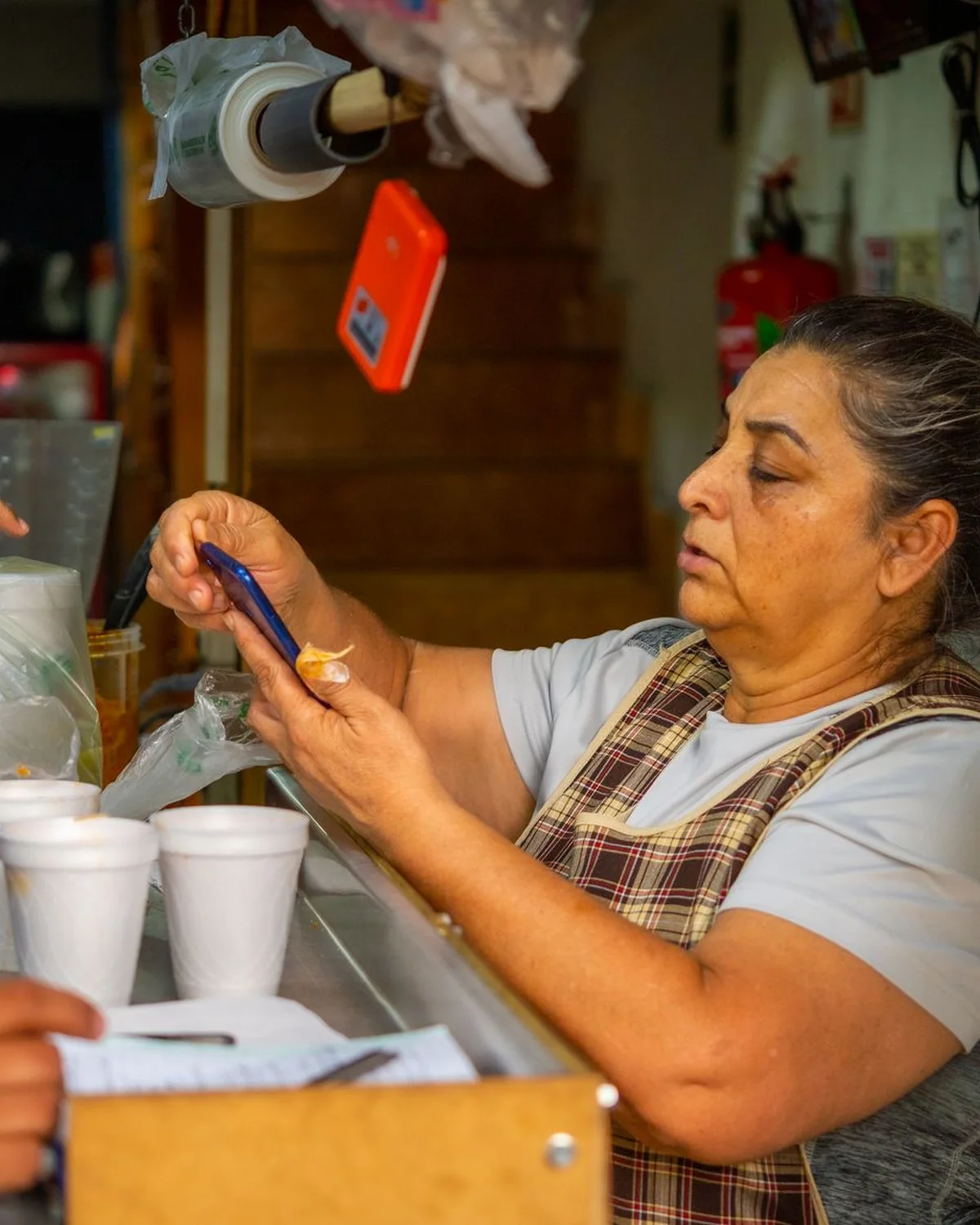
Give field staff a task list that works without a signal
Cleaners, maintenance crews, and installers receive the day's jobs on their phone, complete each one with photographs and a signature, and the record reaches the office when the signal returns, in order and without duplicates.
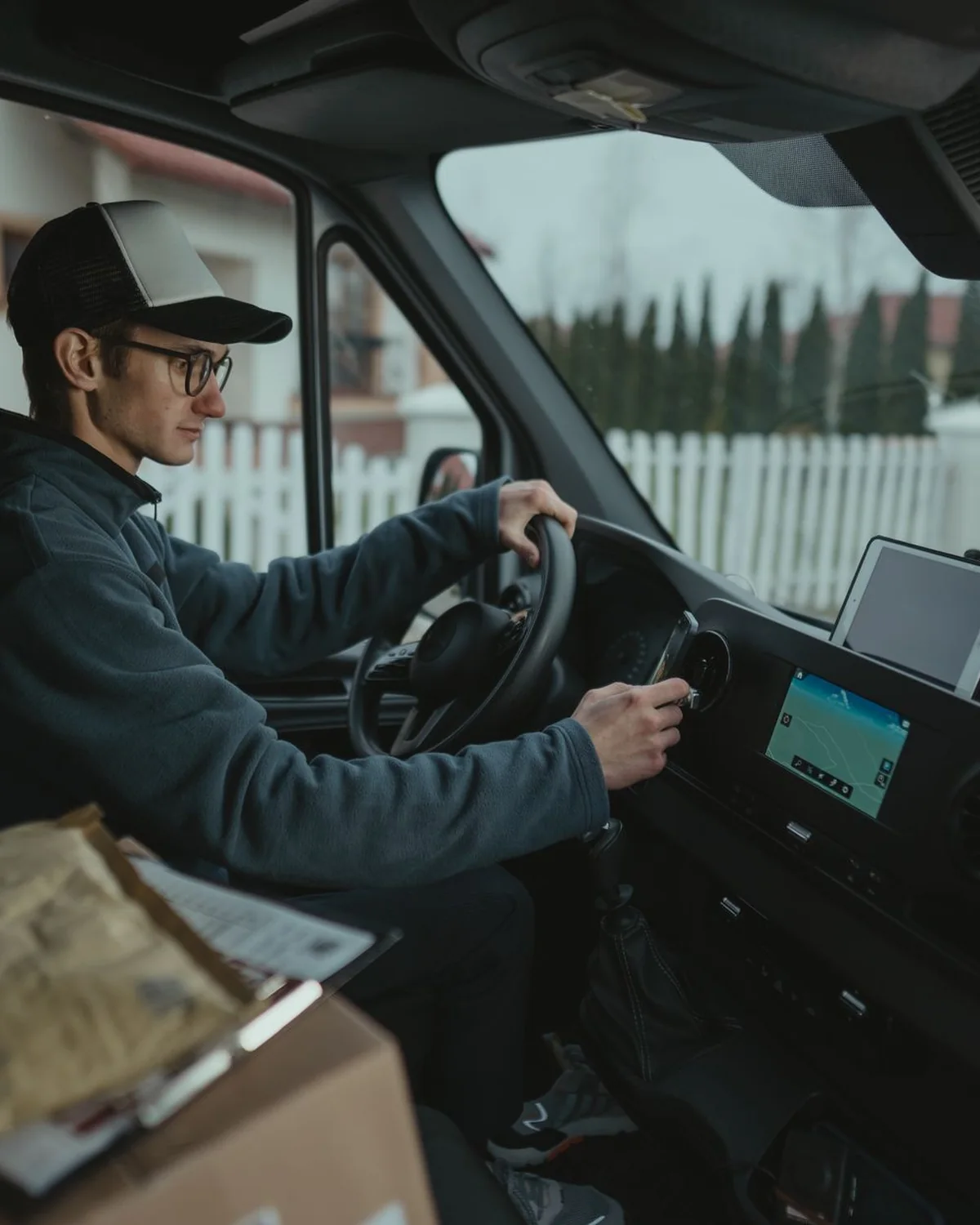
Put a customer's booking, statement, and messages in one place
A guest, a patient, or an account holder opens one app for the reservation, the invoice, the documents, and the conversation with the company, with a notification when something changes and nothing to look up by email.

Confirm a pick, a delivery, or a stock count with one scan
A handset in a warehouse aisle or a van reads the barcode, checks the quantity against the order, and posts the result back to the ERP, so the stock figure the sales team sees is the one the shelf holds.
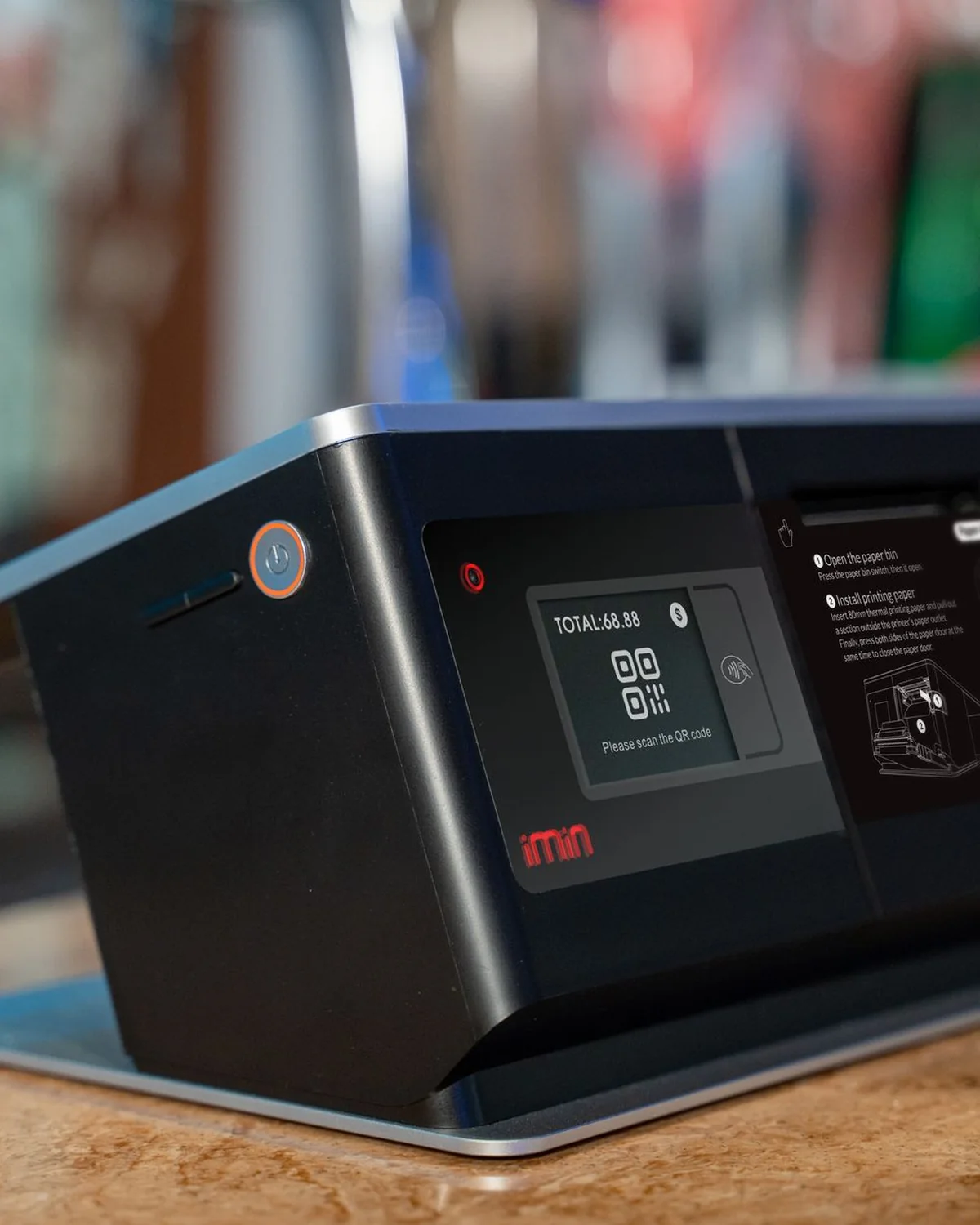
Let owners and partners see their own numbers and approve their own work
A property owner, a franchisee, or a subcontractor logs into an app scoped to their own jobs, statements, and calendars, approves a quote or a booking with one tap, and stops telephoning the office for the figure.

Replace the group chat as the system of record
Photographs, questions, and confirmations that lived in a messaging app become records attached to the job, the booking, or the customer, searchable by anyone with the right role and kept after the phone is replaced.

Mobile apps built to stay on the home screen and in daily use
Industries where ZingZee builds mobile apps
ZingZee has built mobile apps in travel and hospitality, where the housekeeping and maintenance staff of a villa management company work from an app that creates the day's tasks from the bookings and records every photograph and payment. In energy, a solar installer's customers follow their quote, documents, and grid application from a link on their phone. In automotive, a car importer's staff bid at auction from a tool that turns a lot into a ceiling price in under eight seconds, and in retail and distribution, pick lists and stock counts run on a handset against a live mirror of the ERP. The same patterns are offered to healthcare, professional services, construction, and logistics companies whose work happens away from a desk.
Mobile app development services ZingZee provides
 Mobile app design and development from the first screenZingZee designs and builds complete mobile apps from user research through to store release, with the interface drawn for one hand, sunlight, and gloves where the job demands it. Each screen is built against the live data model and tested with the worst-case records before it is shown.
 Native iOS and Android app developmentSwift and Kotlin apps for the cases where a device feature, a store requirement, or a performance target rules out a shared codebase. ZingZee builds both apps against one API and one design system, so a feature lands on both platforms in the same release.
 Cross-platform apps for both stores from one codebaseReact Native with Expo, or Flutter where the design must be drawn identically on every device, gives one codebase for iPhone and Android and ships interface fixes to installed phones without a store review. The choice between the two is made in the assessment.
 Platform APIs and back-end services behind the appWhere a company has no API, ZingZee builds a Python service on Postgres in front of the existing database, ERP, or booking system, so the app, the website, and the office screens read the same endpoints and the business rules live in one place.
 Store release, monitoring, and aftercareStore listings, signing, review submission, crash reporting, and scheduled releases are set up under the client's own accounts and handed over with a written runbook. ZingZee continues to watch crash rates, adoption, and store compliance after go-live.
When a business needs
a mobile app.
When a business needs a mobile app
A business needs a mobile app when the people who do the work, or the customers who pay for it, are away from a desk for most of the day. The signs are practical: photographs taken on a phone and sent through a group chat, checklists kept on paper and typed up later, status updates that arrive by telephone call, and customers who ask for the same booking, statement, or delivery time by message every week. An app gives those tasks a form, a camera button, a signature box, and an offline queue, and gives the office a live view of what has been done and by whom. It suits a customer base that returns often enough to keep an icon on the home screen, and it suits a workforce whose devices the company can specify. ZingZee's strategic assessment records the tasks, the devices, and the signal conditions, and states which of these cases applies.
When a mobile app is the wrong choice
A mobile app is the wrong choice when the users already have a website that works on a phone, when no device feature is needed that a browser cannot reach, and when the business cannot resource two store releases a month. Each store review, each operating-system update, and each new device generation adds a cost that a web application does not carry. It is the wrong choice for a customer who will use the service once a year, because a person who downloads an app for one job deletes it the same week. It is also the wrong answer to a slow or unreliable back-office system, since a new front end ships the same delay to a smaller screen. Where the assessment finds none of the device, store, or offline reasons, ZingZee proposes an installable web app and shows the cost of both routes side by side.
Mobile app engagement scope
Deliverables
A released iOS and Android app, or an installable web app where the assessment recommends it, in the client's own store accounts and repository, with the screens, roles, offline behaviour, and API connections agreed in the roadmap, in daily use by the end of the engagement.
Deliverables
A released iOS and Android app, or an installable web app where the assessment recommends it, in the client's own store accounts and repository, with the screens, roles, offline behaviour, and API connections agreed in the roadmap, in daily use by the end of the engagement.
Included as standard
User research with the people who will carry the app, an interface design file, automated tests on the main paths, testing on the client's own devices, crash reporting and analytics, a release pipeline, a written runbook, and a recorded handover session for the client's team.
Environments and hosting
ZingZee provisions a staging and a production API, on a dedicated cloud server in Germany, on its own hardware in Cyprus, or on the client's servers, with test builds distributed to pilot phones before each public release. Any cloud contract is held in the client's name.
Priced separately
A new platform API where none exists, a brand or design system built from scratch, additional languages after launch, hardware such as scanners or printers, and a second app for a different audience are scoped and quoted as their own items.
What the client provides
Apple and Google developer accounts in the company's name, access to the people who will use the app and to the systems it reads, the devices it must run on, brand assets, and a person who approves each release.
Outside the engagement
Store fees, device purchases, mobile data contracts, and the legal review of terms and privacy notices are the client's to hold. ZingZee specifies each one, prepares the store submission material, and connects the accounts once they are in place.
How a mobile app project with ZingZee runs
A mobile app project with ZingZee runs through the five-phase delivery framework. The strategic assessment lists the tasks people perform away from a desk, the devices they carry, the signal they can expect, and the device features the job needs, and it produces a written recommendation between an installable web app, a cross-platform app, and native, with the cost of each route side by side. The AI roadmap fixes the order of screens, the systems the app reads, and the release plan, with a measured target for each phase. Integration and deployment builds the app against the live API, tests it on the devices staff and customers own, and takes it through store review. Adoption and enablement trains the people who use the app and the office team that watches it, with written guidance on what the app does with and without a signal. Governance, optimisation and scale keeps crash rates, adoption, operating-system changes, and store compliance under review, and schedules the releases that follow. Each phase opens with a scoping workshop and closes with a hardening workshop on the client's own devices and a delivery workshop where staff use the release and sign it off.
Strategic assessment
We assess how the business operates today: its processes, its data and the systems it runs on. From that we identify the use cases with the highest return and confirm the organisation is ready to adopt them, so the programme starts from a defined baseline.
AI roadmap
Findings become a phased roadmap that balances early wins with the longer build. ZingZee sets the milestones, the resourcing and the governance that keep delivery on schedule and aligned to business objectives.
Integration and deployment
Our engineers develop, validate and deploy the solution into your production environment, integrated with the enterprise systems you already run and sized for the workloads it will carry.
Adoption and enablement
Enablement programmes prepare business users and technical teams to work with the new capability, and structured change management ensures the organisation captures the full value of what has been deployed.
Governance, optimisation and scale
Ongoing governance, monitoring and optimisation keep the solution accurate, compliant and performing. Proven solutions are then scaled across departments and regions under the same data governance standards.
Mobile app tooling
ZingZee builds every mobile app on one set of tools, so the release process reads the same for a staff app and a customer app. The tooling covers:
- Swift and Kotlin for native iOS and Android apps, with Xcode and Android Studio
- React Native with Expo for cross-platform apps in TypeScript, sharing types with the web front end
- Flutter and Dart where the design must be drawn identically on every device
- Next.js with a service worker for installable web apps that need no store
- Python services on Postgres for the platform API every app reads
- Crash reporting, analytics, and automated builds, signing, and store submission under the client's accounts
Mobile app engineering practices
Every app is built against the real API from the first sprint and tested on the devices staff and customers own, including the oldest ones in the fleet. Offline behaviour is designed before the first screen, so a task completed without signal reaches the server later in order and without duplication. Each screen is checked with the longest names, the largest photographs, and the slowest connection the business has seen. Store submissions are rehearsed before the first public release so that review rules on permissions, privacy, and payments are met the first time. Secrets, keys, and credentials are held outside the codebase, and every release is tagged, signed, and reversible. At handover the client receives the repository, the store accounts and signing keys in its own name, the tests, and a written release runbook.
Cost and time for a mobile app
The cost of a mobile app depends on the number of screens and roles, the choice between an installable web app, a cross-platform app, and two native apps, the device features and offline cases it must handle, the systems it reads and writes, and whether a platform API already exists. An installable web app for one team on an existing platform is a matter of weeks. A cross-platform app on both stores with offline sync, notifications, and payments is a matter of months and goes live in releases, with a pilot group first. Two native apps cost the most to build and to keep current, because each store, operating system, and device generation must be tested. ZingZee provides a written estimate after the strategic assessment, with the cost of each route side by side, and phases the budget to the client's priorities.
What happens next?
You send a description of who will use the app, the phones they carry, the tasks it must handle without a signal, and the systems behind it.
An engineer reads it and replies within two working days with a recommendation between a web app, a cross-platform app, and native, and the shape of a strategic assessment.
You sign a non-disclosure agreement if you need one, and you receive a proposal with the phases, the estimate, and the team.
Discuss a mobile app with ZingZee
Describe who will use the app, the phones they carry, and what it must do without a signal. An engineer replies with a recommendation between web, cross-platform, and native, and the shape of a strategic assessment.
Or call +357 26 022564
Your details are used to respond to this enquiry, as our privacy policy explains. Privacy policy
Frequently asked questions
Straight answers on Mobile app development work with ZingZee.