AI-Assisted Software Development Services
Software built with AI in the process and an engineer accountable for every line
ZingZee applies AI-assisted software development across its own delivery, from requirements and architecture to code, tests, review, and operations. Engineers in Limassol, Cyprus use assistants running on ZingZee's own GPU hardware or on the client's servers, under a review process that keeps a named person responsible for what ships, through the five-phase delivery framework.
What AI-assisted software development is
AI-assisted software development is the use of language models inside the engineering process: drafting code from a specification, generating tests, reading a codebase to explain it, reviewing a change for defects, writing documentation, and turning logs into a diagnosis.
ZingZee's AI-assisted software development services are how the company builds everything it delivers, and the benefit passes to the client as shorter timelines, fuller test coverage, and documentation that exists on the day of handover. The assistants run on ZingZee's own GPU hardware in Cyprus or on the client's servers, so client code and data stay where the contract says they stay. Every change an assistant proposes is read, tested, and approved by an engineer before it is committed, and that engineer's name is on it. For a buyer, this page describes what to expect from a ZingZee team and what to ask any supplier that says it uses AI.

Software built with AI in the process and an engineer accountable for every line
Industries where ZingZee has delivered with AI assistance
ZingZee has applied AI-assisted software development across its delivered projects since adopting it: a villa rental platform with bookings, pricing, calendars, and owner accounting; an accounting platform with a ledger, invoicing, and bank reconciliation; a stock and price system mirroring an ERP for two shops and a warehouse with around 95,000 product lines; a property maintenance platform with work orders and inspections; and internal tools for planning, whiteboarding, and task management. Clients in travel and hospitality, retail, financial services, property, and professional services have received the resulting timelines and documentation, and the same method is offered to every sector ZingZee serves.
AI-assisted software development services ZingZee provides

Requirements and specification support
ZingZee's analysts use assistants to turn workshop notes, existing documents, and screen recordings into draft specifications, acceptance criteria, and data models, which the analyst and the client correct together. Gaps and contradictions are surfaced in the first week.
Code drafting from specifications
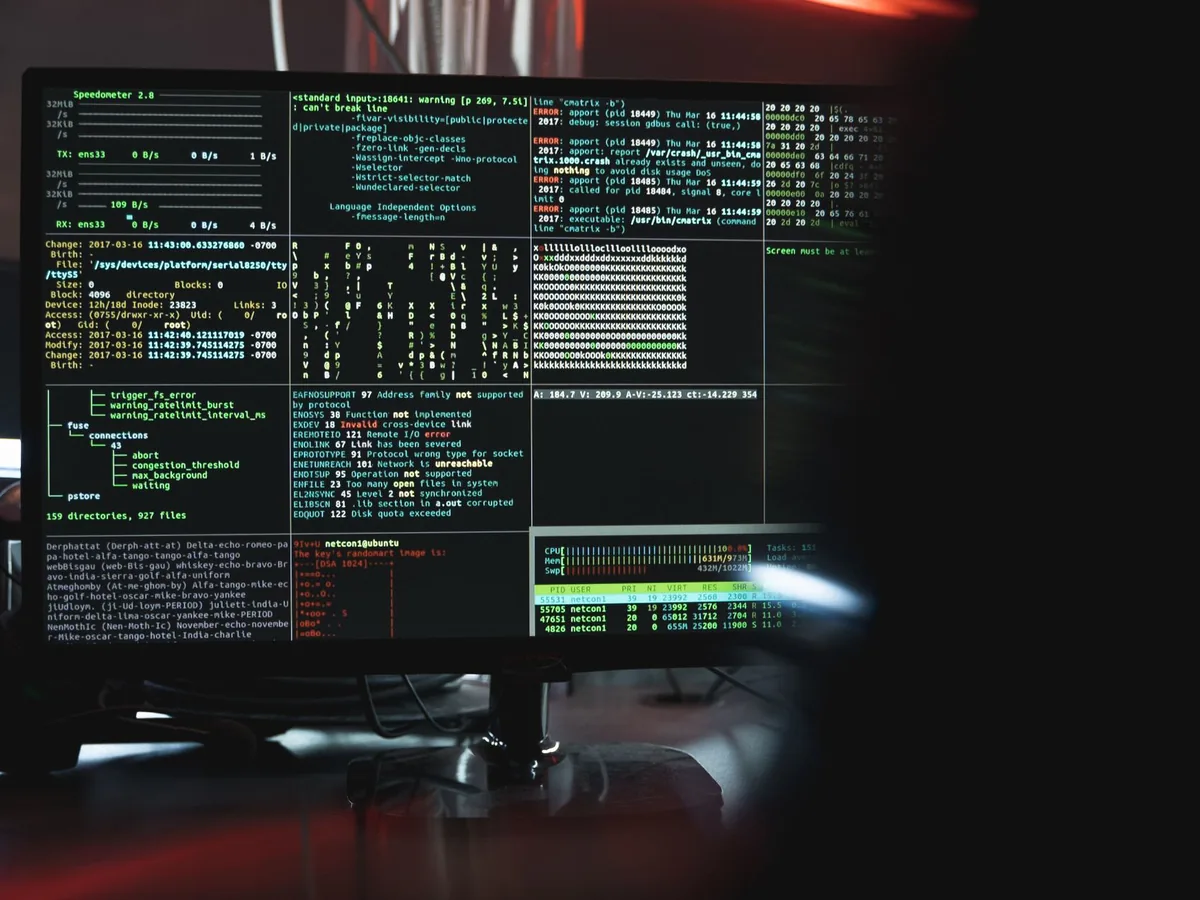
ZingZee's engineers write the specification and the tests, then use assistants to draft the implementation against them, in the project's own patterns and libraries. Every draft is read, run, and edited by the engineer who commits it.

Generated tests and worst-case data
ZingZee generates unit tests, end-to-end scenarios, and edge-case records from the specification and the schema, which raises coverage on the paths a hurried team would skip. The test suite is a deliverable and runs on every change.

AI-supported code review and security checks
ZingZee reviews every change twice: an engineer reads it, and an assistant checks it for defects, insecure patterns, and departures from the project's conventions, with findings recorded on the change. The engineer decides, and the assistant never merges.

Documentation, operations, and legacy code reading
ZingZee uses assistants to produce and maintain the README, the runbook, and the data dictionary from the code as it changes, to explain legacy systems during modernisation, and to turn production logs into a first diagnosis for the on-call engineer.
When AI-assisted software development is
the right choice.
When AI-assisted software development is the right choice
AI-assisted software development is the right choice for the client when the timeline matters and the scope is understood, since the largest gains come in drafting well-specified code, generating tests, and documenting systems, work that is otherwise squeezed at the end of a project. It is the right choice for modernising an old system, where assistants read and explain code nobody on staff has touched in years, and for platforms with many similar screens, integrations, or reports, where a pattern set once is repeated accurately. It suits clients with strict data rules, because the assistants run on private hardware and the audit log shows what each one read. The strategic assessment records where AI assistance applies on the project and where it does not, and the estimate reflects both.
When AI-assisted software development is the wrong choice
AI-assisted software development is the wrong tool where the problem is unknown, in novel algorithms, unfamiliar hardware, or a domain rule nobody has written down, since an assistant produces confident code for the wrong problem faster than a person would. It is the wrong emphasis when a client expects the assistant to replace the specification, the review, or the testing, because those are the controls that make the speed safe. It is also the wrong answer for a client whose contract forbids any model reading its code, where ZingZee works without assistants and quotes accordingly. ZingZee's strategic assessment states which parts of a project use AI assistance and which do not before an estimate is given.
Use cases

The drafting, testing, and documentation work that stretches a project is compressed, so a booking, operations, or finance platform reaches its first release in fewer weeks with the specification and the review unchanged.

Assistants read an old codebase, map its modules and data flows, and explain each part to the engineers, which turns a rewrite into a planned migration with the behaviour documented before it changes.

A codebase with thin tests gains a generated suite reviewed by engineers, run on every change, and extended with the worst-case records from production, before new features are added on top.
The README, runbook, and data dictionary are regenerated from the code on every release and checked by an engineer, so the client's team inherits documents that match the system it is running.

Production logs, traces, and alerts are summarised into a first diagnosis with the likely change that caused it, so the on-call engineer starts from a hypothesis and the fix reaches production sooner.
AI-assisted delivery engagement scope
Deliverables
The software, tests, and documentation of the project, built with AI assistance under engineer review, in the client's repositories, with the review record showing who approved each change and a written account of where assistants were used and which models.
Deliverables
The software, tests, and documentation of the project, built with AI assistance under engineer review, in the client's repositories, with the review record showing who approved each change and a written account of where assistants were used and which models.
Included as standard
Assistants running on private hardware, an audit log of what each assistant read and produced, engineer review on every change, generated test suites reviewed by engineers, documentation regenerated per release, and a statement of AI use in the handover pack.
Access and approvals
The client approves in writing which repositories, documents, and data the assistants may read, where the models run, and whether any commercial model may be used for any purpose. ZingZee works within that approval and records it in the project file.
Priced separately
Setting up AI-assisted development inside the client's own engineering team, including assistant deployment, review process design, and training, is a separate engagement delivered under the AI team extension and AI advice and planning services.
What the client provides
A decision on where the assistants may run and what they may read, access to the repositories and documents the project needs, a person who answers specification questions within the sprint, and a reviewer for the acceptance tests.
Outside the engagement
Commercial model licences the client chooses to hold, the client's own AI policy and its legal review, and any code the client's staff write outside ZingZee's review process are the client's responsibility. ZingZee advises on each where asked.
AI-assisted development tooling
ZingZee uses one set of AI tooling across its projects, chosen so that client code and data stay on private hardware and every action is logged. The tooling covers:
- Coding assistants served on ZingZee's own GPU hardware in Cyprus or on the client's servers, with a commercial model only where the client has approved it in writing
- Retrieval over the project's repository, specifications, and tickets, so drafts follow the project's own patterns
- Test generators for unit, end-to-end, and edge-case scenarios, run in the pipeline on every change
- Review assistants that check each change for defects, insecure patterns, and departures from convention
- Documentation generators that rebuild the README, runbook, and data dictionary per release
- An audit log of every assistant request, the files read, and the output produced, kept with the project
How an AI-assisted project with ZingZee runs
A project built with ZingZee's AI-assisted software development runs through the same five-phase delivery framework as every other engagement, with the assistants applied in each phase under the same controls. The strategic assessment uses assistants to read existing code, documents, and data models and to draft the inventory the engineers then verify, and it records the client's approval on where the assistants run and what they may read. The AI roadmap fixes the build order and marks where assistance will contribute most, which sets the estimate. Integration and deployment is where engineers specify, assistants draft, tests are generated and reviewed, and every change goes through the two-part review before release. Adoption and enablement hands over documentation regenerated from the final code, with a recorded session, and trains the client's team on the runbook. Governance, optimisation and scale uses assistants on logs and alerts to shorten diagnosis and keeps the documentation current with each release. Each phase opens with a scoping workshop and closes with a hardening workshop, where the release is tested against the acceptance criteria and the security checklist, and a delivery workshop, where the client uses it and signs off.
Strategic assessment
We assess how the business operates today: its processes, its data and the systems it runs on. From that we identify the use cases with the highest return and confirm the organisation is ready to adopt them, so the programme starts from a defined baseline.
AI roadmap
Findings become a phased roadmap that balances early wins with the longer build. ZingZee sets the milestones, the resourcing and the governance that keep delivery on schedule and aligned to business objectives.
Integration and deployment
Our engineers develop, validate and deploy the solution into your production environment, integrated with the enterprise systems you already run and sized for the workloads it will carry.
Adoption and enablement
Enablement programmes prepare business users and technical teams to work with the new capability, and structured change management ensures the organisation captures the full value of what has been deployed.
Governance, optimisation and scale
Ongoing governance, monitoring and optimisation keep the solution accurate, compliant and performing. Proven solutions are then scaled across departments and regions under the same data governance standards.
AI-assisted engineering practices
An engineer writes the specification and the tests before an assistant drafts an implementation, and the same engineer reads, runs, and edits the draft before committing it under their own name. Every change passes an engineer's review and an assistant's review, and the assistant never merges. Assistants read only the repositories and documents the client has approved, on hardware the client has approved, and the audit log shows what was read for each request. Generated tests are reviewed for what they assert, since a test that passes on the wrong behaviour gives false confidence. Secrets, keys, and personal data are excluded from assistant context by policy and by tooling. Model changes are evaluated on the project's own code before adoption, and the handover pack states which models were used and where they ran, so the client can answer its own auditor. Where a project touches personal or financial data, the assistants work on masked copies, and the masking is checked before the first sprint.
Cost and time with AI-assisted software development
The effect of AI-assisted software development on cost and time depends on how well the scope is specified, how much of the work is pattern-based, how much test and documentation coverage the client requires, and the constraints the client places on where assistants run and what they read. On well-specified platform work ZingZee's timelines are shorter than the same team achieved without assistance, and the saving is passed to the client in the estimate; the exact figure is stated per project in the assessment because it varies with the work. Projects with novel problems or tight restrictions on AI use are estimated without the saving. ZingZee provides a written estimate after the strategic assessment and phases the budget to the client's priorities.
What happens next?
You send a description of the system you need, the constraints on where your code and data may go, and the deadline.
An engineer reads it and replies within two working days with the shape of a strategic assessment and a note on where AI assistance will apply.
You sign a non-disclosure agreement if you need one, and you receive a proposal with the phases, the estimate, and the team.
Discuss AI-assisted software development with ZingZee
Send the system you need, the constraints on where your code and data may go, and the deadline. An engineer replies with a scoped assessment and a note on where AI assistance applies.
Or call +357 26 022564
Your details are used to respond to this enquiry, as our privacy policy explains. Privacy policy
Frequently asked questions
Straight answers on AI-assisted delivery work with ZingZee.