TypeScript Development Services
TypeScript from the database to the screen
Every React, Next.js and Node codebase ZingZee ships is written in TypeScript with the strict compiler settings on. The types describe the contracts between database, API and interface, and the compiler checks them on every build.
- Cyprus, engineers across the globe
- Five-phase delivery
- Typed, tested, handed over

What TypeScript is
ZingZee's TypeScript development services cover the build, migration, and support of web and server code in TypeScript, the language that adds types to JavaScript. A type is a written description of the shape of a piece of data: a booking has a start date, an end date, and a price in a currency. The TypeScript compiler checks every line against those descriptions before the code runs, so a mismatch between the database, the API, and the screen is caught on the engineer's machine and never in front of a user. For a business owner, TypeScript is the reason a change to one part of a platform breaks the build and never the live page, and the reason a handover reads as documentation.
What we do with TypeScript
ZingZee treats types as the contract between the parts of a platform. Database schemas generate the types the API uses, the API's response types are shared with the front end, and a form's validation schema produces the type of the record it submits. A column renamed in Postgres therefore breaks the build in every screen that reads it, before any of those screens reach production.
The same discipline applies on the server. Node services, API routes and background workers are written in TypeScript with strict null checks, so a missing field or an undefined value is caught by the compiler before a user sees it. Runtime validation at the system boundary, with a schema library such as Zod, converts incoming JSON into typed values and rejects anything that does not match.
For clients with an existing JavaScript codebase, ZingZee runs a staged conversion: the compiler is switched on in permissive mode, files are renamed and typed in order of risk, and strictness is raised one flag at a time until the whole codebase passes. The client's team is trained on the conventions during the conversion, and the result is a codebase whose types read as documentation at handover.
TypeScript from the database to the screen
Why TypeScript
Errors caught at build time
A wrong field name, a missing null check or a mismatched API response fails the build, so the class of bug that reaches production shrinks.
One type from schema to screen
Types generated from the database schema flow through the API to the interface, so a change in one place is checked in every place it is used.
Handover that reads as documentation
A typed codebase tells a new engineer what every function accepts and returns, which shortens onboarding and reduces the questions a client has to ask.
Safer refactoring
Renaming a field or restructuring a module is guided by the compiler, so large changes can be made late in a project without regression.
Editor support for the client's team
Autocomplete, inline errors and go-to-definition work across the whole codebase, so the in-house team moves faster after ZingZee hands over.
When TypeScript is the right choice
TypeScript is the right choice for any codebase that more than one person will maintain, that will live longer than a few months, or that connects several systems whose data shapes must agree. That covers every business platform ZingZee builds, which is why every React, Next.js, and Node codebase it ships is written in TypeScript with the strict compiler settings on. It is also the right choice for a JavaScript codebase that has grown past the point where its authors can hold it in their heads, where a staged migration to TypeScript makes the hidden contracts explicit and the next change safe.
When TypeScript is the wrong choice
TypeScript adds cost without benefit to a throwaway script, a one-page prototype that will be discarded, or a small piece of glue code with no data contract to protect. It is also the wrong first step for a JavaScript codebase with no tests and no build pipeline, where the types would be guessed; ZingZee puts the pipeline and a first test suite in place before the migration. A migration is proposed only where the codebase will be maintained, and the assessment says so where a rewrite in another language would serve the client better.
Use cases
Full-stack platforms
Booking, operations and finance systems where the front end, API routes and workers share one set of types.
TypeScript development services
ZingZee provides.
TypeScript on every ZingZee front end and Node service
Every React, Next.js, and Node codebase ZingZee builds is written in TypeScript with strict settings, with types generated from the database schema so that the database, the API, and the screen share one contract.
JavaScript to TypeScript migration
Existing JavaScript codebases are migrated file by file, starting with the types at the boundaries, so the application stays in production and each step is checked by the compiler and the test suite.
Typed API contracts and shared packages
ZingZee builds shared type packages that the front end, the mobile app, and the server all import, so a change to a record type is applied everywhere or the build fails.
Strictness and quality upgrades
Codebases on loose TypeScript settings are moved to strict mode in stages, with implicit any, null handling, and unchecked indexes resolved one module at a time.
TypeScript tooling and pipelines
Compiler configuration, linting, type generation from the schema, and type checks in the deployment pipeline are set up once per platform and handed over to the client's team.
TypeScript development scope
Deliverables
A TypeScript codebase, new or converted, that compiles under strict settings, with the shared type packages, the validated API contracts, and the generated database types committed to the client's repository.
Included as standard
Type checks and tests in the deployment pipeline, ESLint with type-aware rules, a written contract for every external API, a README covering the type layout, and a recorded handover for the client's developers.
Migration artefacts
On a JavaScript conversion, ZingZee delivers the audit, a file-by-file order that keeps the application in production, the strictness targets per stage, and a report of the defects the compiler found.
Priced separately
New features written during a migration, a monorepo set-up across web, mobile, and server, and the tests a codebase lacks before conversion can start are scoped and quoted as separate items.
What the client provides
The current codebase and its build, the documentation or the people who know the external contracts, test data for the boundaries, and a developer who will own the types after handover.
Outside the engagement
Hosting, package registry subscriptions, and third-party SDK licences are the client's. TypeScript itself carries no licence cost, and ZingZee pins the compiler version in the repository so builds stay repeatable.
How a TypeScript project with ZingZee runs
A TypeScript engagement with ZingZee runs through the five-phase delivery framework. For new platforms, TypeScript is simply how the code is written from the first sprint. For a migration, the strategic assessment audits the JavaScript codebase, its tests, and its pipeline, and produces an order of files starting at the boundaries. The AI roadmap fixes the order and the strictness target. Integration and deployment migrates module by module with the application in production. Adoption and enablement trains the client's engineers in the types and the tooling. Governance, optimisation and scale keeps the strictness settings and dependencies current. Each phase opens with a scoping workshop and closes with a hardening workshop and a delivery workshop where the client signs off.
- Strategic assessment
- AI roadmap
- Integration and deployment
- Adoption and enablement
- Governance, optimisation and scale
Industries where ZingZee applies TypeScript
ZingZee applies TypeScript across every sector it serves, because it is the language of every front end and Node service it ships. The five-language booking platform of a villa rental company, the accounting system for a business with hundreds of properties, the warehouse dashboard for a retailer, the ordering portal of a distributor, and the assessment product for aviation training are all written in TypeScript from the database types to the screen. The practice is the same for financial services, insurance, energy, and automotive clients.
TypeScript tooling
ZingZee's TypeScript work uses one configuration and one set of tools across every project, so a client's team finds the same setup in every repository. The tooling covers:
- TypeScript with strict mode, no implicit any, and strict null checks
- Types generated from the Postgres and Supabase schema
- Zod or an equivalent for validation at the API boundary, with types inferred from the schema
- ESLint with type-aware rules
- Type checks and tests run in the deployment pipeline before every release
- Shared type packages in a monorepo where web, mobile, and server share contracts
TypeScript engineering practices
Types are generated from the database schema and imported by the API and the screens, so one contract runs from the column to the form field. Data entering the platform from a browser, a webhook, or a partner feed is validated at the boundary against a schema, and the type is inferred from that schema so the two cannot drift apart. The compiler runs in the pipeline, and a release does not ship with a type error. Migration moves from the boundaries inward, so the types that matter most are correct first. At handover the client receives the repository, the configuration, the type packages, the tests, and a written note on the strictness settings and why they are set.
Cost and time for TypeScript work
For a new platform, TypeScript adds no separate cost; it is the language the work is written in. The cost of a migration depends on the size of the JavaScript codebase, the number of external contracts it has, the state of its tests, and the strictness target. A small service with tests migrates in weeks. A large front end with no tests is a programme of months, because the tests and the pipeline come first. ZingZee provides a written estimate after the strategic assessment, with the migration split into stages that each leave the application in production.
What happens next?
You send a description of the codebase, its size, its tests, and the systems it connects to.
An engineer reads it and replies within two working days with the shape of a strategic assessment.
You sign a non-disclosure agreement if you need one, and you receive a proposal with the phases, the estimate, and the team.
Related case studies.
Real projects, real numbers.
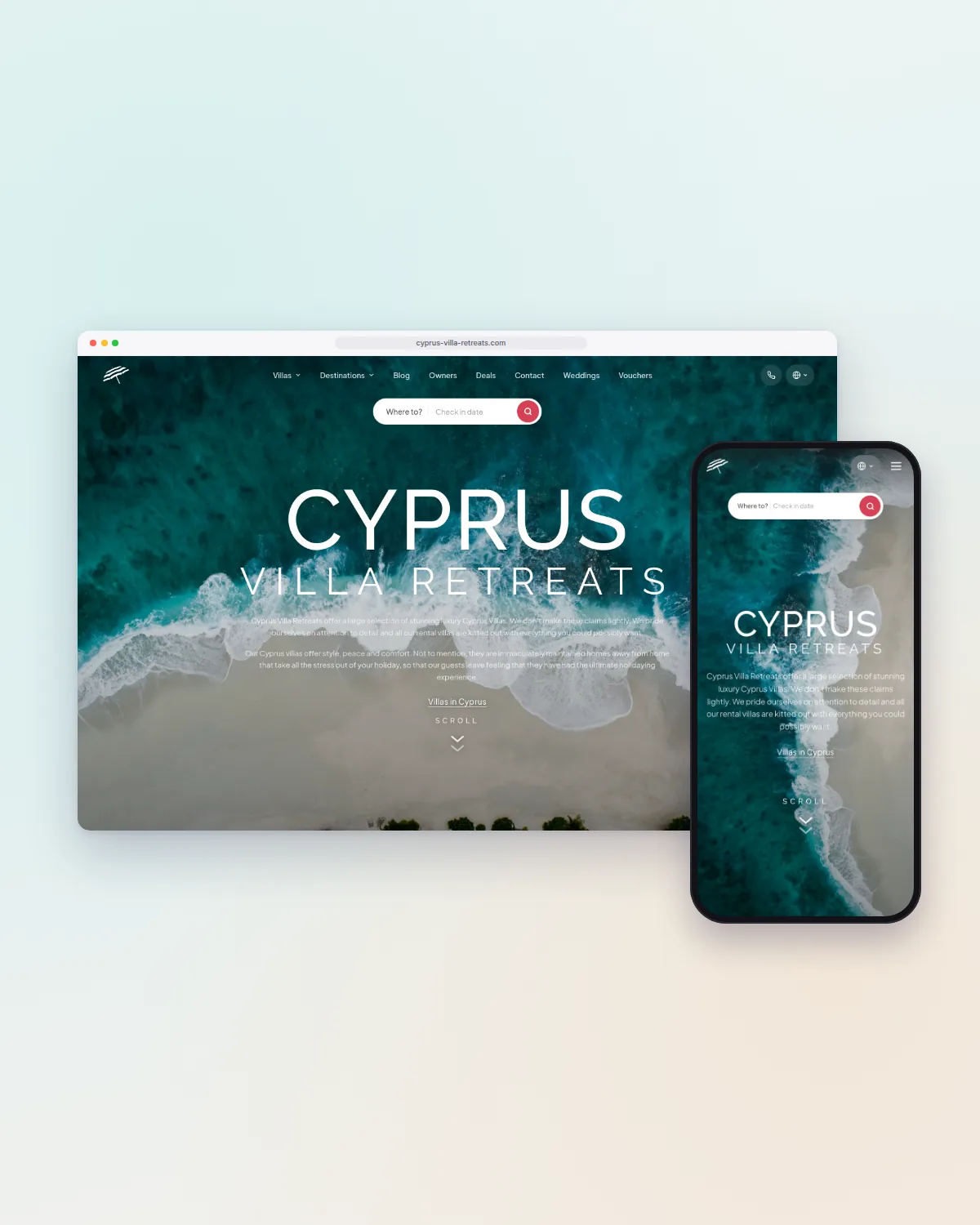 22 staff, from 58PlatformCustom booking and operations platform for Cyprus Villa RetreatsOne custom platform replaced more than 30 software products; the company now runs more than 450 villas with 22 staff, up from 70 villas and 58 staff.Read the case study
 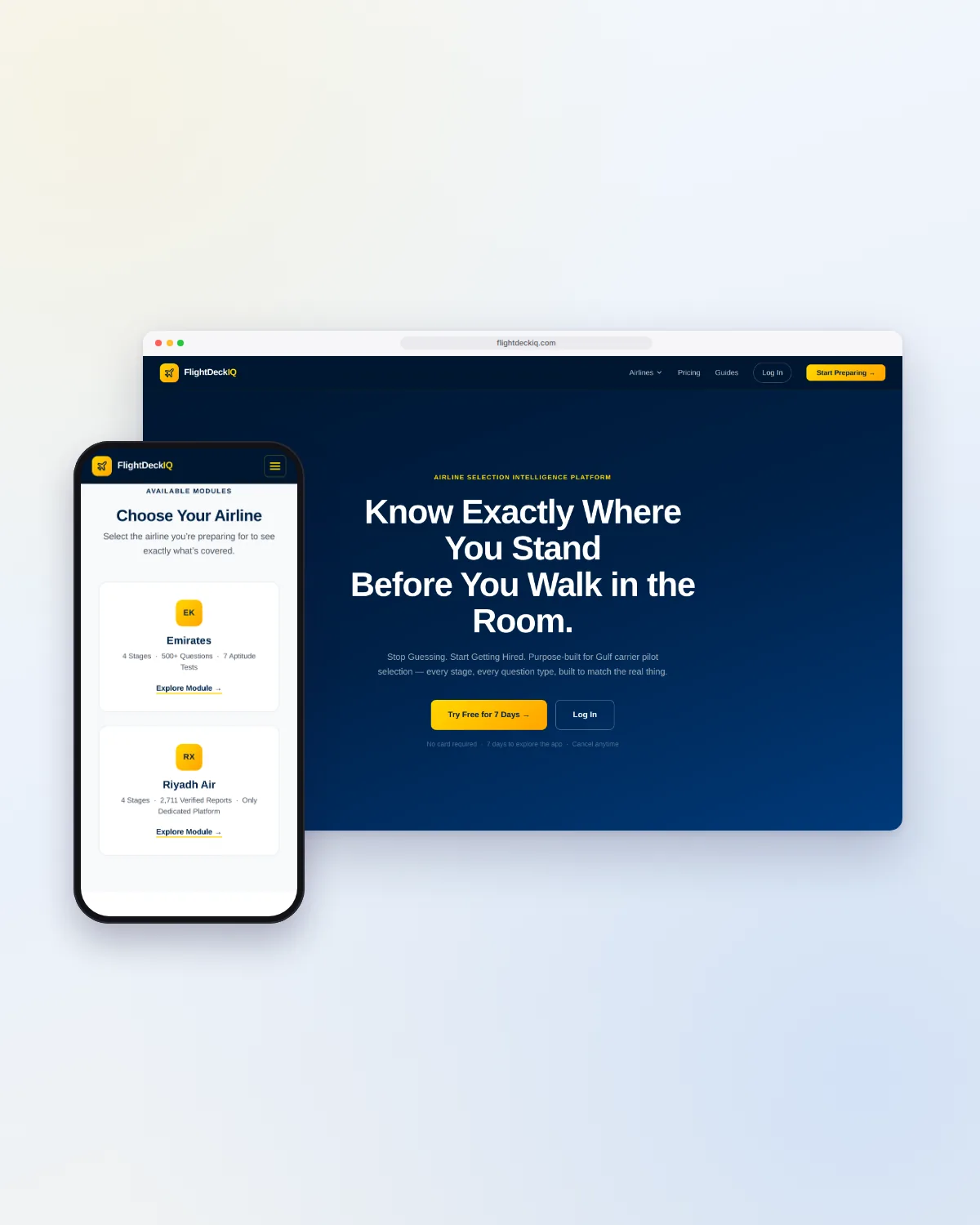 500+ practice questions in the first moduleProductAssessment preparation platform for commercial airline pilotsZingZee's own product combines study modules with seven aptitude test simulators built on the real selection process of each airline it covers.Read the case study
 Frequently asked questions
Straight answers on TypeScript work with ZingZee.