Next.js Development Services
Next.js platforms that render fast and index in full
Next.js is the framework behind ZingZee's own platform builds, from the five-language villa booking site to the dashboards that sit over SAP and ERP data. It gives React server rendering, file-based routing and a build pipeline the client's team can run after handover.




What Next.js is
ZingZee's Next.js development services cover the build and support of websites and platforms on Next.js, the framework that wraps React with the parts a real site needs: page rendering on the server, routing from the file system, image handling, and a place to put the code that talks to the database. A page built in Next.js arrives in the browser as complete HTML, so a search engine reads it in full and a person on a slow connection sees it before the scripts load. For a business owner, Next.js is the reason a booking site ranks for its listings, a portal loads on a phone, and one codebase serves the public site and the tools behind it.
What we do with Next.js
ZingZee uses Next.js as the default framework for any public site or platform where search ranking and first-load speed carry commercial weight. Booking pages, landing pages for each area a company sells, owner portals and staff tools have all shipped on it, with the app router, server components and TypeScript throughout.
Pages are rendered on the server or at build time, then revalidated on a schedule or on demand when the underlying record changes. A villa page rebuilds when its prices change, a product page when its stock moves, and the rest of the site stays cached at the edge. Search engines receive complete HTML, structured data and localised metadata rather than an empty shell that fills in later.
Data access follows one rule: server components read the database through typed queries, and client components fetch from same-origin API routes. Authentication, image optimisation, internationalised routing and edge middleware are configured once per platform and reused on every page. Where a client already runs a Next.js codebase, ZingZee upgrades it in place, moving from the pages router to the app router one route group at a time.
When Next.js is the right choice
Next.js is the right choice for any public site where search ranking and first-load speed carry commercial weight: a booking site, a product catalogue, a site with a landing page per area a company sells in, or a site in several languages. It suits platforms that combine a public front with authenticated areas, because the pages, the API routes, and the middleware live in one repository and one deploy. It also suits a company that wants its content team to publish pages without an engineer, since pages rebuild when their data changes. ZingZee uses Next.js as the default for every new public platform.
When Next.js is the wrong choice
Next.js is the wrong choice inside an existing single-page application where the URL structure and hosting are fixed and no page needs indexing; plain React inside that application costs less. It is the wrong choice for a content site with no dynamic data, where a static generator or a managed content platform is simpler to keep. It also adds little to a purely internal tool used by a few staff behind a login, where rendering on the server brings no search benefit, though ZingZee still uses it there for the shared tooling. The assessment states the case before any Next.js work is proposed.
Why Next.js
Server rendering by default
Every page arrives as complete HTML, so search engines index it in full and a guest on a slow connection reads the page before the JavaScript loads.
Incremental static regeneration
Pages are built once and rebuilt only when their data changes, which keeps a large catalogue site fast without a full rebuild for one price edit.
Routing and layouts from the file system
Nested layouts, route groups and localised paths are declared in folders, so a five-language site shares one layout and one set of components.
One codebase, front and back
API routes, server actions and middleware live beside the pages, so form handling, webhooks and authentication ship in the same repository and the same deploy.
Built-in performance tooling
Image optimisation, font loading, code splitting and streaming are part of the framework, so Core Web Vitals are engineered from the first build.
Next.js platforms that render fast and index in full

Use cases
Booking and e-commerce sites
Live availability, pricing and checkout, with each listing page indexed in every language the business sells in.
Multi-language marketing sites
Localised routes, metadata and structured data per market, with landing pages generated from one content source.
Customer and owner portals
Authenticated areas with statements, documents and messages, rendered on the server so nothing sensitive reaches the browser unauthorised.
Dashboards over live data
Sales, stock and margin views that stream from the database as the user scrolls, filtered by role.
Migration from older React or CMS sites
Existing URLs preserved, pages moved route by route, and rankings carried across with redirects tested before cutover.
Next.js development services
ZingZee provides.
New Next.js sites and platforms
ZingZee designs and builds public sites, booking flows, portals, and dashboards on Next.js with the app router, server components, and TypeScript throughout, hosted on servers the client controls.
Migration to Next.js from older sites
Existing WordPress, older React, or template-driven sites are moved route by route behind the same domain, with every URL preserved or redirected one to one and rankings checked before cutover.
Upgrades inside an existing Next.js codebase
Sites on the pages router are moved to the app router one route group at a time, dependencies are brought current, and test coverage is raised while the site stays live.
Multi-language and multi-market sites
Localised routes, metadata, structured data, and content per market are generated from one content source, so a five-language site shares one layout and one component set.
Performance, search, and Core Web Vitals work
Caching and revalidation rules are set per route, images and fonts are optimised, and Core Web Vitals are measured on the live routes before and after each release.
Next.js development scope
- Deliverables
- A Next.js site or platform in the client's repository, with its routes, templates, metadata, API routes, and language variants, released to production and taking traffic by the end of the engagement.
- Included as standard
- End-to-end tests on the main routes, Core Web Vitals measured before and after each release, a deployment pipeline, staging and production configuration, a redirect map on migrations, a README with a runbook, and a recorded handover.
- Environments and hosting
- ZingZee provisions staging and production on a dedicated server or a managed host of the client's choosing and operates both until handover. The hosting account and the domain stay in the client's name.
- Priced separately
- A headless CMS set-up, a booking or payment back end, additional markets after launch, and a store app that reuses the codebase are scoped and quoted as separate items after the assessment.
- What the client provides
- The content and images for every page, the brand guide, translations or a translation supplier, access to the old site and its analytics on a migration, and a person who signs off each release.
- Outside the engagement
- Hosting contracts, domain and certificate renewals, CMS and analytics subscriptions, stock imagery, and copywriting are the client's to hold. ZingZee specifies each one and wires it in once the client has it.
How a Next.js project with ZingZee runs
A Next.js project with ZingZee runs through the five-phase delivery framework. The strategic assessment maps the routes, the data behind each, the languages, and the search terms that matter, and produces a build order. The AI roadmap fixes the order and the hosting. Integration and deployment builds the routes against the live data, connects payments and feeds, and takes each release live behind the existing domain. Adoption and enablement puts the content team in control of pages. Governance, optimisation and scale keeps rankings, speed, and error rates under review. Each phase opens with a scoping workshop and closes with a hardening workshop, where routes are tested with worst-case data and measured for speed, and a delivery workshop where the client signs off.
- Strategic assessment
- AI roadmap
- Integration and deployment
- Adoption and enablement
- Governance, optimisation and scale
Industries where ZingZee applies Next.js
ZingZee has applied Next.js in travel and hospitality, where a five-language villa booking site with a page per property and per area runs on it; in retail and distribution, where a warehouse dashboard and a distributor's ordering portal serve staff and customers; in energy, where a solar installer's customer app and lead pages run on one codebase; and in aviation training, where an assessment product's web application is built on it. Each is described by shape on the industry pages.
Next.js tooling
ZingZee's Next.js work uses one set of tools across every site, so the handover reads the same for a booking site and a portal. The tooling covers:
- Next.js with the app router, server components, and server actions
- TypeScript with strict settings on every route and API contract
- Tailwind for styling, with one design token file per site
- Playwright for end-to-end tests against the real routes
- Lighthouse and Core Web Vitals measured on live routes before and after each release
- A deployment pipeline to a dedicated server or a managed host that the client's team can run
Next.js engineering practices
Data access follows one rule: server components read the database through typed queries, and client components fetch from same-origin API routes. Every public route carries complete metadata, structured data, and a canonical URL, and every image goes through the framework's optimiser with sizes declared. Caching and revalidation are set per route to how often each record changes, so a price edit rebuilds one page and the rest stay cached. Redirects are tested against the full old URL map before any migration cutover. A release goes live only when the automated suite passes and the Core Web Vitals on the sample routes hold.
Cost and time for a Next.js platform
The cost of a Next.js platform depends on the number of routes and templates, the number of languages, the systems it must read and write, and whether an existing site must be migrated. A marketing site with a few templates and one language is a matter of weeks. A booking platform in several languages with payments, a portal, and a staff area is a matter of months and goes live in phases. A migration adds the mapping and testing of every existing URL, which scales with the size of the old site. ZingZee provides a written estimate after the strategic assessment and phases the budget to the client's priorities.
What happens next?
You send the site map, the data behind it, and the markets it serves.
An engineer reads it and replies within two working days with a scoped assessment and the order of build.
You sign a non-disclosure agreement if you need one, and you receive a proposal with the phases, the estimate, and the team.
Related case studies.
Real projects, real numbers.
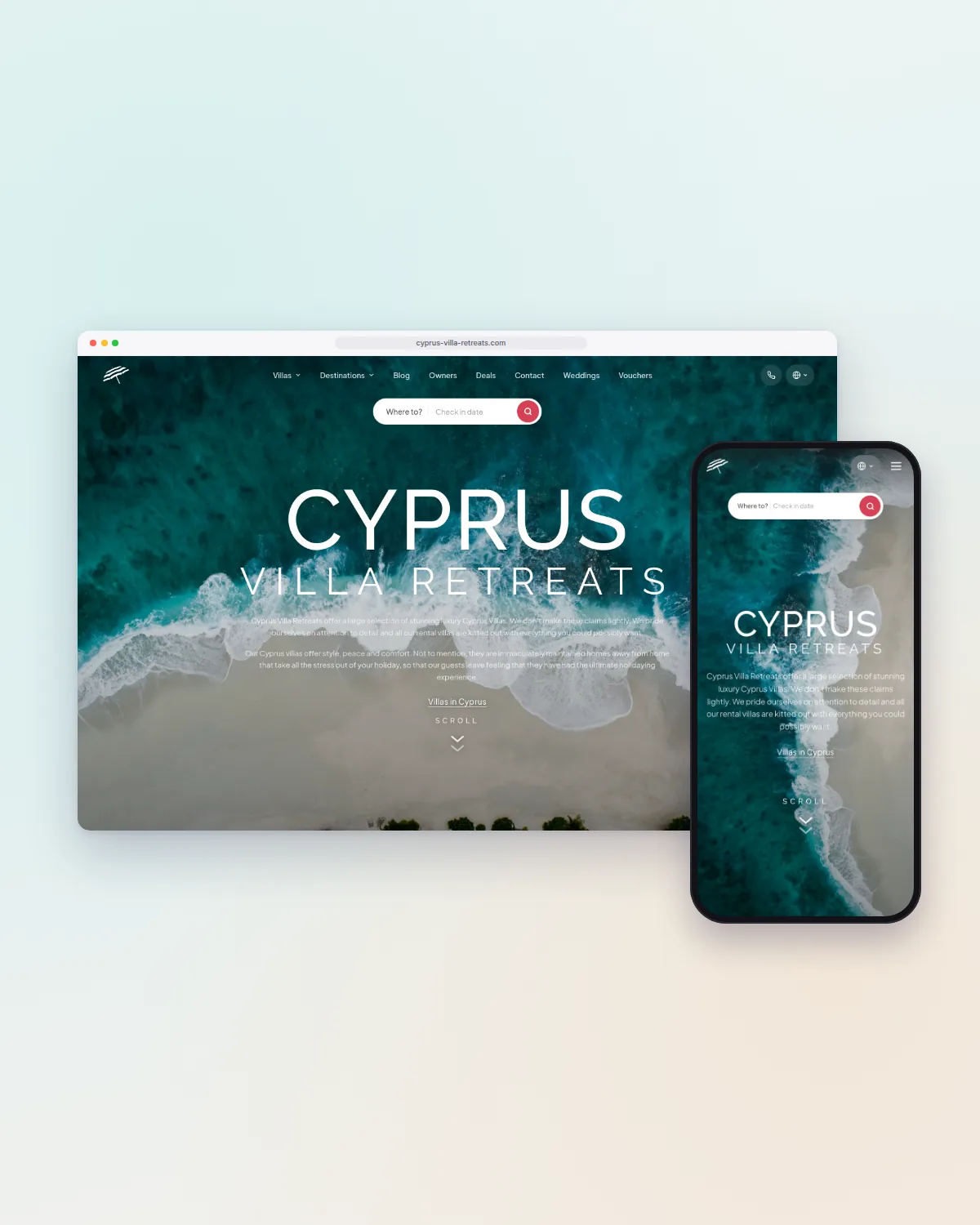 22 staff, from 58PlatformCustom booking and operations platform for Cyprus Villa RetreatsOne custom platform replaced more than 30 software products; the company now runs more than 450 villas with 22 staff, up from 70 villas and 58 staff.Read the case study
  EUR 45k cash released from slow stockRetailLive SAP mirror and replenishment tool for a stationery retailerA live mirror of the SAP database with a replenishment engine and an AI dashboard cut stock-outs on fast-moving lines from 8% to under 1%.Read the case study
  5x systems installed a monthEnergyAutomated quoting and grid application platform for a solar installerSatellite roof surveys, bill reading, and grid-rule checks produce a priced quote in ten minutes; the installer now fits five times as many systems.Read the case study
 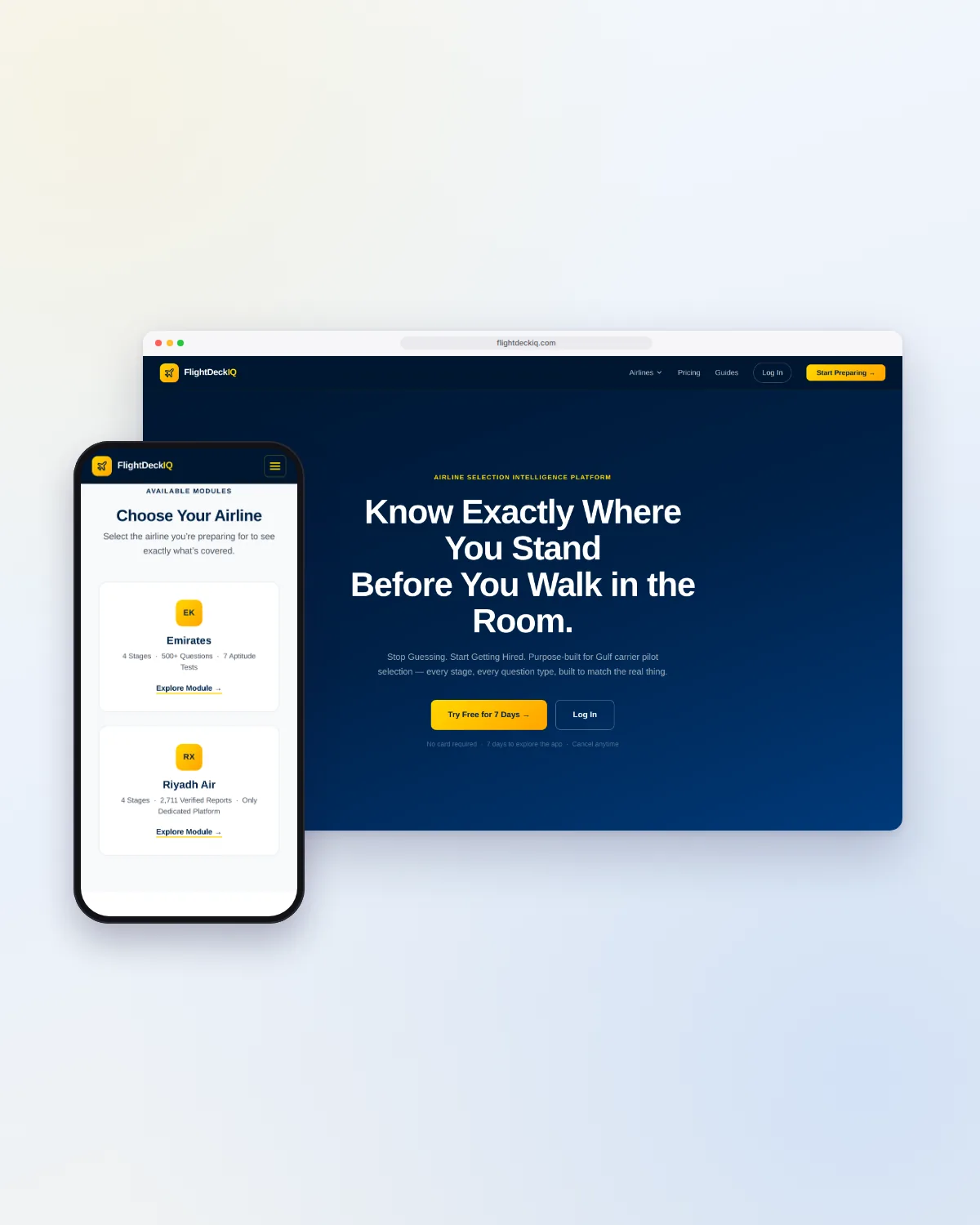 500+ practice questions in the first moduleProductAssessment preparation platform for commercial airline pilotsZingZee's own product combines study modules with seven aptitude test simulators built on the real selection process of each airline it covers.Read the case study
 Frequently asked questions
Straight answers on Next.js work with ZingZee.