React Development Services
React interfaces built for platforms that run a business
ZingZee builds React front ends for booking, operations, warehouse and finance platforms, most of them served through Next.js with TypeScript throughout. Engineers in Cyprus and across the globe deliver each interface in five phases, from assessment to scale.
- Cyprus, engineers across the globe
- Five-phase delivery
- Typed, tested, handed over

What React is
ZingZee's React development services cover the design, build, and support of web interfaces written in React, the interface library maintained by Meta and used by most large web platforms. React lets engineers describe a screen as a set of components, such as a booking form, a price table, or an approval button, each written once and reused wherever it appears. When the data behind a component changes, React redraws only the part of the screen that changed. For a business owner, React is the reason a modern web platform feels immediate, shares one look across every screen, and can be extended by any of a large pool of engineers.
What we do with React
React is the interface library behind most of what ZingZee ships. It renders the booking pages, staff apps and owner portals of the villa platform in the case studies, and the dashboards that sit over ERP and SAP data for retail and distribution clients. ZingZee's engineers write React as typed components, tested in isolation and again at the level of the screen a user sees.
Most React work is delivered through Next.js, so that pages render on the server, are indexed in full by search engines and load quickly on a phone with a weak signal. Where a client already runs a React single-page application, the team works inside it: adding features, migrating state, or bringing an older codebase onto current React and TypeScript.
Interfaces are built against the real data model from the first sprint, so each layout is tested with the worst-case record early: the villa with 400 fields, the invoice with several VAT rates, the pick list of 200 lines. Every screen draws on one shared component set, so a table and a form behave the same way wherever they appear.
A React front end is handed over with a documented component library, automated tests and a build pipeline the client's own team can run. Support after go-live continues under the same framework.
React interfaces built for platforms that run a business
Why React
Component reuse across a platform
A booking form, a payment step and an approval button are written once and used in the guest site, the staff app and the owner portal. One fix reaches every screen.
Server rendering through Next.js
React with Next.js renders on the server, so a page is indexed in full by search engines and is readable before the JavaScript bundle arrives.
Typed with TypeScript
Every prop, API response and state object is typed, so an API change breaks the build rather than the page in production, and the handover reads as documentation.
A mature ecosystem
Routing, data fetching, forms, tables and testing tools are maintained by large communities, so a client never depends on one supplier for a library.
Hiring and continuity
React is the most widely used interface library, which leaves the client free to hire in-house or change supplier without a rewrite.
When React is the right choice
React is the right choice for a platform with many screens that share the same parts: a public site, a staff app, and an owner portal that all show bookings, prices, and documents in the same way. It suits teams that expect to change the interface often, because a component changed in one place changes everywhere, and it suits companies that want to hire freely, because React is the most widely known interface library. Paired with Next.js, it also suits any public site where search ranking matters, since pages render on the server. ZingZee recommends React through Next.js for most new platforms in its strategic assessment.
When React is the wrong choice
React is the wrong choice for a content site with no interactive screens, where a static site generator or a content management system produces the same result with less to maintain. It is the wrong choice inside an organisation whose team has invested years in Angular or Vue, where a second framework adds cost without benefit. It is also the wrong answer to a slow platform whose delay sits in the database, since a rewritten interface waits on the same query. ZingZee's assessment states which case applies before any React work is proposed.
Use cases
Booking and e-commerce front ends
Search, live availability, pricing and checkout on real data, ending in a card hold or a bank transfer.
React development services
ZingZee provides.
New React front ends for business platforms
ZingZee designs and builds complete React interfaces for booking, operations, warehouse, and finance platforms, served through Next.js with TypeScript throughout. Each screen is built against the real data model and tested with the worst-case records.
React work inside an existing application
Where a company already runs a React single-page application, ZingZee's engineers add features, migrate state management, upgrade React and its dependencies, and raise test coverage while the application stays in production.
Migration of older interfaces to React
jQuery pages, server-rendered templates, and AngularJS screens are rebuilt as React components one section at a time behind the existing URLs, with redirects and rankings tested before each cutover.
Component libraries and design systems
ZingZee builds one documented component set per platform, so tables, forms, and buttons behave the same on every screen. The client's team extends the library after handover without a designer on every change.
React performance and search work
Server rendering, code splitting, image handling, caching rules, and Core Web Vitals are measured and tuned on the live routes, so public pages index in full and load before the JavaScript arrives.
React development scope
Deliverables
A working React front end in the client's repository, with the screens, routes, roles, and the API contract behind them, released to production and in daily use by the end of the engagement.
Included as standard
A documented component library, unit tests on the components, end-to-end tests on the main paths, a deployment pipeline, environment configuration, a README with a runbook, and a recorded handover session for the client's developers.
Environments and hosting
ZingZee sets up staging and production on a dedicated server or the client's managed host and runs both until handover. The hosting contract and the domain are held in the client's name.
Priced separately
Back-end and database work, design of a brand system from scratch, additional languages after launch, and native apps that reuse the codebase are scoped and quoted as their own items.
What the client provides
Access to the existing API or the systems the screens read, the brand guide and any existing designs, test devices, a person who can approve each release, and the content for public pages.
Outside the engagement
Hosting contracts, domain registration, third-party service subscriptions, stock imagery, copywriting, and translation of content are the client's, though ZingZee specifies each one and connects it once it is in place.
How a React project with ZingZee runs
A React project with ZingZee runs through the five-phase delivery framework. The strategic assessment lists the screens, the roles, the records behind each screen, and the devices in use, and produces a build order with the framework decision written down. The AI roadmap fixes the order of delivery. Integration and deployment builds the screens against the live API and takes each release into daily use. Adoption and enablement trains the people who will use and maintain the interface. Governance, optimisation and scale keeps speed, rankings, and error rates under review after go-live. Each phase opens with a scoping workshop and closes with a hardening workshop, where the release is tested with worst-case records on the client's devices, and a delivery workshop, where staff sign it off.
- Strategic assessment
- AI roadmap
- Integration and deployment
- Adoption and enablement
- Governance, optimisation and scale
Industries where ZingZee applies React
ZingZee has applied React in travel and hospitality, where the booking pages, staff app, and owner portal of a villa rental company run on it; in financial services, where an accounting system's live profit and loss screens are React components; in retail and distribution, where a warehouse dashboard over an SAP mirror refreshes within seconds; in insurance, where a policy-checking tool shows a broker the extracted facts beside the source page; and in aviation training, where an assessment product's analytics are built in React.
React tooling
ZingZee's React work uses one set of tools on every project, so a client who reads about React can expect the same on the next screen. The tooling covers:
- React with Next.js for server rendering, routing, and API routes
- TypeScript with strict compiler settings on every component and API contract
- Tailwind for styling, with one design token file per platform
- React Testing Library for components and Playwright for end-to-end tests in a browser
- Storybook or an equivalent catalogue for the documented component library
- Lighthouse and Core Web Vitals measured on live routes before and after each release
React engineering practices
Every component is typed, so an API change breaks the build and never the page in production. Screens are built against the real data model from the first sprint, and the worst-case record is a test fixture. Components are tested in isolation, screens are tested end to end against the real API, and a release goes live only when the suite passes. State is kept on the server wherever it can be, so the browser holds less and the page recovers from a refresh. At handover the client receives the repository, the documented component library, the tests, the build pipeline, and a written runbook.
Cost and time for a React front end
The cost of a React front end depends on the number of screens and roles, the number of languages, the systems the screens read and write, and whether an existing application must be kept running. A staff tool with a handful of screens for one team is a matter of weeks. A public booking site in several languages with a portal and a staff app is a matter of months and goes live in phases. Work inside an existing React application is priced after an audit of its version, dependencies, and tests, because the state of the codebase drives the effort. ZingZee provides a written estimate after the strategic assessment and phases the budget to the client's priorities.
What happens next?
You send a description of the screens, the data behind them, and the deadline.
An engineer reads it and replies within two working days with the shape of a strategic assessment.
You sign a non-disclosure agreement if you need one, and you receive a proposal with the phases, the estimate, and the team.
Related case studies.
Real projects, real numbers.
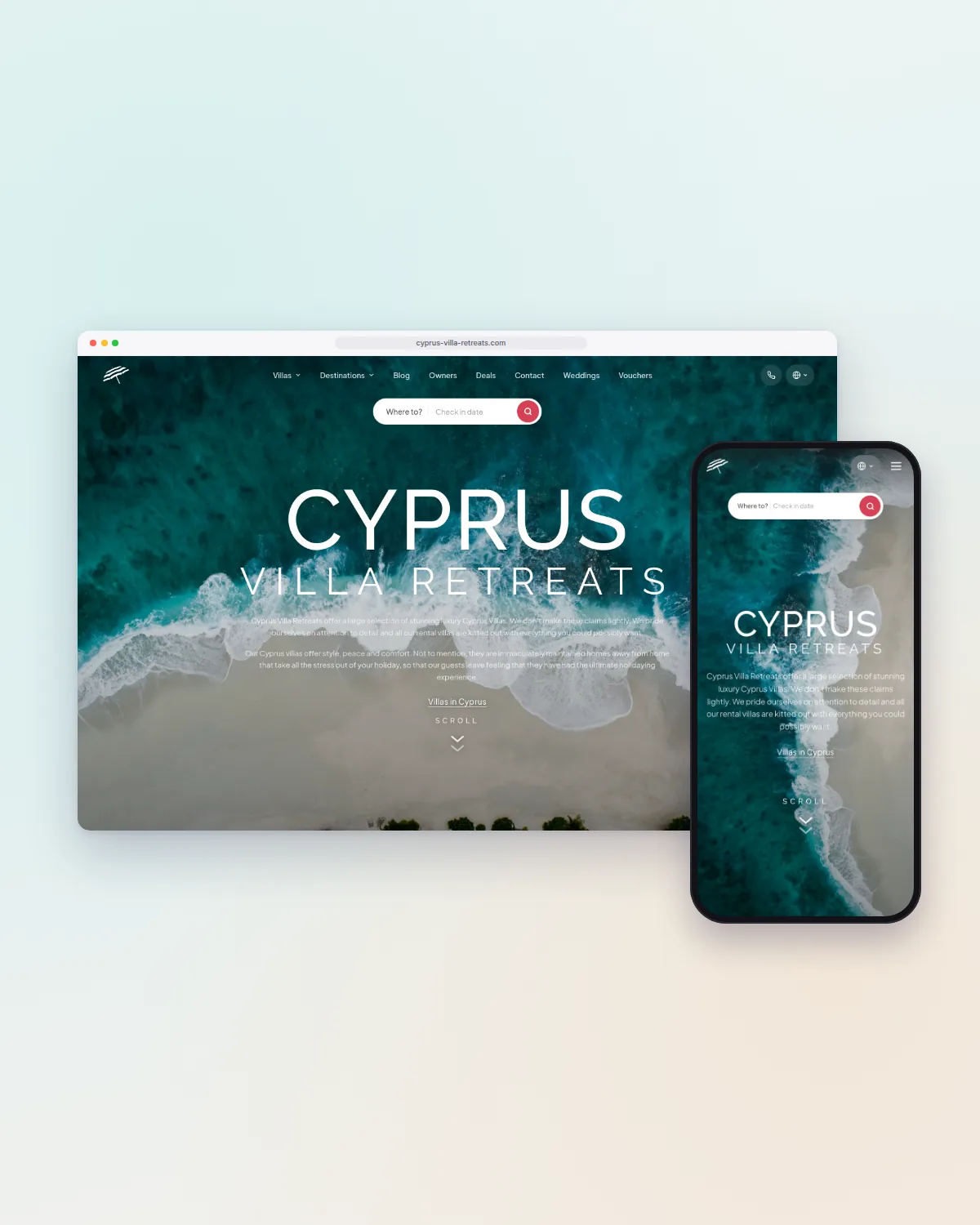 22 staff, from 58PlatformCustom booking and operations platform for Cyprus Villa RetreatsOne custom platform replaced more than 30 software products; the company now runs more than 450 villas with 22 staff, up from 70 villas and 58 staff.Read the case study
  5 min per policy check, from about an hourInsuranceAI insurance policy checking software for a commercial brokerA policy desk reads each schedule and wording, compares the renewal with the expiring cover, and cites every point to its clause; a check now takes five minutes.Read the case study
  EUR 45k cash released from slow stockRetailLive SAP mirror and replenishment tool for a stationery retailerA live mirror of the SAP database with a replenishment engine and an AI dashboard cut stock-outs on fast-moving lines from 8% to under 1%.Read the case study
 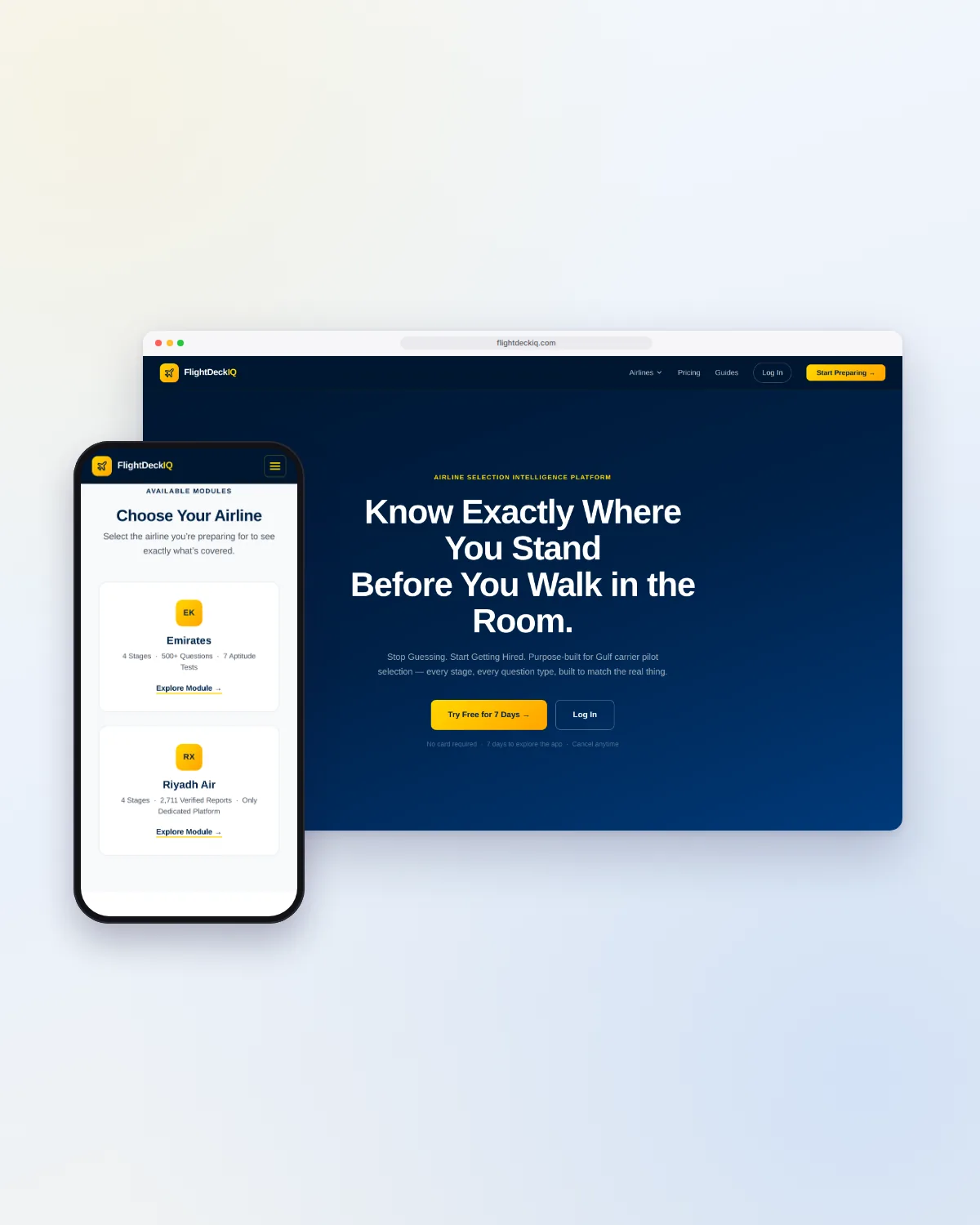 500+ practice questions in the first moduleProductAssessment preparation platform for commercial airline pilotsZingZee's own product combines study modules with seven aptitude test simulators built on the real selection process of each airline it covers.Read the case study
 Frequently asked questions
Straight answers on React work with ZingZee.