UI/UX Design Services
Interfaces that staff and customers use without training
ZingZee's UI/UX design services take a business system, a customer application, or a public website from research to a tested design that developers can build without guesswork. Designers work alongside ZingZee's engineers or inside the client's own team, from Limassol, Cyprus, and every design ships with the specification, the components, and the evidence behind it.
What UI/UX design services cover
UI/UX design services are the research, structure, and visual design work that decides how a piece of software behaves before anyone writes the code for it.
User experience design covers who uses the system, what they are trying to do, and the shortest path to doing it; user interface design covers the screens, the components, the states, and the words that make that path visible. ZingZee provides both as a single service, delivered by designers who sit with the engineers who will build the result, so a design is never handed over as a picture nobody can implement. The work produces artefacts the client keeps: research findings, user flows, wireframes, clickable prototypes, a design system with coded components, and a specification per screen with every state and validation rule. The service is available for a new product, for an existing system whose users complain, and as a designer placed in the client's own team for a quarter or longer, in each case from Limassol, Cyprus.
When design work is
the right investment.
When design work is the right investment
Design work is the right investment when the cost of a confusing interface is measurable: a support desk that answers the same how-to question every day, a checkout or booking flow that loses customers before payment, an internal system that needs a week of training before a new starter can use it, or a mobile application with more uninstalls than reviews. Before a build, a two-week design phase settles the flows and screens and removes the rework that comes from designing in code. Design work also pays for a company whose product is sold on the strength of the interface, such as a customer portal, a booking engine, or a self-service tool, where the buyer compares the experience with the largest platforms in the market. It also suits a company that has developers but no designer, where a design system and a specification let the existing team ship consistent screens without a designer on every ticket.
When a redesign is the wrong answer
A redesign is the wrong answer when the complaint is speed, because a slow system with new screens is still slow, and the fix is in the back end or the hosting. It is the wrong answer when the process the software supports is itself broken, since a cleaner form for a step that should not exist changes nothing; ZingZee's business analysis service resolves that first. A company that cannot give the designers access to real users should wait, because design decided in a meeting room without observation reproduces the assumptions that caused the problem. A redesign is also the wrong choice for a system that will be retired within the year, where the money is better spent on the replacement. The strategic assessment states which of these applies, and where the answer is engineering or analysis, ZingZee says so before a design engagement is proposed.
UI/UX design services ZingZee provides

UX research and discovery
ZingZee's designers interview users, observe them at work, review support tickets and analytics, and map the tasks the software must support. The output is a written set of findings, personas grounded in real people, and user flows that the client's stakeholders sign off before any screen is drawn.
Interface design and prototyping
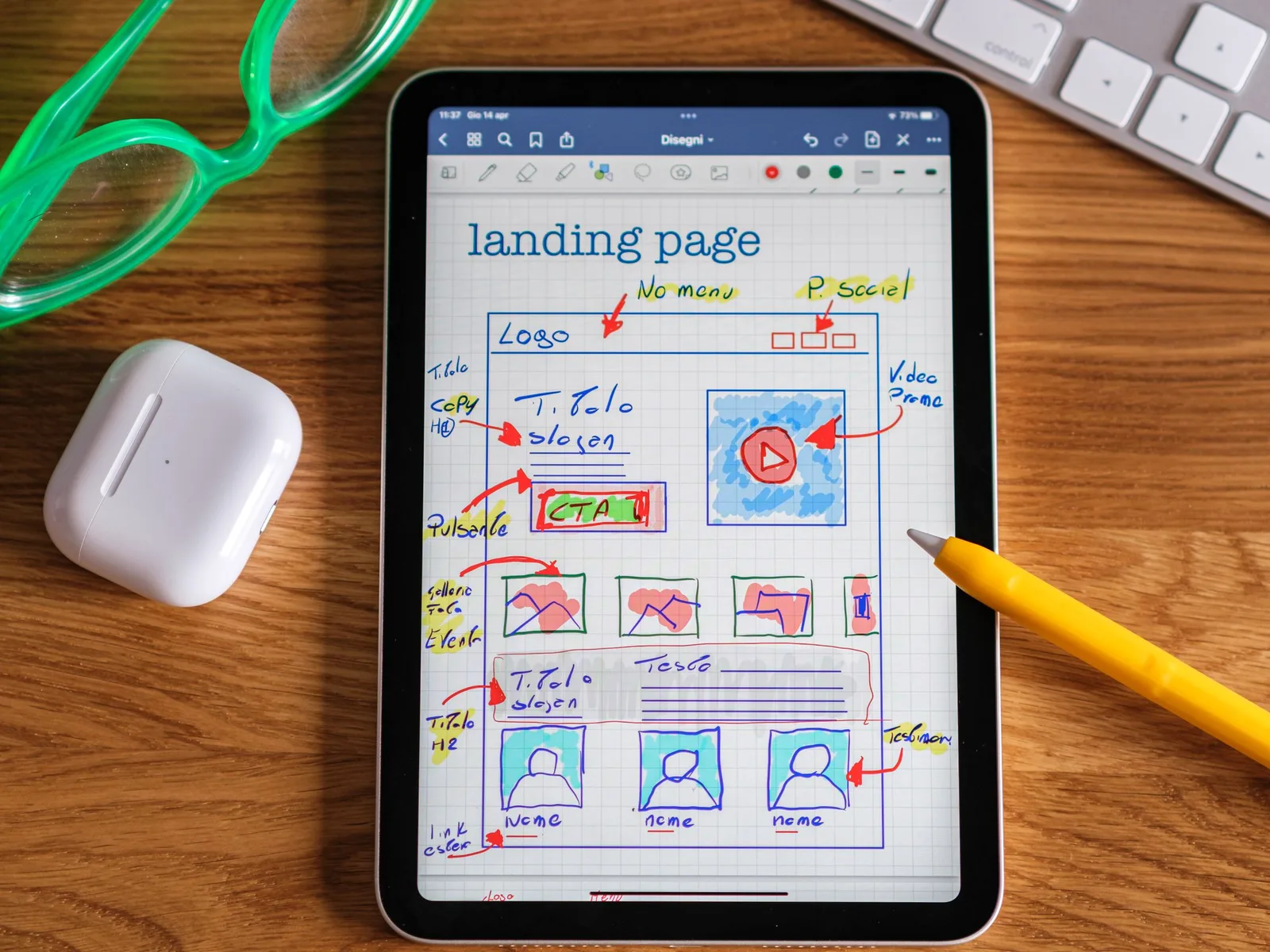
ZingZee designs the screens, components, and states for web and mobile products, from wireframes through high-fidelity design to a clickable prototype that users test before the build starts. Each screen ships with a specification of its states, validation rules, and copy.
Design systems
ZingZee builds a design system for the client's product: colour, type, spacing, and a component library in the design tool and in code, with documentation on when to use each component. The client's developers apply it to every new feature without a designer on each ticket.
UX audits and redesign
ZingZee reviews an existing system against its users' tasks, accessibility standards, and platform conventions, ranks the problems by their cost to the business, and redesigns the screens that cause the most support load, abandonment, or error, with the ranking as the plan.

Usability testing
ZingZee tests prototypes and live products with real users on scripted tasks, records completion rates, time on task, and errors, and reports what to change. Testing runs before a build to catch problems cheaply and after a release to measure the result.
Use cases


Cut the support tickets an internal system generates
A UX audit ranks the screens behind the most tickets, the top five are redesigned and tested with staff, and the support desk reports the ticket count per screen before and after.
Raise completion in a booking or checkout flow
Designers observe customers abandoning the flow, redesign the steps that lose them, test the prototype, and the client measures conversion on the new flow against the old.
Give a development team a design system to build from
A component library in the design tool and in code, with rules for its use, lets a team without a designer ship consistent screens and stops every new feature looking different.
Design a mobile application before the build is priced
A two-week design phase produces the flows, the screens, and a tested prototype, so the build estimate is based on agreed screens and the developers start from a specification.
Make a public sector or regulated interface accessible
An accessibility audit against WCAG identifies the failures, the components are redesigned to pass, and the result is tested with assistive technology before release.
How a design engagement with ZingZee runs
A design engagement with ZingZee runs through the five-phase delivery framework. The strategic assessment reviews the existing product or the brief, reads the analytics and the support tickets, interviews a first group of users, and states the problems in order of their cost to the business. The AI roadmap for a design engagement is the design plan: which flows are designed first, which screens are tested with users, what the design system must cover, and how the work feeds the build calendar. Integration and deployment is the design production itself: wireframes, high-fidelity screens, the prototype, the usability test, the specification per screen, and the handover to the engineers, with revisions agreed at each review. Adoption and enablement trains the client's developers and product staff on the design system and the specification format, so new features follow the same rules after ZingZee's designers step back. Governance, optimisation and scale measures the result in the live product, through completion rates, support load, and task time, and schedules the next round of design against what the numbers show. Where the designers work inside the client's own team, the same phases apply with the client's product owner setting the priorities.
Strategic assessment
We assess how the business operates today: its processes, its data and the systems it runs on. From that we identify the use cases with the highest return and confirm the organisation is ready to adopt them, so the programme starts from a defined baseline.
AI roadmap
Findings become a phased roadmap that balances early wins with the longer build. ZingZee sets the milestones, the resourcing and the governance that keep delivery on schedule and aligned to business objectives.
Integration and deployment
Our engineers develop, validate and deploy the solution into your production environment, integrated with the enterprise systems you already run and sized for the workloads it will carry.
Adoption and enablement
Enablement programmes prepare business users and technical teams to work with the new capability, and structured change management ensures the organisation captures the full value of what has been deployed.
Governance, optimisation and scale
Ongoing governance, monitoring and optimisation keep the solution accurate, compliant and performing. Proven solutions are then scaled across departments and regions under the same data governance standards.
UI/UX design engagement scope
Deliverables
Research findings, user flows, wireframes, high-fidelity designs, a clickable prototype, a design system in the design tool and in code where agreed, a specification per screen, and usability test reports, all held in the client's accounts.
Deliverables
Research findings, user flows, wireframes, high-fidelity designs, a clickable prototype, a design system in the design tool and in code where agreed, a specification per screen, and usability test reports, all held in the client's accounts.
Included as standard
Stakeholder and user interviews, a review of analytics and support data, two rounds of revision per screen, a usability test of the prototype, developer handover sessions, and answers to the engineers' questions during the build phase.
Access and approvals
The client provides access to real users for research and testing, to analytics and support tooling, and to the codebase where a coded component library is agreed, and names the person who approves each design milestone.
Priced separately
Brand identity and logo work, marketing websites and campaign assets, illustration and motion, recruitment of external test participants, and the front-end build of the designs where ZingZee's engineers are not already engaged are scoped and quoted as their own items.
What the client provides
Five to eight users per research round, a decision-maker who attends the design reviews, existing brand guidelines, the business rules behind each screen, and content or data samples so designs are tested with real values.
Outside the engagement
Copywriting beyond interface text, legal review of consent and privacy wording, print and packaging design, and ongoing content production are outside a design engagement unless agreed in writing.
UI/UX design tooling
ZingZee's designers work in a standard toolset and hand over files the client's own designers and developers can open. The standard set covers:
- Figma for wireframes, high-fidelity design, prototypes, and the component library
- A coded component library in React, Next.js, or the client's front-end framework
- Moderated and unmoderated usability testing with screen and task recording
- Analytics and session replay for measuring flows before and after release
- Accessibility checkers and assistive technology for WCAG testing
- A specification per screen with states, rules, and copy, kept beside the designs
Interfaces that staff and customers use without training
Industries where ZingZee has designed products
ZingZee has designed products in travel and hospitality, where the booking flow, owner portal, and housekeeping app of a villa rental platform were designed and tested with guests, owners, and cleaning staff before the build; in retail, where a stock and order interface for shop and warehouse staff was designed to be used on the shop floor; in financial services, where an accounting platform's invoice review screens were designed for a team reviewing hundreds of documents a day; and in aviation training, where a spoken-answer assessment tool was designed for instructors and trainees. The same service is offered to healthcare, real estate, logistics, public sector, and iGaming companies in Cyprus and across Europe, for web, mobile, and internal systems .
UI/UX design practices
Every design decision at ZingZee is traced to a finding: an interview, an observation, a support ticket count, or an analytics figure, and the finding is written beside the design so a stakeholder can see why a screen is the way it is. Designs are tested with real users before they are built, and the test records completion rate, time on task, and errors so the result is a number and a recording. Each screen ships with every state designed, including empty, loading, error, and permission-denied, and with the validation rules and copy in a specification the developer follows. Components are built once in the design tool and once in code, and the two are kept in step so the live product matches the design file. Accessibility is checked against WCAG at the design stage and again in the build, and interface copy is written in the client's own terms, using the words staff and customers already use. Designers attend the engineers' reviews during the build and sign off each screen against the design before release.
Cost and time for UI/UX design
The cost of UI/UX design depends on the number of flows and screens, the depth of research, and whether a design system is built in code as well as in the design tool. The number of user testing rounds and the designers' support during the build also count. A UX audit of an existing system with a ranked list of problems takes two to three weeks. The design of a new product with research, prototype, and testing runs from four to ten weeks depending on the number of flows, and a design system adds two to four weeks on top. A designer placed in the client's own team is priced as a monthly rate with a notice period. ZingZee provides a written estimate after the strategic assessment and phases the work so the first screens reach the developers while later flows are still in design.
What happens next?
You send a description of the product, its users, and the problem you see: support load, abandonment, training time, or a build about to start.
A designer reads it and replies within two working days with the shape of an assessment.
You sign a non-disclosure agreement if you need one, and you receive a proposal with the flows, the phases, the estimate, and the people.
Request a free UI/UX design consultation
Send the product, its users, and the problem you see. A designer replies with the shape of an assessment, the flows to start with, and the estimate.
Or call +357 26 022564
Your details are used to respond to this enquiry, as our privacy policy explains. Privacy policy
Frequently asked questions
Straight answers on UI/UX design work with ZingZee.