DevOps Services
DevOps services that make a release a routine event
ZingZee's DevOps services give a platform a deployment pipeline that builds, tests, and releases every change the same way, infrastructure defined in code, monitoring that reaches a named person, and a rollback that has been rehearsed. The service runs on the public cloud, on a dedicated server, or on the client's own hardware, and it is delivered through the five-phase delivery framework.
What DevOps services cover
DevOps services are the engineering work that takes a change from a developer's machine to production safely and repeatably: the pipeline that builds and tests every commit, the infrastructure described in code so a server can be rebuilt from a file, and the monitoring and alerting that tell a named person when something is wrong, and the release and rollback procedures that make every deploy follow the same steps.
ZingZee's DevOps services put this discipline around platforms it builds and platforms it inherits, on a public cloud account held in the client's name, on a dedicated server in a chosen country, or on hardware in the client's building or ZingZee's own facility in Cyprus. For a business owner, the outcome is a system that can be changed weekly, restored from backup within a known time, and run by a team that follows a runbook, with no single person holding the knowledge of how production works.

DevOps services that make a release a routine event
Industries where ZingZee applies DevOps
ZingZee has applied DevOps services in travel and hospitality, where a booking platform that takes payments releases through a pipeline with a deploy log, a build-to-success gate before any service restart, and a single deploy lane so two changes cannot collide; in retail and distribution, where a live mirror of an ERP runs on a cloud server with nightly verification and alerts on a dropped feed; in financial operations, where an accounting platform's month-end depends on a backup that has been restored on schedule; and in private AI work, where models run on GPU servers in ZingZee's own facility in Cyprus with the same monitoring and release discipline. The same practice is offered to healthcare, logistics, and public bodies whose systems must show how a change reached production.
DevOps services ZingZee provides

CI/CD pipeline design and build
ZingZee builds the pipeline that takes every change through the same steps: build, automated tests, security checks, a staging deploy, and a production release with a rollback ready. The pipeline lives in the client's repository, runs on every commit, and blocks a change that fails any step.

Infrastructure as code
ZingZee describes every server, network rule, database, and service in code that is versioned, reviewed, and applied by the pipeline, so an environment can be rebuilt from a file and a change to production is a change someone approved. The same definitions create the test and staging environments.
Monitoring, alerting, and incident response
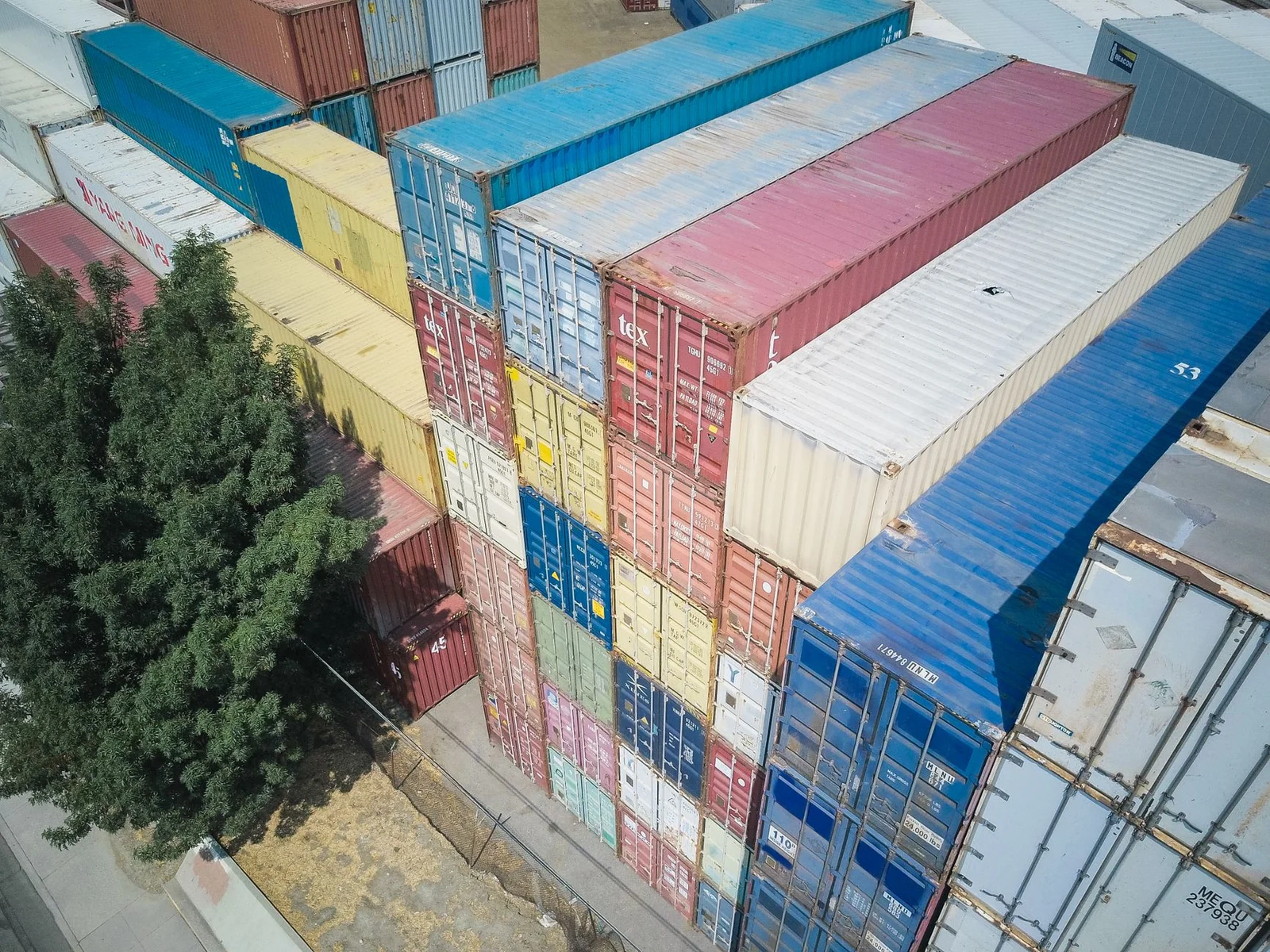
ZingZee instruments the platform for uptime, errors, response times, queue depths, and resource use, sets thresholds that reflect the business, and routes alerts to a named person with a runbook for each one. Incidents are logged, reviewed, and closed with a change that stops the repeat.
Backups, restore, and disaster recovery
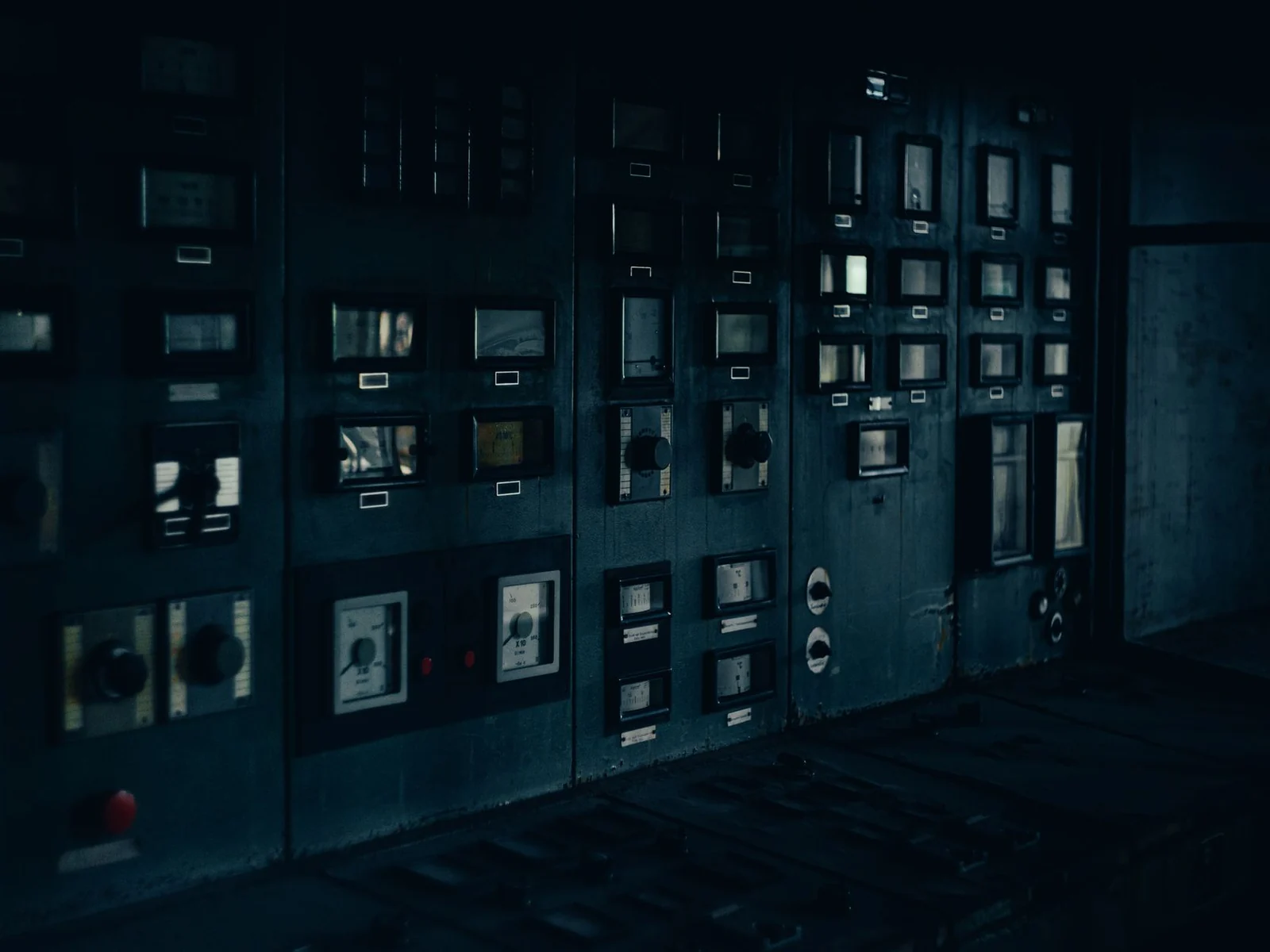
ZingZee schedules backups of every database and file store, tests the restore on a timetable, and records the time each restore took. The recovery procedure is written down, rehearsed, and updated when the platform changes, so the time to restore is a measured figure the board can rely on.

Platform hosting and cost management
ZingZee provisions and operates the platform on the public cloud, on dedicated servers, or on the client's own hardware, sizes it to the measured load, and reviews the bill each month. Cloud accounts are held in the client's name, and every resource is tagged to the system that uses it.
When DevOps services are
the right choice.
When DevOps services are the right choice
DevOps services are the right choice when releases are rare and manual, and each deploy depends on one engineer typing commands from memory on a live server. They are the right choice when the company cannot say how long a restore from backup would take, when the last outage was reported by a customer before it was noticed by the team, or when a new environment for testing takes days to set up by hand. They suit a platform that is growing in traffic or in team size, where several developers now change the same system and need a pipeline to keep their work from colliding. They also suit a business preparing for a security review or a payment provider audit that asks how changes reach production and who approved them. The strategic assessment records the current release path, the time to restore, and the gaps between them and the target.
When a DevOps programme is the wrong answer
A DevOps programme is the wrong answer when a platform is a single application with a handful of users and one developer, because a managed hosting service with automatic deploys and daily backups covers the need for a monthly fee. It is the wrong answer when the release problem is a product problem, where changes fail in production because nobody agreed what they should do, since a faster pipeline ships the wrong change sooner. The same applies to a team that will not adopt the discipline, because a pipeline that engineers bypass with direct access to production changes nothing about the risk. ZingZee's strategic assessment states which case applies, and where a managed service is the right answer, the proposal says so and specifies the configuration.
Use cases
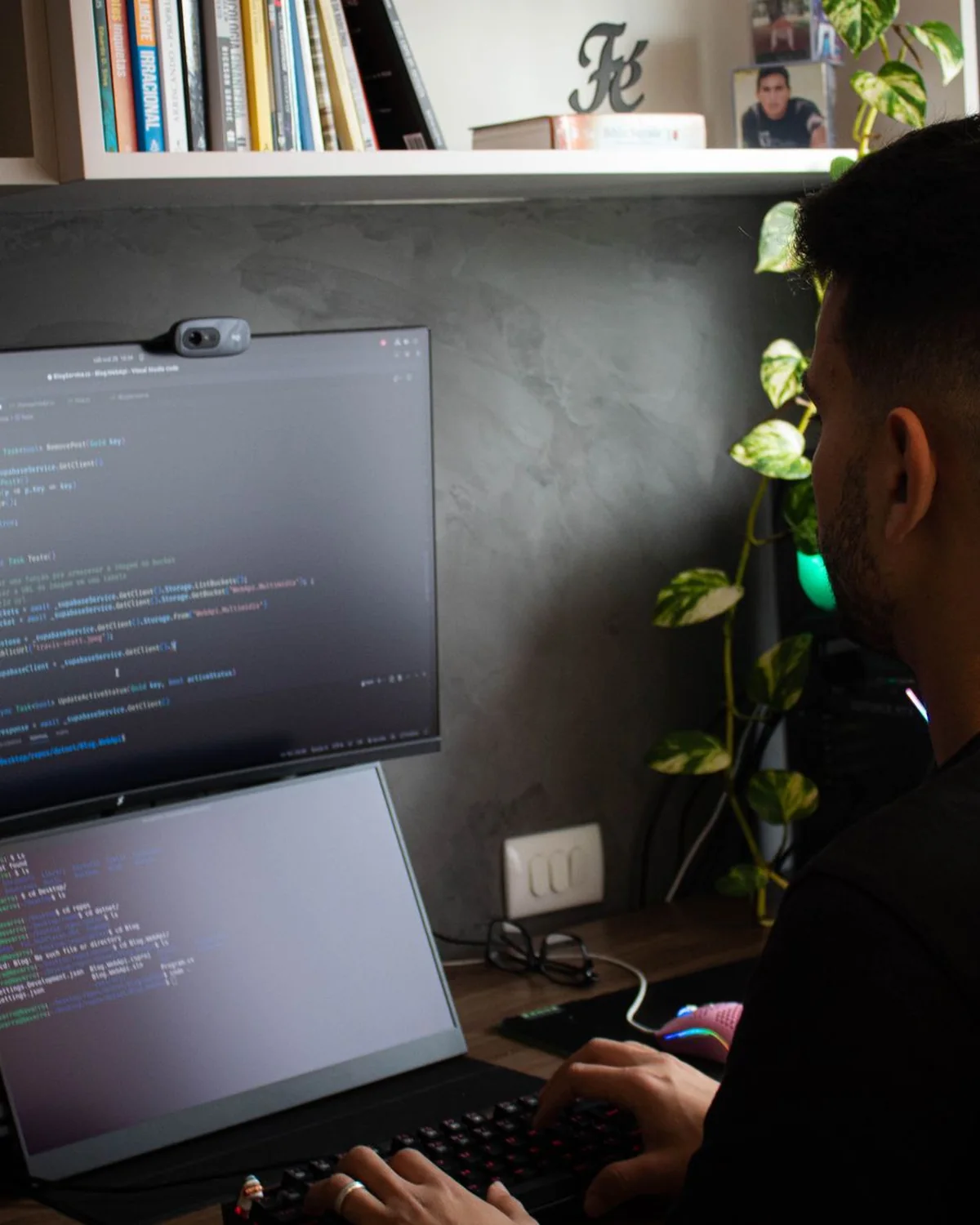
A platform that was deployed by hand every few months, each time with a weekend of fixes, gains a pipeline with automated tests and a staging environment, so changes ship weekly with the same steps every time and the release is signed off from the test report.

A server built by hand over several years, with nobody sure which packages it depends on, is described in infrastructure code, rebuilt from that code in a test environment, compared with the original, and then replaced, so the next rebuild is a routine task.

A business that could not say how long a restore from backup would take gains scheduled backups, a restore rehearsed each month against a copy of production, and a written figure for the time to recover that the board and the insurer can read.
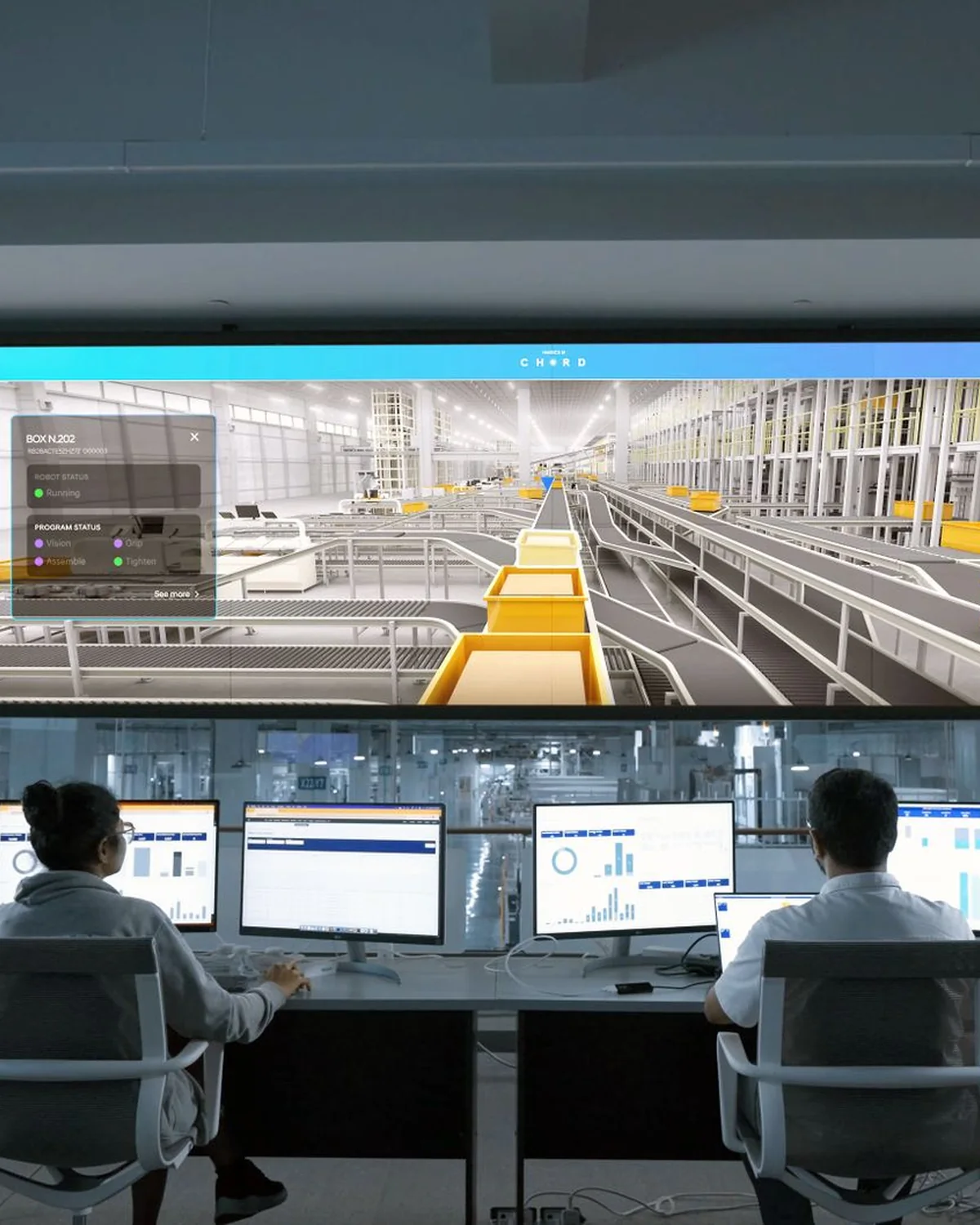
A platform whose outages were reported by customers gains uptime checks on every public route, error tracking on every service, and thresholds on the queues and databases behind them, with each alert routed to a named person and a runbook for the first ten minutes.

A cloud account that grew resource by resource, with instances nobody could name, is tagged, measured for a month, and sized to the load it carries, with idle resources retired and the monthly bill reviewed against the traffic it served.
DevOps engagement scope
Deliverables
The deployment pipeline in the client's repository, the infrastructure code for every environment, the monitoring and alerting configuration, the backup and restore procedure with its rehearsal log, and a runbook, all in use for live releases by the end of the engagement.
Deliverables
The deployment pipeline in the client's repository, the infrastructure code for every environment, the monitoring and alerting configuration, the backup and restore procedure with its rehearsal log, and a runbook, all in use for live releases by the end of the engagement.
Included as standard
A staging environment built from the same code as production, a rollback procedure executed at least once in test, alert routing to named people, a deploy log that records who released what and when, secrets held outside the codebase, and a recorded handover session for the client's engineers.
Environments and hosting
ZingZee provisions test, staging, and production on the client's cloud account, on dedicated servers in a chosen country, or on hardware in the client's building or ZingZee's facility in Cyprus, and operates them until handover. Every account and contract is held in the client's name.
Priced separately
Migration of a platform from one provider to another, a security hardening programme to a named standard, ongoing operation of the platform after handover, and changes to the application code that the pipeline exposes are scoped and quoted as their own items.
What the client provides
Administrative access to the current servers, cloud accounts, and repositories, the people who deploy the system today for interviews, the business thresholds for alerts, the recovery time the business needs, and a person who approves the first production release through the pipeline.
Outside the engagement
Cloud and hosting subscriptions, hardware purchases, monitoring and error-tracking tool fees above the free tiers, and domain and certificate renewals are the client's to hold. ZingZee sets each account up in the client's name and documents the renewal dates in the runbook.
DevOps tooling
ZingZee uses one DevOps toolset across every platform it builds or operates, so a client's engineers learn one pipeline and one way of reading an alert. The tooling covers:
- Git-based pipelines that build, test, and deploy on every commit from the client's repository
- Infrastructure as code for servers, networks, databases, and services, applied only through the pipeline
- Containers and service units for repeatable deployment on cloud instances and on owned hardware
- Uptime checks, error tracking, and metrics dashboards with thresholds set to the business
- Scheduled backups with restore rehearsals logged against a target recovery time
- A secrets store outside the codebase, with access per environment and per role
- A deploy log that records every release, the person who approved it, and the rollback point
How a DevOps engagement with ZingZee runs
A DevOps engagement with ZingZee runs through the five-phase delivery framework. The strategic assessment records how a change reaches production today, who can do it, how long a restore takes, what is monitored, and what the last three incidents cost, and sets the targets for release frequency, time to restore, and time to detect. The AI roadmap orders the work by risk, so backups and restore come before the pipeline where a platform has neither, and fixes the environments and the hosting decision. Integration and deployment builds the pipeline, writes the infrastructure code, stands up staging from it, wires the monitoring, and runs the first production releases through the new path with a rollback ready. Adoption and enablement trains the client's engineers to use and extend the pipeline and the operators to respond to alerts from the runbook. Governance, optimisation and scale reviews release frequency, incidents, cost, and capacity each month and adjusts the platform as traffic and the team grow. Each phase opens with a scoping workshop and closes with a hardening workshop, where the rollback and the restore are rehearsed, and a delivery workshop, where the client's team runs a release and signs it off.
Strategic assessment
We assess how the business operates today: its processes, its data and the systems it runs on. From that we identify the use cases with the highest return and confirm the organisation is ready to adopt them, so the programme starts from a defined baseline.
AI roadmap
Findings become a phased roadmap that balances early wins with the longer build. ZingZee sets the milestones, the resourcing and the governance that keep delivery on schedule and aligned to business objectives.
Integration and deployment
Our engineers develop, validate and deploy the solution into your production environment, integrated with the enterprise systems you already run and sized for the workloads it will carry.
Adoption and enablement
Enablement programmes prepare business users and technical teams to work with the new capability, and structured change management ensures the organisation captures the full value of what has been deployed.
Governance, optimisation and scale
Ongoing governance, monitoring and optimisation keep the solution accurate, compliant and performing. Proven solutions are then scaled across departments and regions under the same data governance standards.
DevOps engineering practices
Every change ZingZee ships reaches production through the pipeline, and direct changes to a live server are treated as incidents to be reversed and understood. A build must complete and pass its tests before any service is restarted, so a failed build never takes a running system down. One release moves at a time per platform, and the deploy log records who released what, when, and from which commit. Infrastructure changes are code reviews, applied by the pipeline from a versioned file, and a server that cannot be rebuilt from code is a risk on the register until it can. Restore is rehearsed on a timetable and the time is recorded. Alerts carry a runbook, reach a named person, and are reviewed after each incident so the same failure raises a better alert next time. Secrets live in a store outside the codebase, and cloud accounts, domains, and certificates are held in the client's name.
Cost and time for DevOps services
The cost of DevOps services depends on the number of environments and services, the state of the current release path, whether infrastructure must be reverse-engineered from hand-built servers, the monitoring and recovery targets the business sets, and the hosting choice. A pipeline with automated tests, a staging environment, and monitoring on a single platform is a matter of weeks. A full programme across several services, with infrastructure rebuilt as code, a rehearsed disaster recovery procedure, and a migration to new hosting, is a matter of months and is delivered service by service, with backups and restore first. Ongoing operation after handover is priced per month against a service level agreed in the assessment. ZingZee provides a written estimate after the strategic assessment and phases the budget to the client's priorities.
What happens next?
You send a description of the platform, how a change reaches production today, where it is hosted, and the last outage you remember.
An engineer reads it and replies within two working days with the shape of a strategic assessment and the first risks it will address.
You sign a non-disclosure agreement if you need one, and you receive a proposal with the phases, the estimate, and the team.
Get a free DevOps consultation
Send a description of the platform, how a change reaches production today, and where it is hosted. An engineer replies with the shape of a strategic assessment and the first risks it will address.
Or call +357 26 022564
Your details are used to respond to this enquiry, as our privacy policy explains. Privacy policy
Frequently asked questions
Straight answers on DevOps work with ZingZee.