IT Help Desk Services
First-line IT support for your staff, run as a measured service
ZingZee's IT help desk services give a company's staff one place to report a problem and one team that resolves it: password resets, account access, device and application faults, and the escalation of anything deeper to the engineers who own the system. The desk is run from Limassol, Cyprus, by ZingZee's own delivery team and its partner engineers, under a written service level agreement and the five-phase delivery framework.
What IT help desk services are
IT help desk services are the first point of contact between a company's staff and the people who keep its technology working.
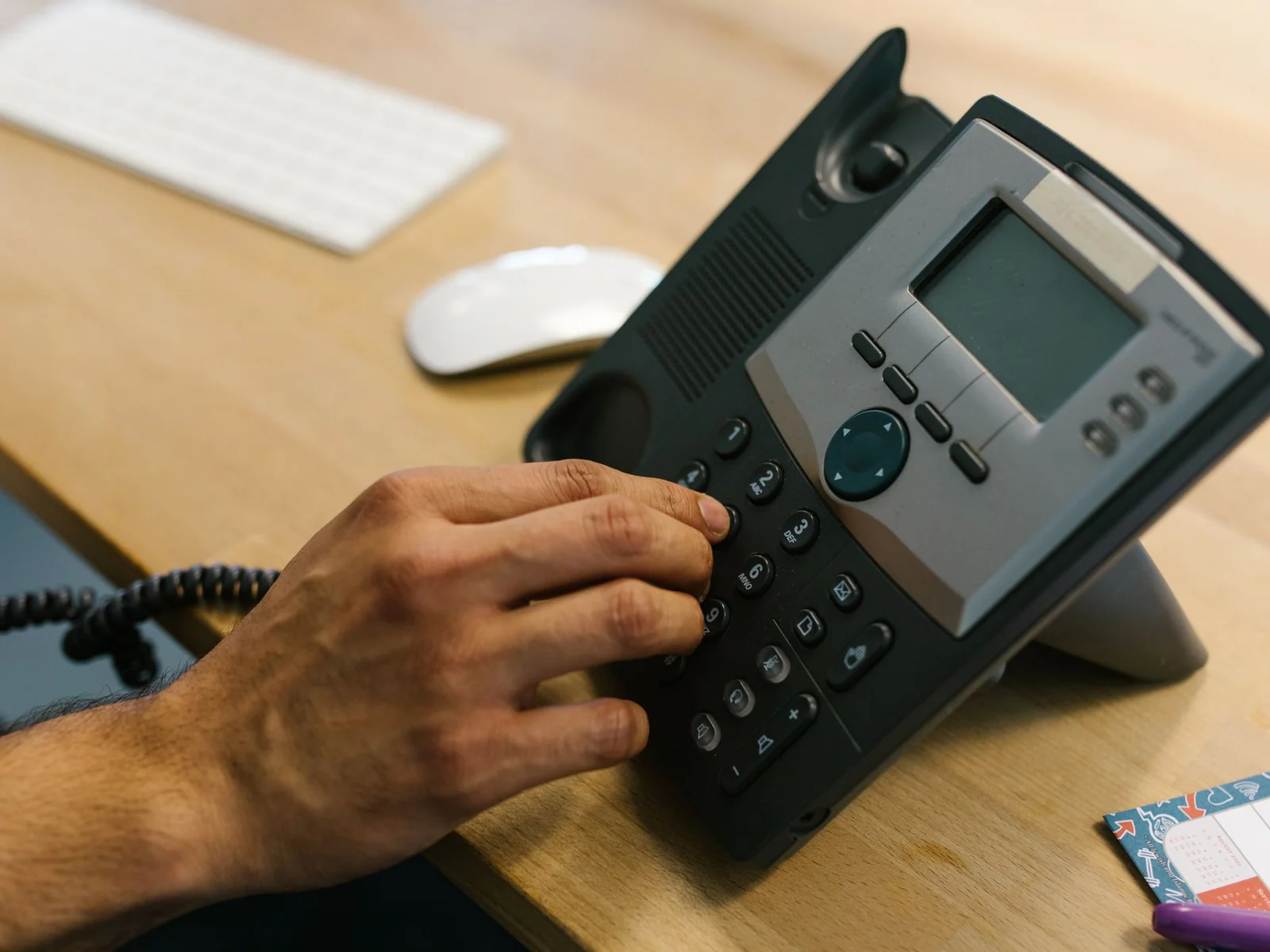
A member of staff who cannot log in, print, or open a shared folder, or who sees an error in the sales system, contacts the desk by phone, email, chat, or a web portal. The desk records the request, resolves it where it can, and passes it to a specialist where it cannot. ZingZee's IT help desk services cover first-line work, such as password resets, account provisioning, and guided fixes, and second-line work, such as diagnosing application faults, repairing user configurations, and coordinating with software vendors. Every request has a priority, an owner, and a target, and the company receives a monthly report of volumes, resolution times, and repeat causes. For a business owner, the result is staff who get back to work quickly, an IT team freed from interruptions, and a written record of where the time goes.

First-line IT support for your staff, run as a measured service
Industries where ZingZee runs help desks
ZingZee runs and supports help desks in travel and hospitality, where housekeeping, maintenance, and reservations staff on a villa rental platform reach one desk for access, device, and application questions across a distributed team. It supports retail and distribution, where shop and warehouse staff on a stock and pricing platform report faults through one channel and see them tracked to resolution against the agreed target. It supports professional services and insurance firms, where the joiner and leaver process and the access record carry compliance weight. The same desk shape is offered to logistics operators, clinics, schools, and financial services firms whose staff depend on shared systems every working hour.
IT help desk services ZingZee provides

First-line support for staff
ZingZee's desk takes requests by phone, email, chat, and portal during the agreed hours, records each one with a priority, and resolves password resets, account lockouts, access requests, printing, email, and everyday application questions on first contact. A member of staff receives a ticket reference and a target time set by the priority agreed in the support contract.

Second-line diagnosis and repair
Requests that first-line cannot close pass to engineers who diagnose application faults, repair user profiles and configurations, trace failed integrations, and reproduce defects for the team that owns the code. Each escalation carries the steps already tried, so no one asks the member of staff to start again.

Account and access administration
Joiners, movers, and leavers are handled against a checklist agreed with the client: accounts created with the right roles, mailboxes and shared drives assigned, devices enrolled, and access removed on the day a person leaves. The desk keeps the access record that an auditor or an insurer asks to see.
Escalation to vendors and system owners
Where a fault sits with a software vendor, a telecom provider, or a system ZingZee supports under a separate contract, the desk raises it, tracks it, and reports back to the member of staff. The client's staff have one point of contact, and the desk holds the relationship with every other party.

Knowledge base and reporting
Every resolved request that is likely to recur becomes a short article in a knowledge base the client's staff can search, with guided fixes for the most common ten. The monthly report draws on the same record and names the systems that generate the most work.
When an outsourced help desk is
the right choice.
When an outsourced help desk is the right choice
An outsourced help desk is the right choice when a company has grown to the point where the office manager, the finance lead, or a single technician is answering support questions all day and their own work is slipping. The same applies when staff work across several sites, at home, or in the field, and need one number and one portal wherever they are. Companies with an internal IT team choose it to take first-line volume off engineers who should be building and securing systems, and to gain an evening or weekend cover window without hiring for it. It suits a business rolling out a new platform, when the volume of questions is highest in the first months and a desk holding the platform's runbook resolves the routine ones on first contact. ZingZee's strategic assessment measures the current request volume and its sources, and states which cover model the business needs.
When an outsourced help desk is the wrong choice
An outsourced help desk is the wrong choice when a company of a handful of staff raises a request a week, because a support contract on the systems themselves, with a named engineer, costs less and answers the same questions. Where most requests concern a packaged product whose vendor already runs a competent desk, the right fix is to route staff to that desk and keep a record. A desk is also the wrong answer where the volume comes from one broken system, since closing the same fault repeatedly treats the symptom; ZingZee scopes the repair as its own piece of work and presents the ticket record as the case for it. The strategic assessment states which case applies before a desk is proposed.
Use cases

Requests that used to reach whoever was nearest go to one number and one portal, with a record, a target, and a monthly report from the first month.

Password resets, access requests, and how-to questions are closed by ZingZee's desk, and the internal engineers see only the escalations that need them.
Shop, warehouse, office, and remote staff reach the same desk through the same channels, and the desk resolves faults over a secure remote session where it can.

The desk learns the platform's runbook before go-live, handles the launch-period questions, and feeds the recurring ones back to the build team.

A cover window outside office hours is written into the agreement, so shift and field staff reach the same desk during the hours they work.
IT help desk engagement scope
Deliverables
A staffed help desk reachable by phone, email, chat, and portal during the agreed hours; a ticketing system with priorities and targets visible to the client; a joiner and leaver checklist; a searchable knowledge base; and a monthly report of volumes, resolution times, and repeat causes.
Deliverables
A staffed help desk reachable by phone, email, chat, and portal during the agreed hours; a ticketing system with priorities and targets visible to the client; a joiner and leaver checklist; a searchable knowledge base; and a monthly report of volumes, resolution times, and repeat causes.
Included as standard
First-line and second-line resolution within the agreed targets, account and access administration, escalation to vendors and system owners, secure remote support sessions, the knowledge base articles for recurring requests, and a quarterly review of the ticket record with the client.
Timing and availability
Standard cover runs during the client's business hours in the client's time zone, with a defined out-of-hours path for priority incidents. Extended, weekend, and public-holiday cover is agreed per client and stated in the service level agreement.
Priced separately
Cover outside the standard hours, on-site visits, device procurement and imaging, the repair of systems that generate repeat faults, and support for platforms that require a dedicated engineer are scoped and quoted as their own items.
What the client provides
An inventory of the systems, devices, and accounts the desk will support; administrative access to the identity, email, and device management systems; the joiner and leaver approval path; a named contact for escalations; and notice of changes, such as a new office or a new platform, before they land.
Outside the engagement
Software licences and subscriptions, hardware purchases, telecom and internet contracts, and the vendors' own support agreements are held by the client. ZingZee specifies what each one should cover and works with the vendor's desk when a fault sits on their side.
IT help desk tooling
ZingZee runs every help desk on the same set of tools, so a client who reads about one desk can expect the same on the next. The tooling covers:
- A ticketing system with priorities, targets, and status visible to the client's managers
- Phone, email, chat, and portal channels routed into the same queue
- Secure remote support sessions with the member of staff's consent and a session log
- Identity and device management consoles for account provisioning and enrolment
- A searchable knowledge base with guided fixes for the most common requests
- Monthly reporting on volumes, first-contact resolution, and time to resolve against target
How a help desk engagement with ZingZee runs
A help desk engagement with ZingZee runs through the five-phase delivery framework. The strategic assessment inventories the systems, devices, accounts, and sites, samples the current request volume and its causes, and reads the existing support arrangements, so the service is sized on measured demand. The AI roadmap, which for a help desk is the service design, fixes the channels, the hours, the priorities and targets, the joiner and leaver process, the escalation paths, and the reporting the client will receive. Integration and deployment stands up the ticketing system, the phone and chat channels, the remote support tooling, and the knowledge base, connects the desk to the client's identity and device systems, and runs a shadow period alongside the current arrangement. Adoption and enablement introduces the desk to the client's staff, publishes the ways to reach it, trains managers on approvals and reports, and agrees the hand-offs with the internal IT team. Governance, optimisation and scale runs the desk in steady state: the monthly report, a quarterly review of the ticket record against the targets, changes to cover as headcount and sites change, and a standing list of the systems that generate the most work, with a recommendation for each. Each phase opens with a scoping workshop and closes with a review, where the measurements are read against the agreement.
Strategic assessment
We assess how the business operates today: its processes, its data and the systems it runs on. From that we identify the use cases with the highest return and confirm the organisation is ready to adopt them, so the programme starts from a defined baseline.
AI roadmap
Findings become a phased roadmap that balances early wins with the longer build. ZingZee sets the milestones, the resourcing and the governance that keep delivery on schedule and aligned to business objectives.
Integration and deployment
Our engineers develop, validate and deploy the solution into your production environment, integrated with the enterprise systems you already run and sized for the workloads it will carry.
Adoption and enablement
Enablement programmes prepare business users and technical teams to work with the new capability, and structured change management ensures the organisation captures the full value of what has been deployed.
Governance, optimisation and scale
Ongoing governance, monitoring and optimisation keep the solution accurate, compliant and performing. Proven solutions are then scaled across departments and regions under the same data governance standards.
IT help desk operating practices
Every request is logged before work starts, carries a priority set by the number of people affected and the work stopped, and closes with a written resolution the member of staff can read. First-contact resolution is measured and reported, and the desk holds a target for it that rises as the knowledge base grows. Remote sessions require the member of staff's consent and leave a log, administrative actions are performed under named accounts, and access changes are approved through the path the client agreed. Escalations carry the steps already taken, and a ticket is never closed by the desk until the person who raised it confirms the fix or the agreed waiting period passes. The ticket record is reviewed each quarter for repeat causes, and each repeat cause receives a recommendation: a fix, a training note, or a change to the system.
Cost and time for IT help desk services
The cost of IT help desk services depends on the number of staff and sites supported, the number and complexity of the systems in scope, the hours of cover, the response and resolution targets, and whether second-line work and account administration are included. A desk for a single-site company on standard hours is set up and running within weeks of the assessment, with a shadow period alongside the current arrangement before it takes over. A multi-site desk with extended hours, several platforms, and vendor escalations runs through a longer set-up measured in weeks to a few months, with each site or system coming under cover in turn. Contracts run for a minimum term with a monthly fee per supported user or per site, agreed in the assessment. ZingZee provides a written estimate after the strategic assessment and phases the set-up to the client's priorities.
What happens next?
You send a description of your staff numbers, your sites, the systems they use, and the hours during which they need support.
An engineer reads it and replies within two working days with the shape of a strategic assessment and the cover options.
You sign a non-disclosure agreement if you need one, and you receive a proposal with the service level agreement, the estimate, and the named team.
Get a free IT help desk consultation
Send your staff numbers, your sites, the systems they use, and the hours that matter. An engineer replies with a scoped assessment and the cover options.
Or call +357 26 022564
Your details are used to respond to this enquiry, as our privacy policy explains. Privacy policy
Frequently asked questions
Straight answers on IT help desk work with ZingZee.