Application Support and Maintenance Services
Production software kept stable, current, and under one contract
ZingZee provides application support and maintenance services for the platforms a business runs on: incident response, corrective fixes, scheduled updates, and monitoring under a written service level agreement. ZingZee's own delivery team in Limassol, Cyprus, and its partner engineers cover systems ZingZee built and systems built by others, through the five-phase delivery framework.
- Cyprus, engineers across the globe
- Five-phase delivery
- Typed, tested, handed over
What application support and maintenance services are
Application support and maintenance services are the ongoing work that keeps a business system in production after it has gone live: responding to incidents, correcting defects, applying security and dependency updates, monitoring performance, and making the small changes that a business asks for from month to month.
ZingZee's application support and maintenance services cover web platforms, mobile applications, integrations, databases, and the servers they run on, whether ZingZee built the system or inherited it from another supplier. The service is defined in a written service level agreement that states the hours of cover, the response and resolution targets for each priority, the named engineers, and the monthly report the client receives. For a business owner, the value is a system that stays available, a known monthly cost, and one supplier who is accountable when something stops working.
Use cases
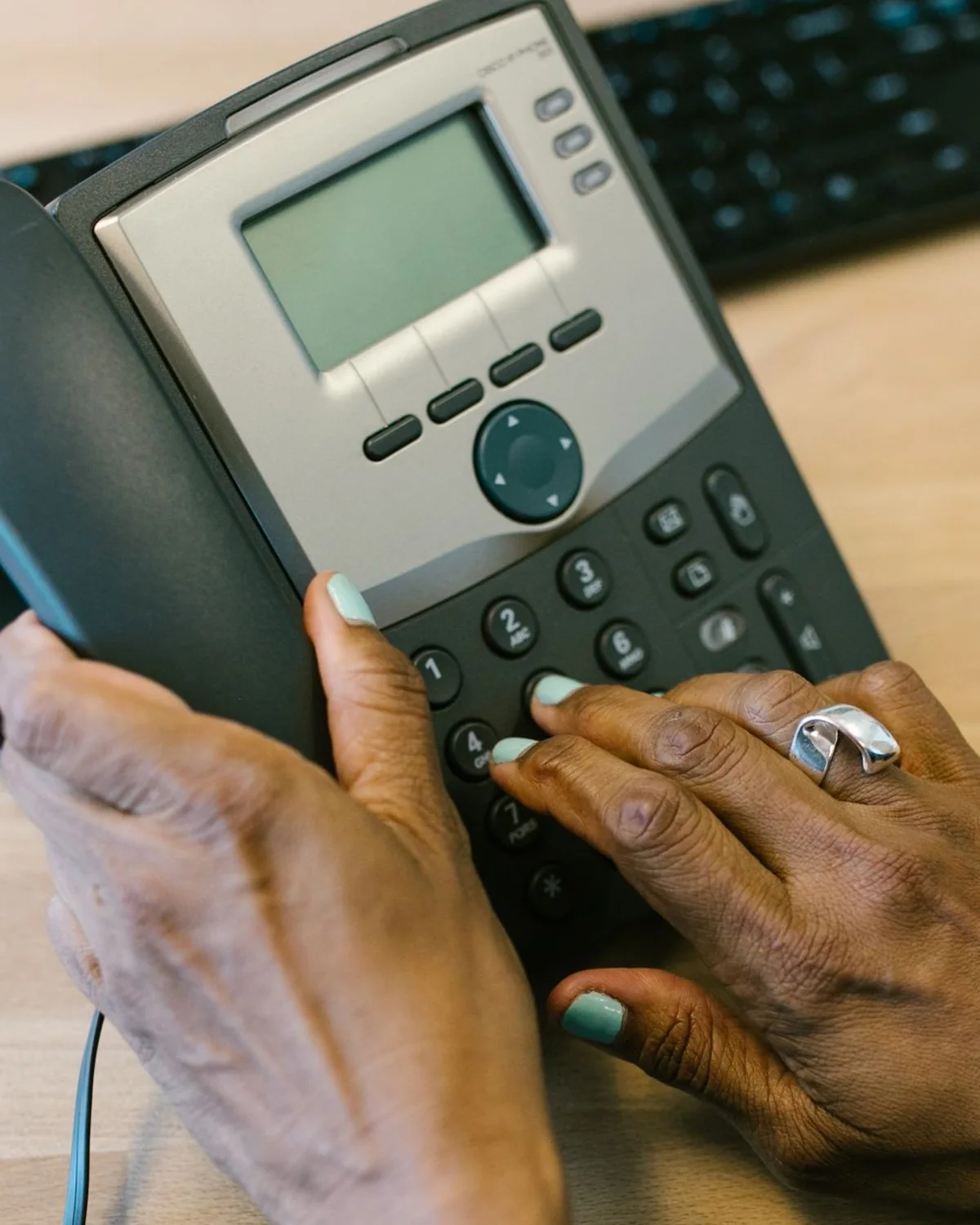
Keep a booking or ordering platform available every day
A public-facing system that takes money is monitored, patched, and backed up, with a named engineer on duty during the cover hours and a tested restore in place.

Take a finished project into steady operation
A platform delivered by ZingZee or another supplier moves from project team to support contract with its runbook, alerting, and release pipeline in place on day one.
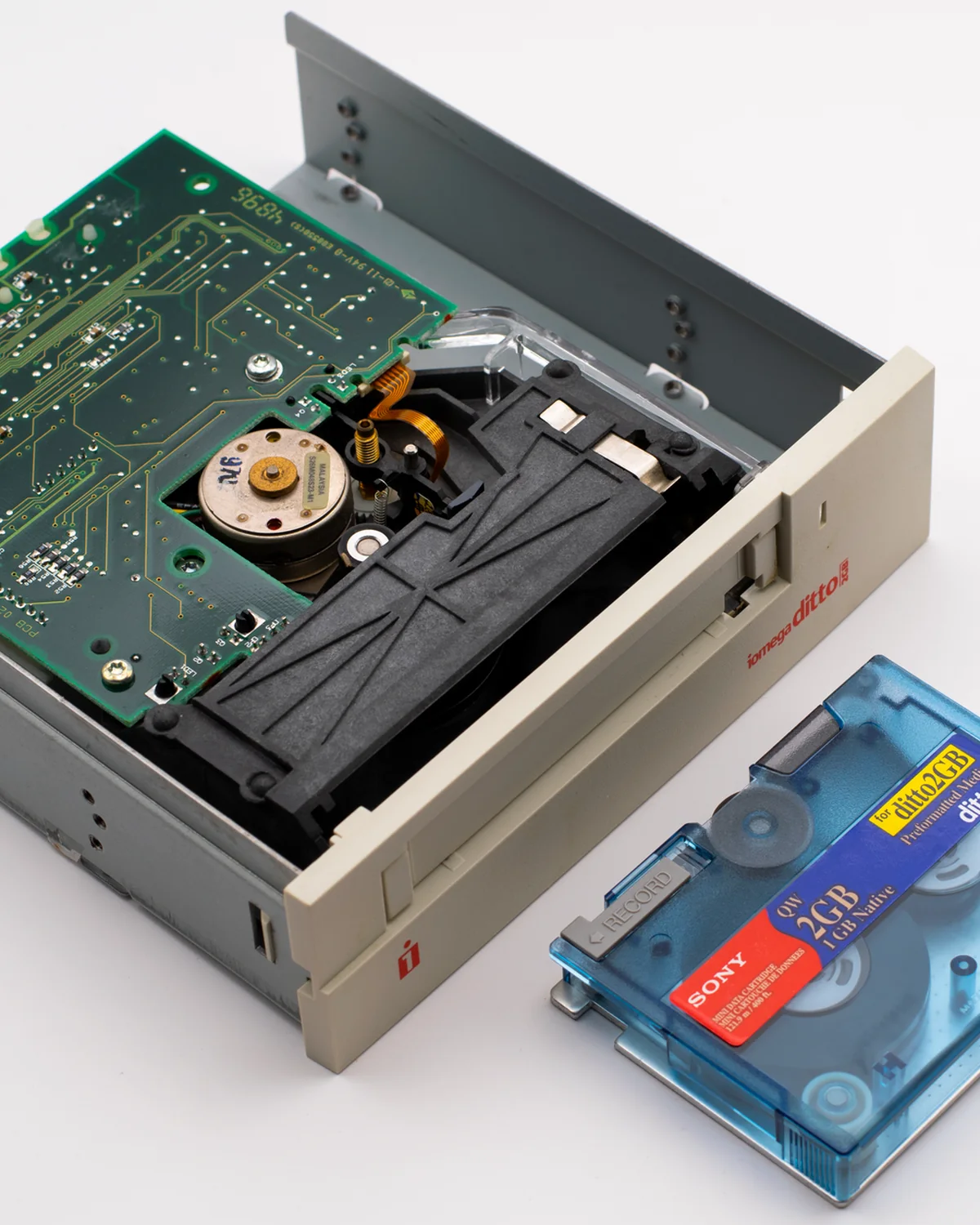
Cover a system whose developer has left
An audit, a rebuilt deployment, and a documented map of an inherited codebase give the business a supplier who can fix it under the targets agreed in the support contract.
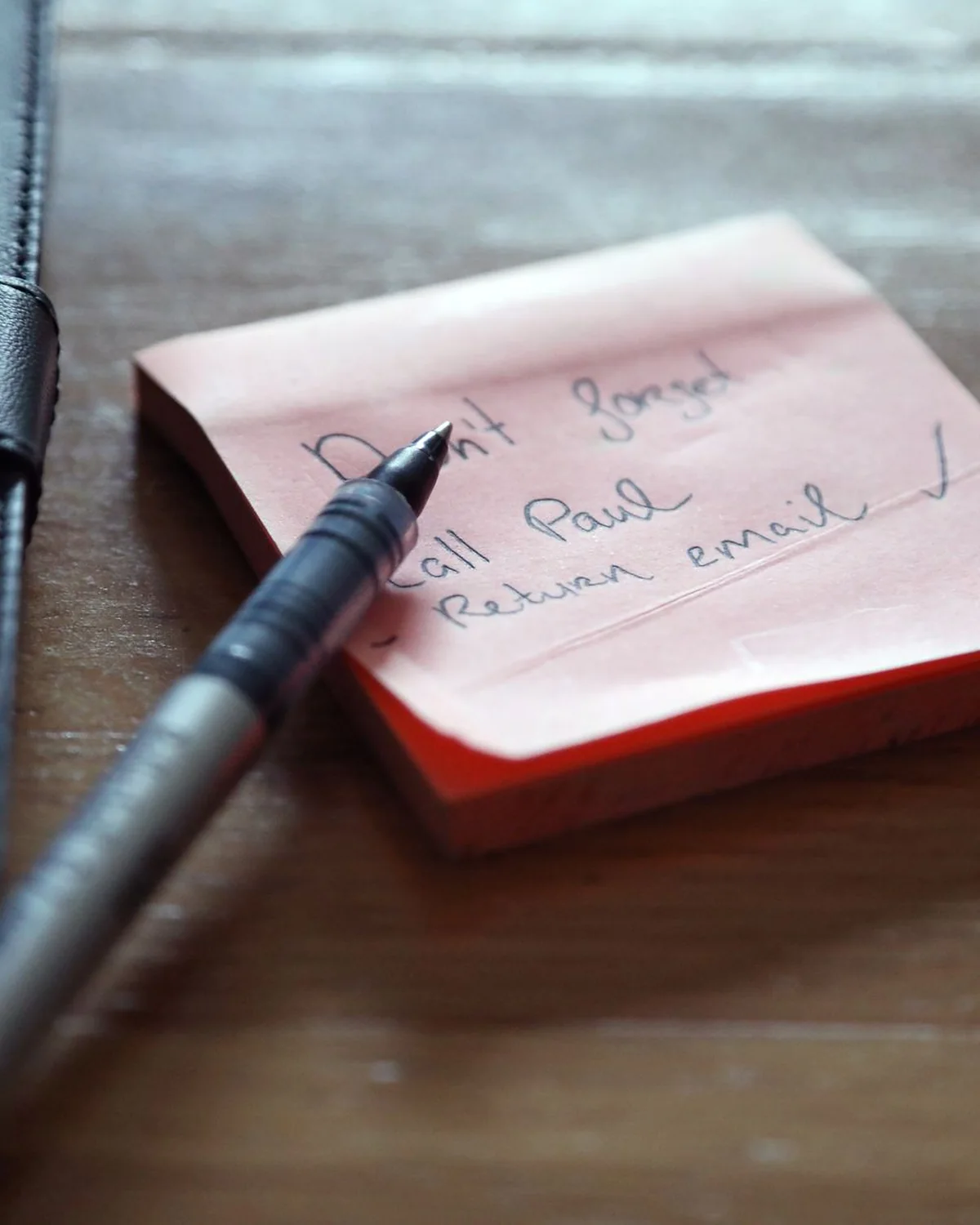
Bring an unpatched platform back to a supported version
Frameworks, libraries, and databases several versions behind are upgraded in stages, with a test pass at each step, until the system is current and can be patched routinely.
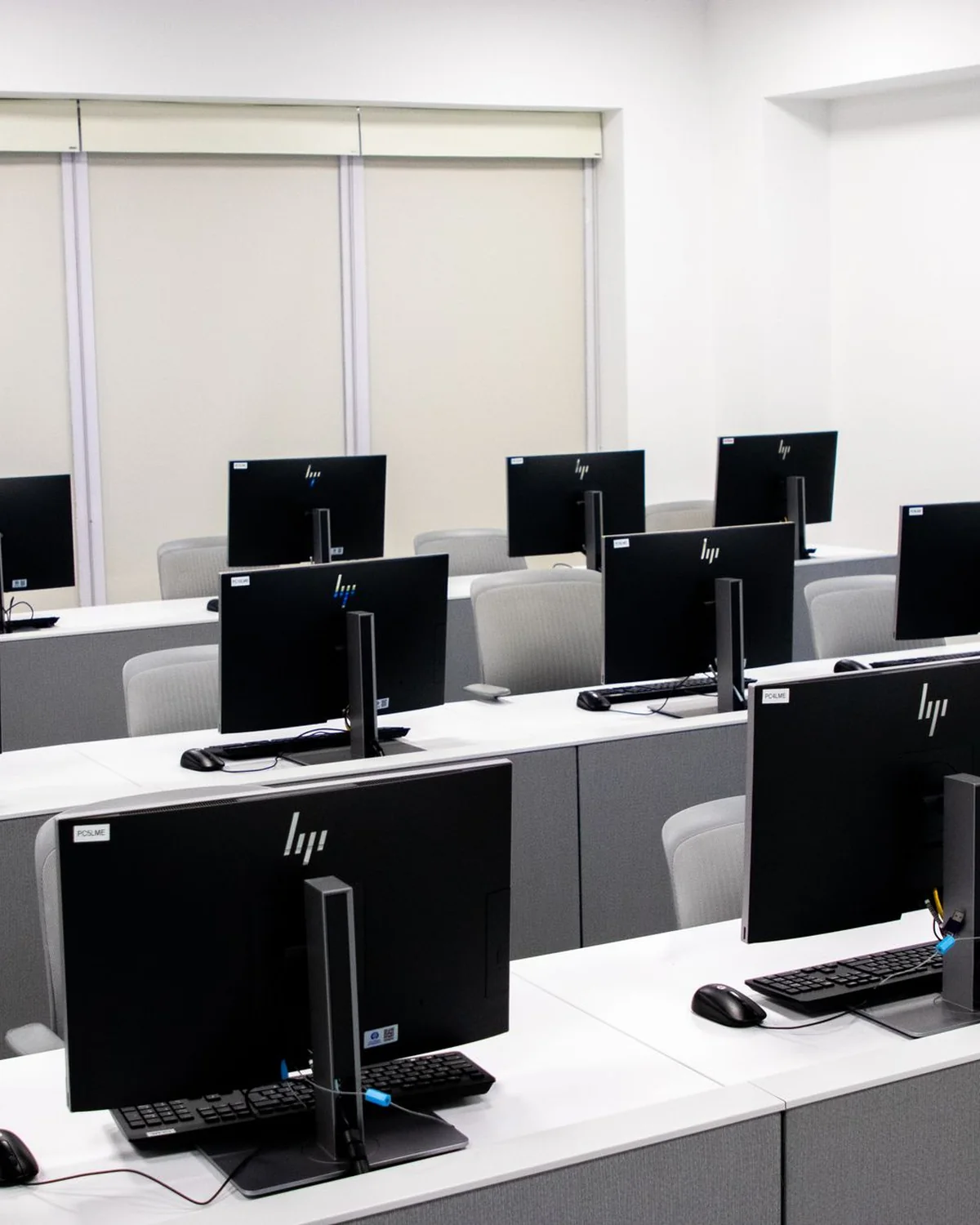
Give a small IT team second-line and third-line cover
An internal team keeps first-line contact with staff and escalates code-level, database, and integration faults to ZingZee under the same ticketing system.

Production software kept stable, current, and under one contract
Industries where ZingZee supports production software
ZingZee supports production software in travel and hospitality, where a villa rental platform with public booking, staff operations, owner statements, and accounting runs under continuous cover with monitored availability and a nightly tested restore. It supports retail and distribution, where a stock and pricing platform mirrored from an ERP is patched and monitored so two shops and a warehouse see the same figures each morning. It supports insurance and professional services, where document-handling tools with restricted access receive security updates on a fixed calendar and a monthly access review. The same contract shape is offered to logistics, healthcare providers, and financial services firms whose systems carry the same operational weight.
Application support and maintenance services ZingZee provides
 Incident response and corrective maintenanceZingZee receives incidents through a shared service desk, classifies each one by business impact, and works it to resolution within the target set for its priority. Every incident closes with a written cause, the fix applied, and the action that prevents the same fault returning.
 Preventive maintenance and updatesEngineers apply framework, library, operating system, and security updates on a published schedule, test each release in a staging environment against the client's main paths, and deploy in an agreed window. Certificates, domains, and third-party API versions are tracked so nothing expires unannounced.
 Monitoring and performance managementZingZee instruments the system for availability, error rates, response times, queue depths, and database load, with alerts routed to the on-duty engineer before a user notices. Slow endpoints and failing jobs are profiled and corrected as part of the contract, with the measurements reported each month.
 Adaptive maintenance and small changesA monthly allowance of engineering hours covers the small changes a running business asks for: a new report column, a changed VAT rule, a new user role, or a connection to a replaced supplier system. Each request is estimated in hours and approved by the client before work starts.
 Takeover of systems built by othersZingZee takes over support of platforms built by a previous supplier or an in-house team that has moved on. The takeover starts with a code and infrastructure audit, a rebuilt deployment pipeline where none exists, and a documented map of the system before the first incident is accepted.
When a support
and maintenance contract is the right choice.
When a support and maintenance contract is the right choice
A support and maintenance contract is the right choice when a system is in daily use and a fault would stop sales, deliveries, bookings, or payroll before the end of the day. The same applies when the team that built the system has moved on, or when the original supplier answers on their own timetable and the business has no written commitment to hold them to. Companies with a small internal IT function choose it to place second-line and third-line work, such as code-level fixes and database repairs, with engineers who can read the source. It also suits a system that has stopped receiving updates, where unpatched frameworks, expiring certificates, and abandoned libraries have become the main operational risk. ZingZee's strategic assessment reviews the system, its dependencies, and its incident history, and states which level of cover the business needs.
When a support contract is the wrong choice
A support contract is the wrong choice when the system is a packaged product with an active vendor whose own support channel already covers configuration and defects, because a second contract duplicates the first. Where the codebase has reached the point at which every fix creates two new faults, the right answer is a modernisation project with its own scope, which ZingZee quotes separately. Nor is a contract the answer when the business wants a new feature every week: that is product development, with a roadmap and a team, and it is priced as such. Where the incident history shows two or three calls a year on a stable system, a pay-as-you-go arrangement with a written rate card serves the business better than a monthly retainer. The strategic assessment states which arrangement fits before a contract is proposed.
Application support engagement scope
Deliverables
A signed service level agreement with cover hours, priorities, and targets; a service desk the client's staff can reach; monitoring and alerting on the covered systems; a published update calendar; and a monthly report of incidents, changes, availability, and hours used.
Deliverables
A signed service level agreement with cover hours, priorities, and targets; a service desk the client's staff can reach; monitoring and alerting on the covered systems; a published update calendar; and a monthly report of incidents, changes, availability, and hours used.
Included as standard
Incident response within the agreed hours, corrective fixes, security and dependency updates, certificate and domain tracking, backup verification, a quarterly review of the incident record, and a documented runbook that the client's own staff can follow.
Environments and hosting
ZingZee maintains a staging environment that mirrors production for every covered system, so updates and fixes are tested before release. Hosting is covered where the client takes the managed hosting and security service, and connected where the client hosts elsewhere.
Priced separately
Cover outside the standard hours, a takeover audit of a system built by others, version upgrades that amount to a rewrite, new features beyond the monthly change allowance, and performance projects with their own target are scoped and quoted as their own items.
What the client provides
Access to the source code, the repositories, and the environments; credentials for the vendors and services the system depends on; a named person who can approve a release and prioritise a request; and notice of business events, such as a launch or a peak period, that change the risk.
Outside the engagement
Cloud and software subscriptions, licences held with third-party vendors, end-user hardware, and the internal decisions about what the system should do next are the client's to hold. ZingZee specifies each dependency and works with the vendor when a fault sits on their side.
How a support and maintenance engagement with ZingZee runs
A support and maintenance engagement with ZingZee runs through the five-phase delivery framework. The strategic assessment audits the code, the infrastructure, the dependencies, and the incident history, and produces a risk list with the level of cover each system needs. The AI roadmap, which on a support engagement is the service plan, fixes the priorities, the response and resolution targets, the update calendar, the change allowance, and which monitoring is automated first. Integration and deployment sets up the service desk, the monitoring, the alert routing, the staging environment, and the release pipeline, and clears the first tranche of overdue updates. Adoption and enablement trains the client's staff to raise and track requests, agrees the escalation paths with the internal IT team, and hands over the runbook. Governance, optimisation and scale is the contract in steady state: a monthly report, a quarterly review of the incident record against the targets, and adjustments to cover as the business and the systems change. Each phase opens with a scoping workshop and closes with a review, where the measurements are read against the agreement and the client signs off the next period.
Strategic assessment
We assess how the business operates today: its processes, its data and the systems it runs on. From that we identify the use cases with the highest return and confirm the organisation is ready to adopt them, so the programme starts from a defined baseline.
AI roadmap
Findings become a phased roadmap that balances early wins with the longer build. ZingZee sets the milestones, the resourcing and the governance that keep delivery on schedule and aligned to business objectives.
Integration and deployment
Our engineers develop, validate and deploy the solution into your production environment, integrated with the enterprise systems you already run and sized for the workloads it will carry.
Adoption and enablement
Enablement programmes prepare business users and technical teams to work with the new capability, and structured change management ensures the organisation captures the full value of what has been deployed.
Governance, optimisation and scale
Ongoing governance, monitoring and optimisation keep the solution accurate, compliant and performing. Proven solutions are then scaled across departments and regions under the same data governance standards.
Application support tooling
ZingZee runs every support contract on the same set of tools, so a client who reads about one system can expect the same on the next. The tooling covers:
- A shared service desk with priorities, targets, and status visible to the client
- Uptime, error, and performance monitoring with alerts routed to the on-duty engineer
- Centralised logging and error tracking across application, database, and server
- A dependency scanner that lists outdated and vulnerable packages on every covered system
- Staging environments and a release pipeline with automated tests on the main paths
- Verified backups with a documented and rehearsed restore procedure
Application support engineering practices
The incident record is reviewed each quarter for repeat faults, and each repeat receives a recommendation. Updates go through staging with the automated tests on the client's main paths before they reach production, and every release can be rolled back within the deployment window. Monitoring thresholds are set from measured baselines and revised after each peak period, so an alert indicates a real fault. Access to production is granted per engineer, logged, and reviewed each month, and secrets, keys, and credentials are held outside the codebase. A runbook is kept current with every change, so a fault can be handled by any engineer on the contract, and by the client's own team where they choose to take work in-house.
Cost and time for application support and maintenance
The cost of application support and maintenance depends on the number and complexity of the covered systems, the hours of cover, the response and resolution targets, the size of the monthly change allowance, and the condition of the code and infrastructure at the start. A single platform built by ZingZee moves onto a support contract within days of go-live, since the monitoring and runbook exist. A takeover of a system built by others runs through an audit and a set-up period measured in weeks before the first incident is accepted under the targets. Contracts run for a minimum term with a monthly fee, and hours beyond the allowance are billed at a published rate. ZingZee provides a written estimate after the strategic assessment and phases the set-up work to the client's priorities.
What happens next?
You send a description of the systems you need covered, who built them, where they run, and the hours during which a fault would hurt the business.
An engineer reads it and replies within two working days with the shape of a strategic assessment and the cover options.
You sign a non-disclosure agreement if you need one, and you receive a proposal with the service level agreement, the estimate, and the named team.
Get a free application support consultation
Send the systems you need covered, who built them, where they run, and the hours that matter. An engineer replies with a scoped assessment and the cover options.
Or call +357 26 022564
Your details are used to respond to this enquiry, as our privacy policy explains. Privacy policy
Frequently asked questions
Straight answers on Support and maintenance work with ZingZee.