Robotics Integration Services
AI connected to the machines on the floor, with the business systems behind them
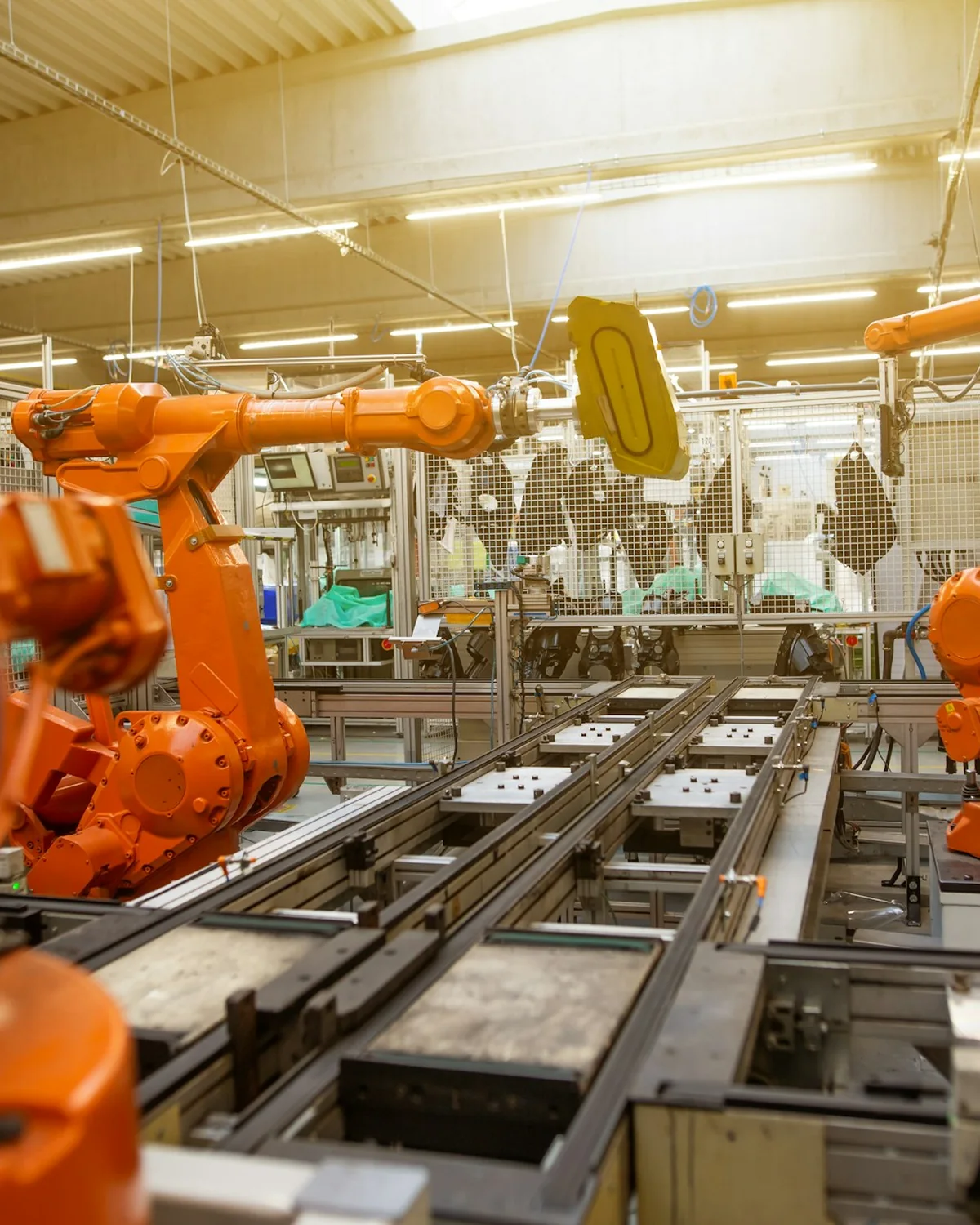
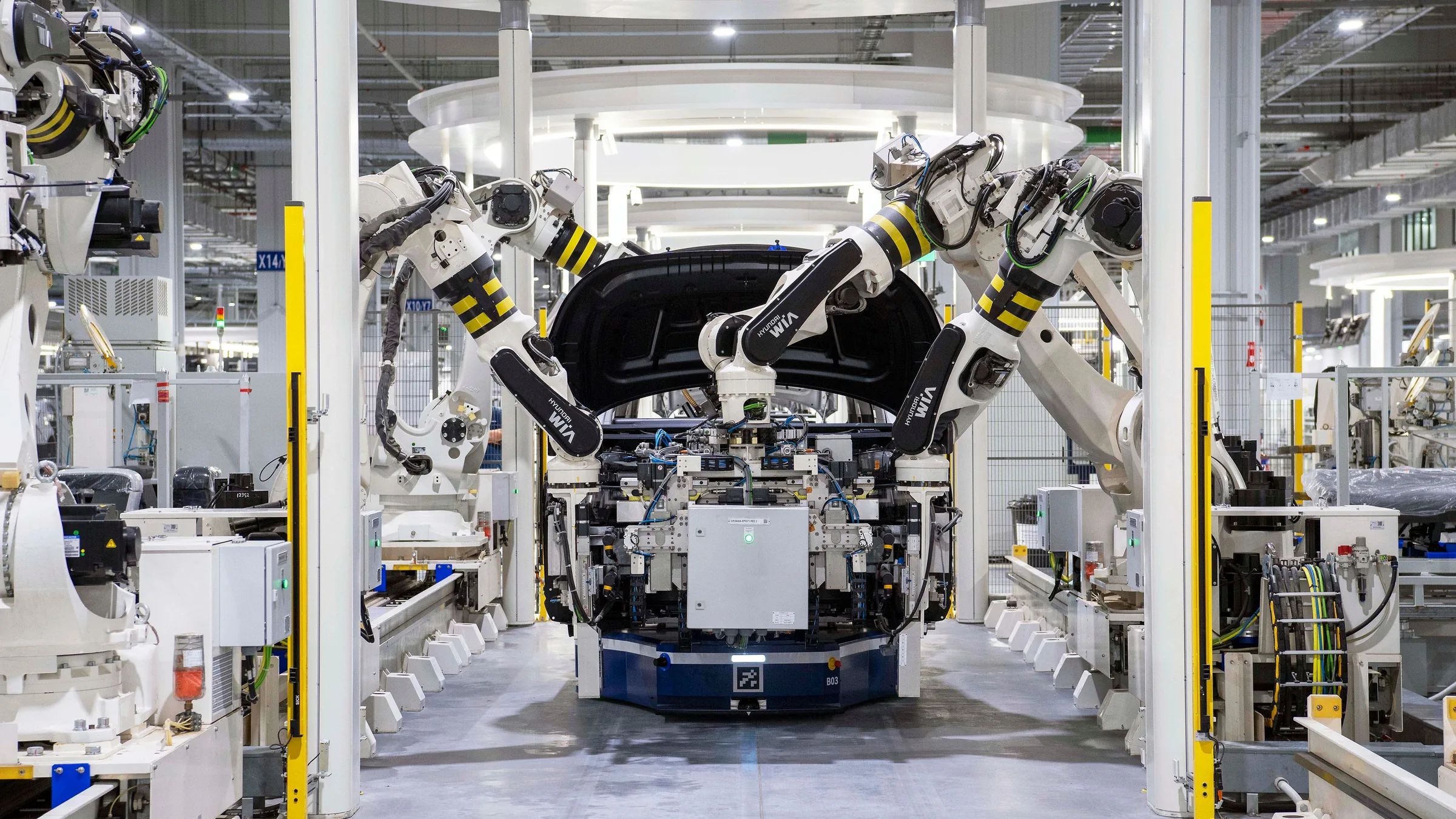
ZingZee provides robotics integration services for companies whose work happens on a floor: production lines, warehouses, packing halls, and plant rooms. Engineers in Limassol, Cyprus, with partner engineers in controls and vision where a project needs them, connect robots, machines, and sensors to AI models and to the stock, order, and maintenance systems the business already runs, through the five-phase delivery framework.
What robotics integration services are
Robotics integration services connect the physical equipment a business operates, robot arms, conveyors, packing machines, cameras, and sensors, to the software that decides what the equipment should do next and to the business systems that record what it did.
The work spans the programmable logic controllers that run a machine, the vision models that let a robot see a product, the software that schedules the work, and the connections to stock, order, and maintenance systems. ZingZee's robotics integration services start from the process on the floor and the decision a person makes at each step, and they replace or assist that decision with a model that has been tested on the client's own products. For an operations director, an integrated robot is one whose every action is known to the stock, order, and maintenance systems, and that is the standard ZingZee delivers to.
Robotics integration services ZingZee provides
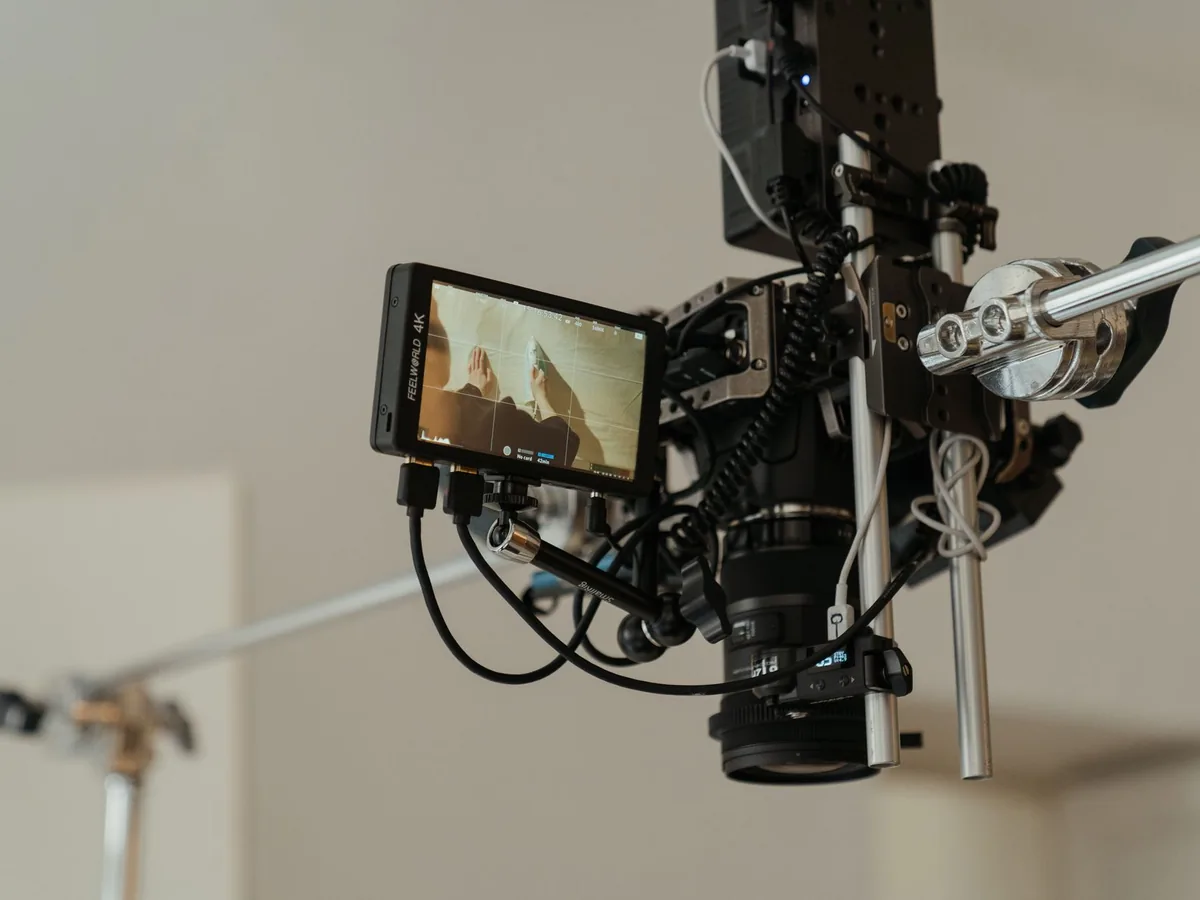
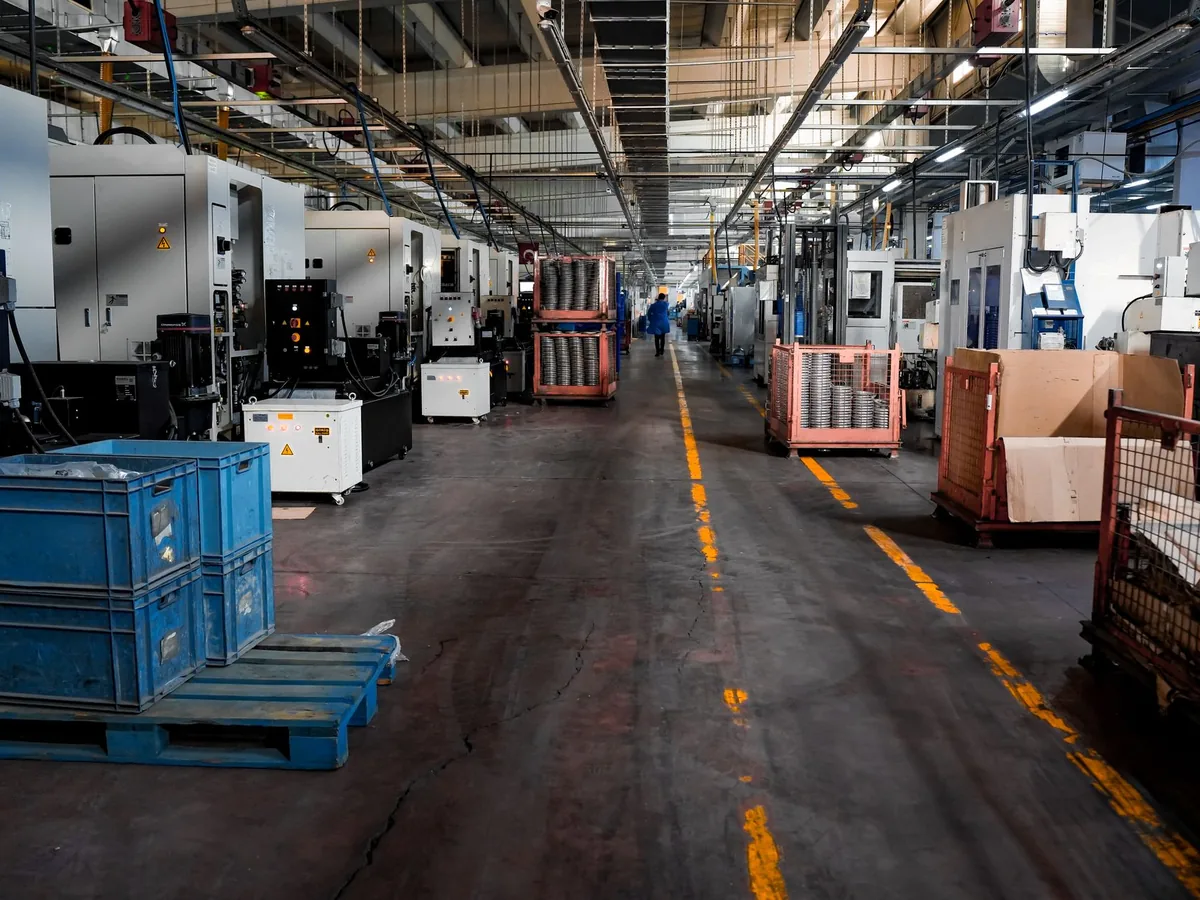
Production audit and cell design
ZingZee measures the process on the floor, the cycle times, the product variation, the error sources, and the systems each step touches, then designs the cell or the line change with the equipment, the safety zones, and the expected throughput on paper. The audit ends in a written business case.
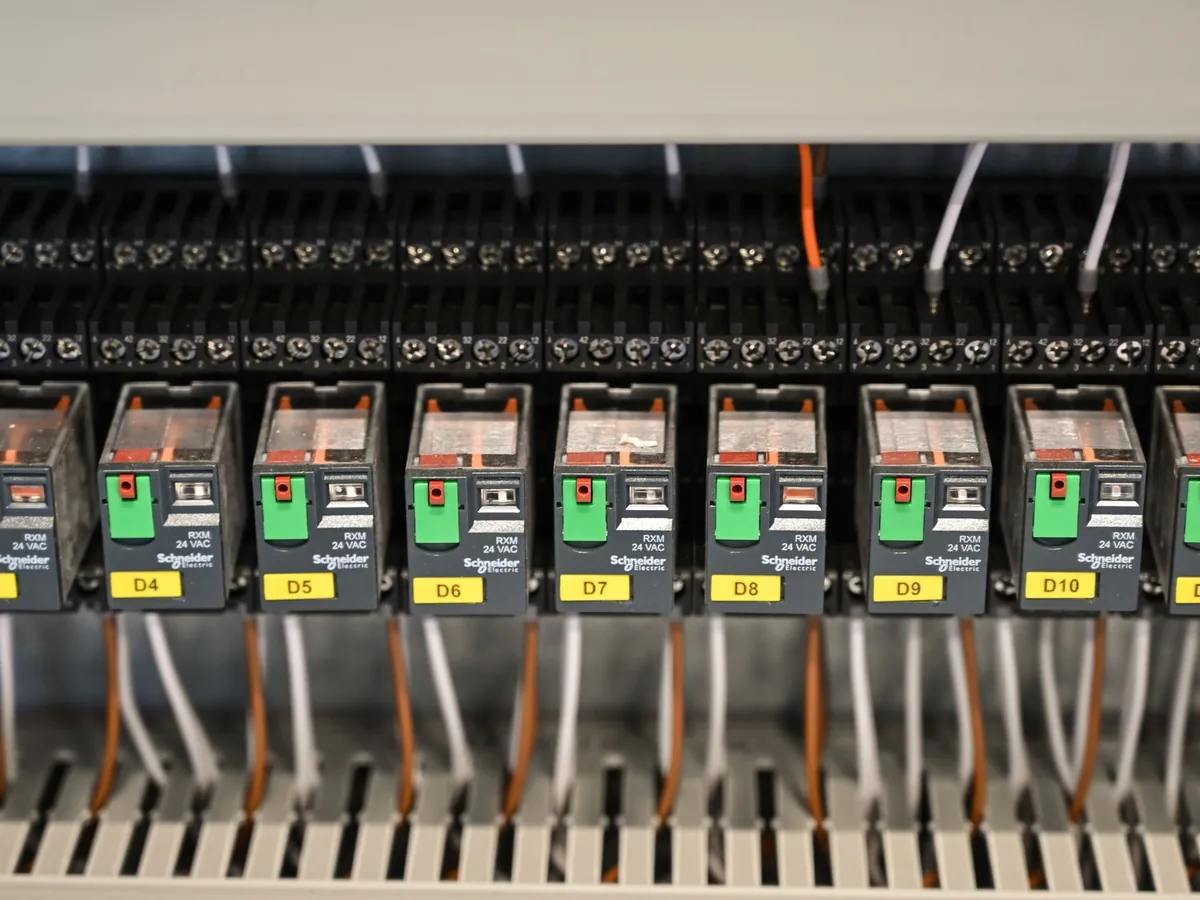
Machine vision and AI models
ZingZee trains and tests models that identify, locate, grade, and count the client's own products under the client's own lighting, using cameras chosen for the task. Accuracy is measured on a held-out set of real items before any model drives a machine.
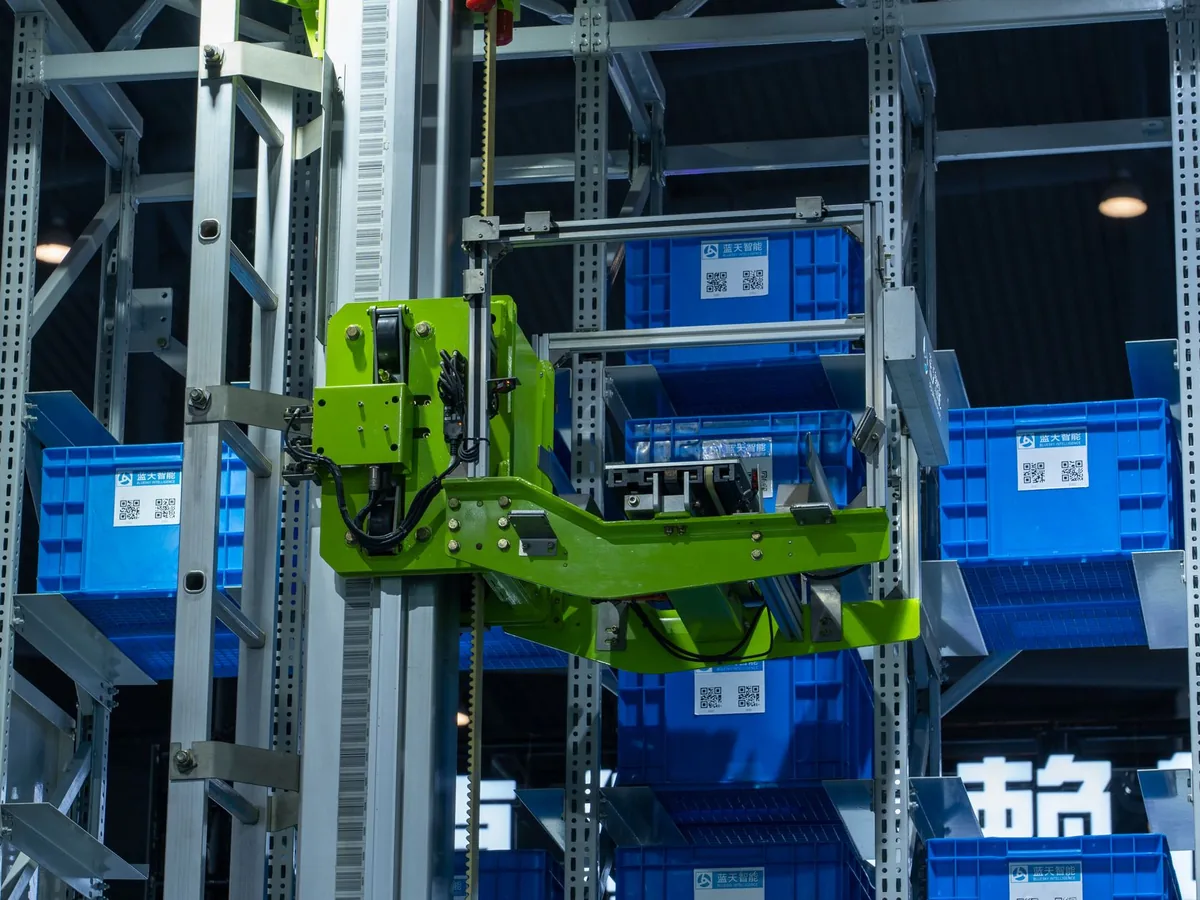
Controls and PLC integration
ZingZee, with the client's controls integrator, connects the software layer to the programmable logic controllers, drives, and safety systems that run the equipment, reading state and issuing instructions over industrial protocols. Safety functions stay in the safety-rated hardware and are never moved into application code.
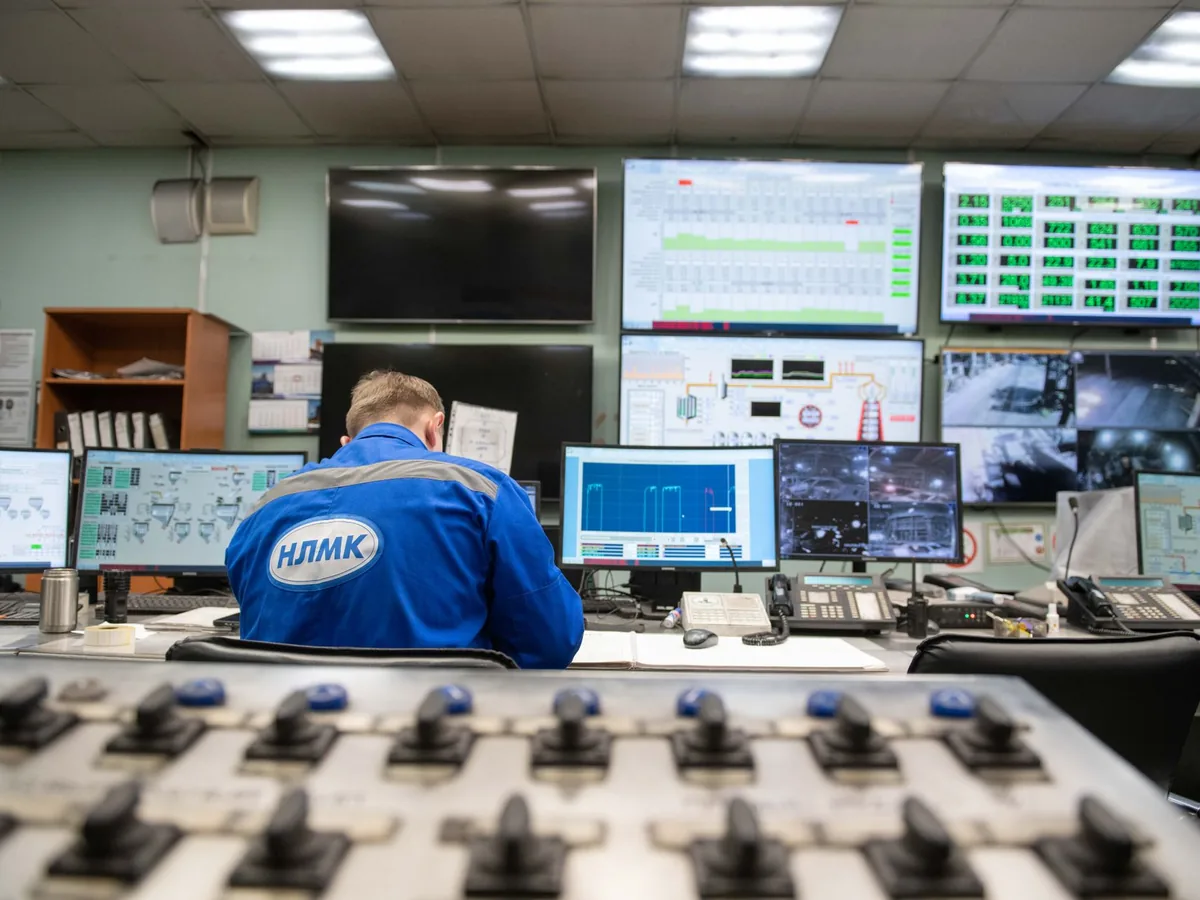
Connection to business systems
ZingZee writes every pick, pass, reject, and stoppage to the stock, order, quality, and maintenance systems the business runs, so the office sees the floor as it is. Work instructions flow the other way, from the order book to the cell.
Commissioning, monitoring, and support
ZingZee commissions cells in stages, from dry run to supervised production to full rate, with throughput, accuracy, and downtime recorded at each stage. After go-live the team monitors the same measures, retrains models as products change, and supports the client's maintenance staff.
When robotics integration is
the right choice.
When robotics integration is the right choice
Robotics integration is the right choice when a repetitive physical step, picking, sorting, inspecting, labelling, or counting, consumes skilled time and produces errors that reach the customer. It is the right choice when equipment has already been bought and runs below its capacity because it cannot see variation in products or talk to the systems around it. It is also the right choice when quality inspection depends on a person's attention across a long shift, and when the stock or production figures in the office lag the floor by hours. It suits a company with several sites that wants one method of running the same line in each, and it suits a plant where machine data already exists in controllers and has never been read. The strategic assessment measures the process on the floor and states which case applies.
When robotics integration is the wrong choice
Robotics integration is the wrong choice when the process changes every week, because a cell that is re-taught faster than it is used never repays itself, and a better manual station is the sounder investment. It is the wrong choice when the volume is low and the product varies in ways a person handles without thinking, where a model trained on a thousand examples still fails on the thousand and first. It is also the wrong answer where the constraint is upstream, in supply, scheduling, or a stock system that does not know what is on the shelf; the connected devices and process automation services address those first. ZingZee's strategic assessment states which case applies before any equipment is specified.
Use cases
Inspect every unit at line speed
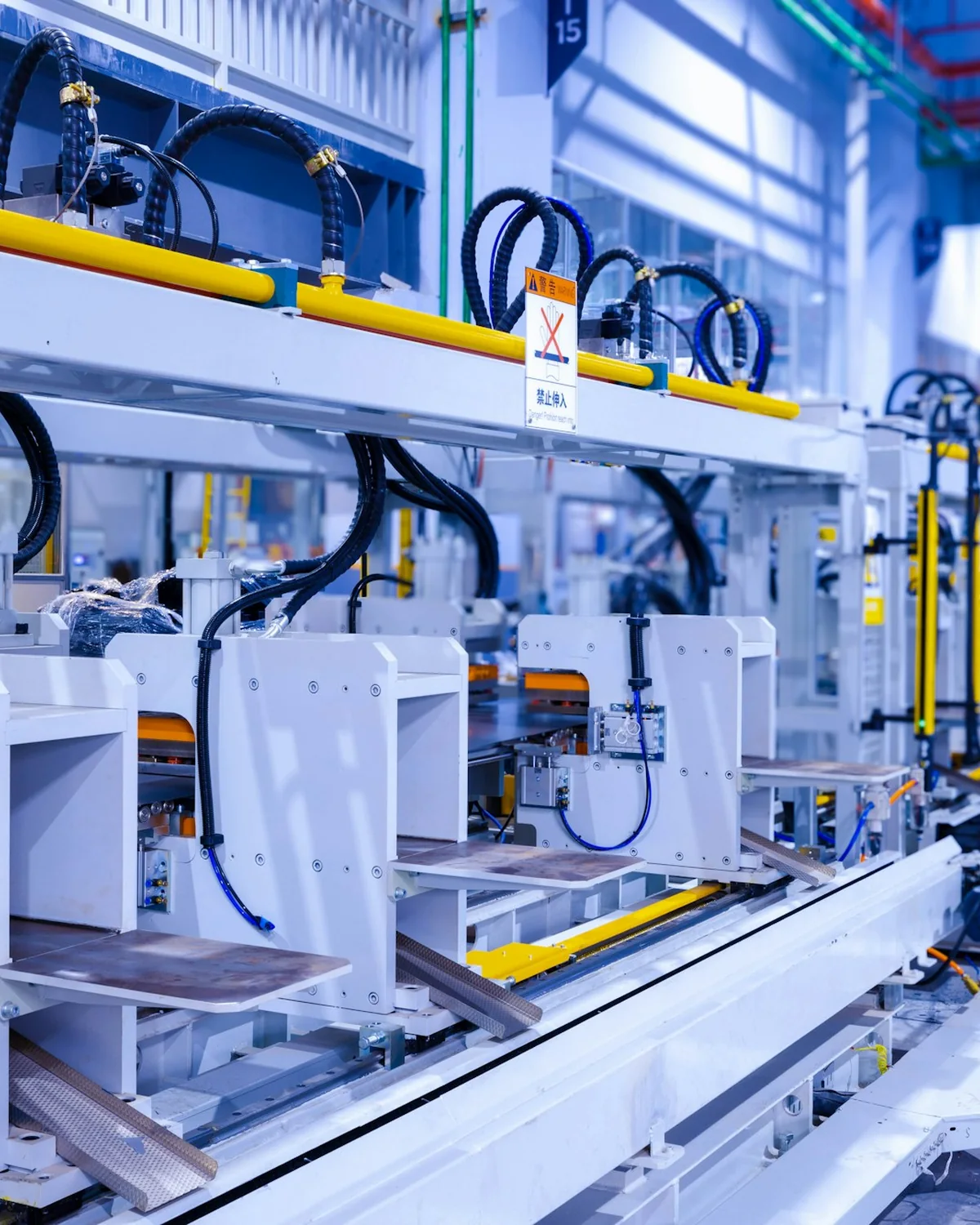
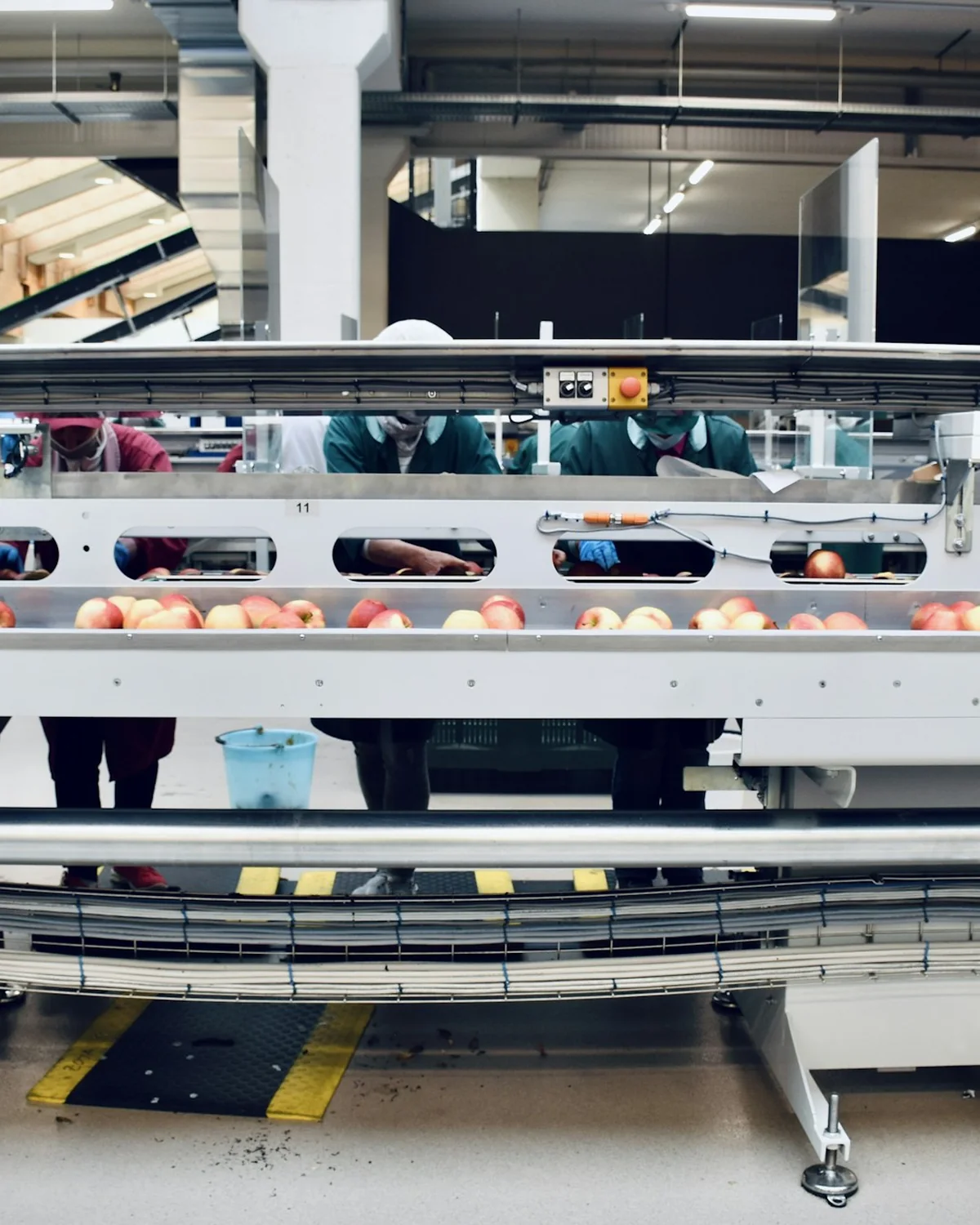
A camera and a model trained on the client's own defects check each item as it passes and divert rejects, with the images and the decision kept for review, so quality no longer depends on a person's attention in the last hour of a shift.
Pick and sort products the robot has never seen
A vision model that locates and grades items by shape, label, and condition lets an existing arm handle a changing product range, with each pick recorded against the order in the stock system.
Count and record stock as it moves
Cameras and sensors on conveyors, doors, and shelves record what passed and when, and the stock system is updated at the moment the goods move, which removes the evening count.
Raise a maintenance job before the shift is lost
Controller data that already exists is read, stored, and modelled, so vibration, temperature, and cycle drift raise a maintenance job before the breakdown stops the line.
Run the same line the same way at every site
One cell design, one model, one set of work instructions, and one reporting feed are deployed at each site, so a second plant runs like the first and the office compares them on the same figures.
AI connected to the machines on the floor, with the business systems behind them
Industries where ZingZee applies robotics integration
ZingZee offers robotics integration to manufacturing, food and beverage production, packing and fulfilment, warehousing, and agriculture, and it builds on delivered work in adjacent areas: stock and price systems that mirror an ERP for two shops and a warehouse carrying around 95,000 product lines, sensor and device platforms that read hardware in the field, and vision and language models run on ZingZee's own GPU hardware in Cyprus. The controls and safety elements of each project are delivered with partner engineers who work in industrial automation full time, under ZingZee's project management and to ZingZee's software standards.
Robotics integration engagement scope
Deliverables
A commissioned cell or line change running at the agreed rate, the vision models and their test results, the controls integration and its documentation, the connections to the business systems, the safety documentation, and a monitoring dashboard, in production use at the end of the engagement.
Deliverables
A commissioned cell or line change running at the agreed rate, the vision models and their test results, the controls integration and its documentation, the connections to the business systems, the safety documentation, and a monitoring dashboard, in production use at the end of the engagement.
Included as standard
The production audit and written business case, model training on the client's products, staged commissioning with recorded measures, operator and maintenance training, a runbook for the cell, spares and retraining guidance, and a recorded handover to the client's engineering team.
Hardware and site access
Robots, cameras, controllers, and safety equipment are specified by ZingZee and purchased in the client's name, with installation by the equipment vendor or the client's contractor. ZingZee requires supervised floor access during audit and commissioning, and a test area or an agreed production window for staged trials.
Priced separately
Equipment, mechanical installation, guarding, and electrical work, additional cells after the first, models for new product families, and integration to systems outside the agreed list are scoped and quoted as their own items.
What the client provides
Access to the floor and to the equipment's controllers, samples of every product variant and defect, the current stock, order, and maintenance systems and their interfaces, operators and maintenance staff for training and trials, and a person who signs off each commissioning stage.
Outside the engagement
Machinery safety certification, CE marking and insurance sign-off, building and electrical permits, and the equipment vendors' service contracts are the client's to hold. ZingZee produces the documentation those parties need and attends their inspections where asked.
Robotics and machine integration tooling
ZingZee integrates robots and machines with the same set of tools on every project, so a second cell or a second site is built the way the first was. The tooling covers:
- Industrial cameras and lighting chosen for the product, with vision models trained on the client's own items
- Open-weight vision and language models served on edge hardware at the cell or on ZingZee's GPU servers
- Industrial protocols such as OPC UA and Modbus for reading and instructing controllers and drives
- Python and C++ services for inference, scheduling, and machine communication, with every decision logged
- Postgres and time-series storage for machine data, decisions, and the audit trail
- Typed connections to the stock, order, quality, and maintenance systems the business runs
- Dashboards for throughput, accuracy, and downtime, with alerts to the floor and the office
How a robotics integration project with ZingZee runs
A robotics integration project with ZingZee runs through the five-phase delivery framework. The strategic assessment is the production audit: it measures cycle times, product variation, error sources, and the systems each step touches, and it produces a business case with the expected throughput and the safety requirements. The AI roadmap fixes which cell comes first, the equipment and vision approach, the accuracy each model must reach on the client's products, and the business systems to connect. Integration and deployment trains the models, builds the controls integration and the system connections, and commissions the cell in stages, from dry run to supervised production to full rate, with the measures recorded at each stage. Adoption and enablement trains operators to run the cell, maintenance staff to keep it running, and the office to read the new figures, with a runbook per cell. Governance, optimisation and scale monitors throughput, accuracy, and downtime, retrains models as products change, and plans the next cell or site. Each phase opens with a scoping workshop and closes with a hardening workshop, where the cell is tested against its measures and the safety checklist, and a delivery workshop, where the client's team runs it and signs off.
Strategic assessment
We assess how the business operates today: its processes, its data and the systems it runs on. From that we identify the use cases with the highest return and confirm the organisation is ready to adopt them, so the programme starts from a defined baseline.
AI roadmap
Findings become a phased roadmap that balances early wins with the longer build. ZingZee sets the milestones, the resourcing and the governance that keep delivery on schedule and aligned to business objectives.
Integration and deployment
Our engineers develop, validate and deploy the solution into your production environment, integrated with the enterprise systems you already run and sized for the workloads it will carry.
Adoption and enablement
Enablement programmes prepare business users and technical teams to work with the new capability, and structured change management ensures the organisation captures the full value of what has been deployed.
Governance, optimisation and scale
Ongoing governance, monitoring and optimisation keep the solution accurate, compliant and performing. Proven solutions are then scaled across departments and regions under the same data governance standards.
Robotics integration engineering practices
Safety functions live in safety-rated hardware and are never moved into application code, and every cell is commissioned with the guarding and the stops in place before a model drives a machine. Vision models are tested on a held-out set of real products under production lighting, and the accuracy on that set is the figure that decides whether the model goes live. Every decision the software makes, each pick, reject, and stop, is logged with the image or the sensor reading that led to it, so a dispute on the floor can be settled from the record. Commissioning is staged, with the previous manual process kept available until full rate is signed off. Business systems are updated at the moment of the event, and the office figures are reconciled against the floor count during trials. Models are retrained when the product changes, on a schedule the client's team can run from the runbook.
Cost and time for robotics integration
The cost of robotics integration depends on the number of cells, the equipment required, the variation in the products a model must handle, the controllers and protocols in place, the systems to connect, and the safety work the site needs. A vision inspection station on an existing line, connected to the quality system, is a matter of months from audit to full rate. A picking or sorting cell with a new robot, controls integration, and stock system connection is a longer programme and goes live in commissioning stages. Equipment is quoted by vendors in the client's name and sits outside ZingZee's fee. ZingZee provides a written estimate after the production audit and phases the budget to the client's priorities, usually one cell at a time.
What happens next?
You send a description of the process on your floor, the equipment you run or plan to buy, and the errors or delays you want removed.
An engineer reads it and replies within two working days with the shape of a production audit and the measurements it will take.
You sign a non-disclosure agreement if you need one, and you receive a proposal with the phases, the estimate, and the team, with the client's controls integrator named.
Discuss robotics integration with ZingZee
Send the process on your floor, the equipment you run, and the errors or delays you want removed. An engineer replies with the shape of a production audit.
Or call +357 26 022564
Your details are used to respond to this enquiry, as our privacy policy explains. Privacy policy
Frequently asked questions
Straight answers on Robotics integration work with ZingZee.