IoT Development Services
Readings from the field turned into jobs, alerts, and records
ZingZee's IoT development services cover the software between a physical device and a business decision: the firmware or gateway that reads a sensor, meter, scanner, tracker, or machine, the pipeline that carries the reading to a server, the rules that turn it into an alert or a job, and the screens on which staff act on it. Engineers in Limassol and partner engineers across Europe deliver each system through the five-phase framework, on a cloud provider, on ZingZee's own servers in Cyprus, or on hardware on the client's site.
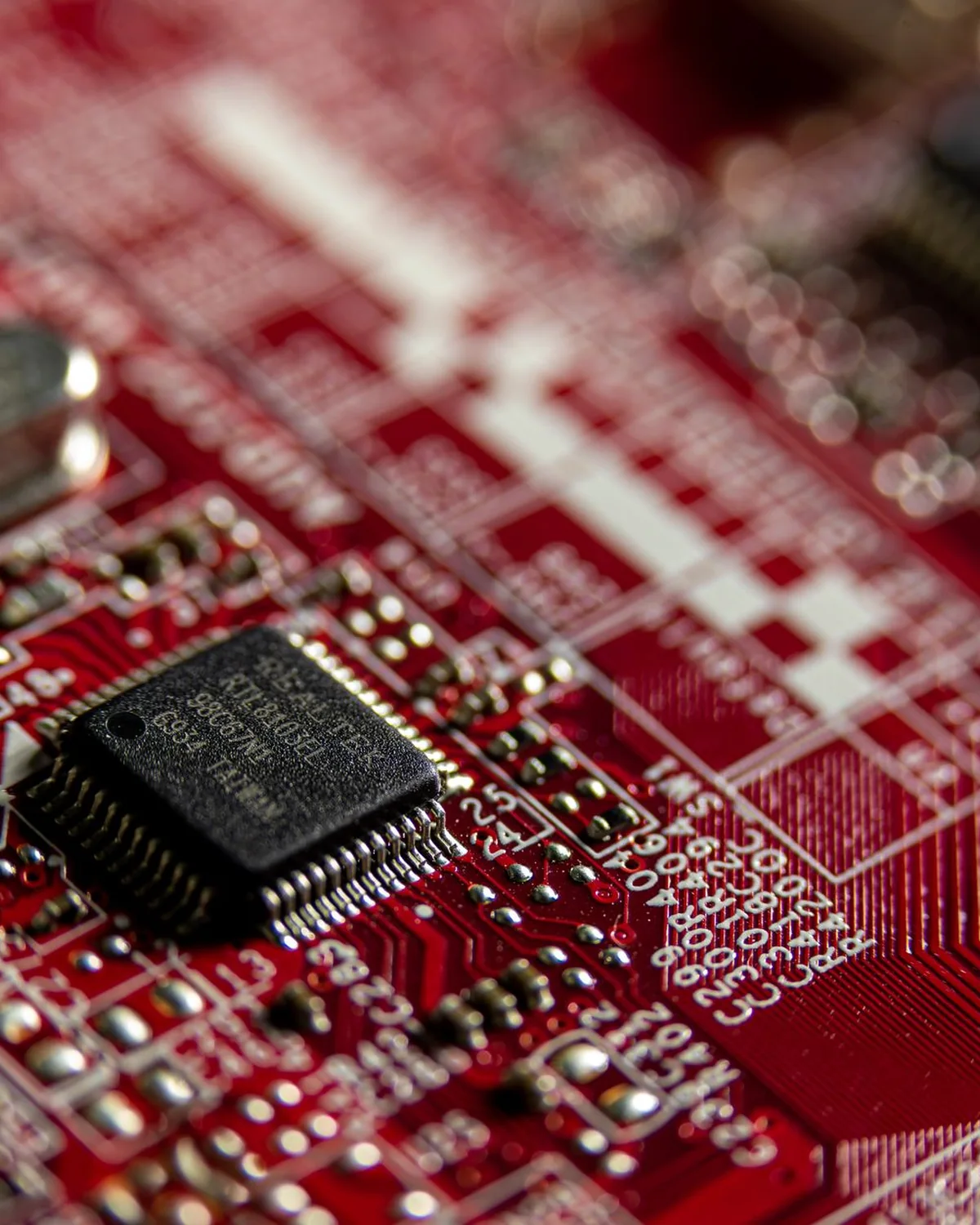
What IoT development services are
IoT development services are the design and construction of software that reads physical devices and puts their readings to work inside a business.
The devices include temperature and humidity sensors in a cold store, energy meters and inverters on a roof, barcode scanners in a warehouse aisle, trackers in a fleet of vehicles, controllers on a production line, and locks, pumps, and thermostats in a managed property. ZingZee's IoT development services take the reading from the device, through a gateway or a direct connection, into a server the client controls, and apply the rules the business sets. The result is delivered where it is acted on: a maintenance task raised on the asset, an alert to the person on call, a stock transfer confirmed, a dashboard the owners read. The device data lands on the same data model as the bookings, orders, and jobs the company already runs, so a reading becomes part of the record and a cost, a schedule, or an invoice can follow from it.
When a connected-device system is
the right choice.
When a connected-device system is the right choice
A connected-device system is the right choice when a business already has devices producing readings that nobody sees until something has failed: a freezer that drifted overnight, a pump that ran dry, a van an hour from the job it was assigned to. It is the right choice when staff carry a phone or a handset into the field or the aisle and the record of what they did should be made at the point they do it, with a scan, a photo, and a location. It is the right choice when a company manages assets spread across many sites and wants the condition of each one on one screen. It suits an operator with pools, boilers, and locks across hundreds of properties, an installer with a growing fleet of inverters and batteries in customers' homes, and a manufacturer whose machines report counts and faults that never reach the ERP. The strategic assessment inventories the devices and the protocols they speak before ZingZee proposes a build.
When a connected-device system is the wrong choice
A connected-device system is the wrong choice when the readings are already available in a vendor's portal and the gap is a report or an alert, because an integration with that portal's API delivers the result in a fraction of the time. It is the wrong choice when the devices are not yet chosen, since the software depends on the protocols and the power budget of the hardware, and ZingZee's advisory service will help select devices before any platform is designed. It is the wrong answer where the process that acts on the reading has no owner, because an alert nobody is responsible for is switched off within a month. It is also the wrong shape when the work is the design of custom electronics, which ZingZee arranges through a hardware partner and scopes as its own item. The assessment states which case applies and recommends the smaller engagement when that is the right one.
IoT development services ZingZee provides
Device inventory and connectivity design
ZingZee's engineers inventory the devices on site, the protocols they speak, the connectivity at each location, and the power each device has. They then design the path from the device to the server, direct, through a gateway, or through a vendor cloud, with the failure modes written down.
Gateway and edge software
Software on a gateway or an industrial computer reads the devices over serial, Modbus, BLE, or the vendor's protocol. It buffers readings when the connection drops, applies local rules where a decision cannot wait for the server, and forwards the data with a timestamp and a device identity.
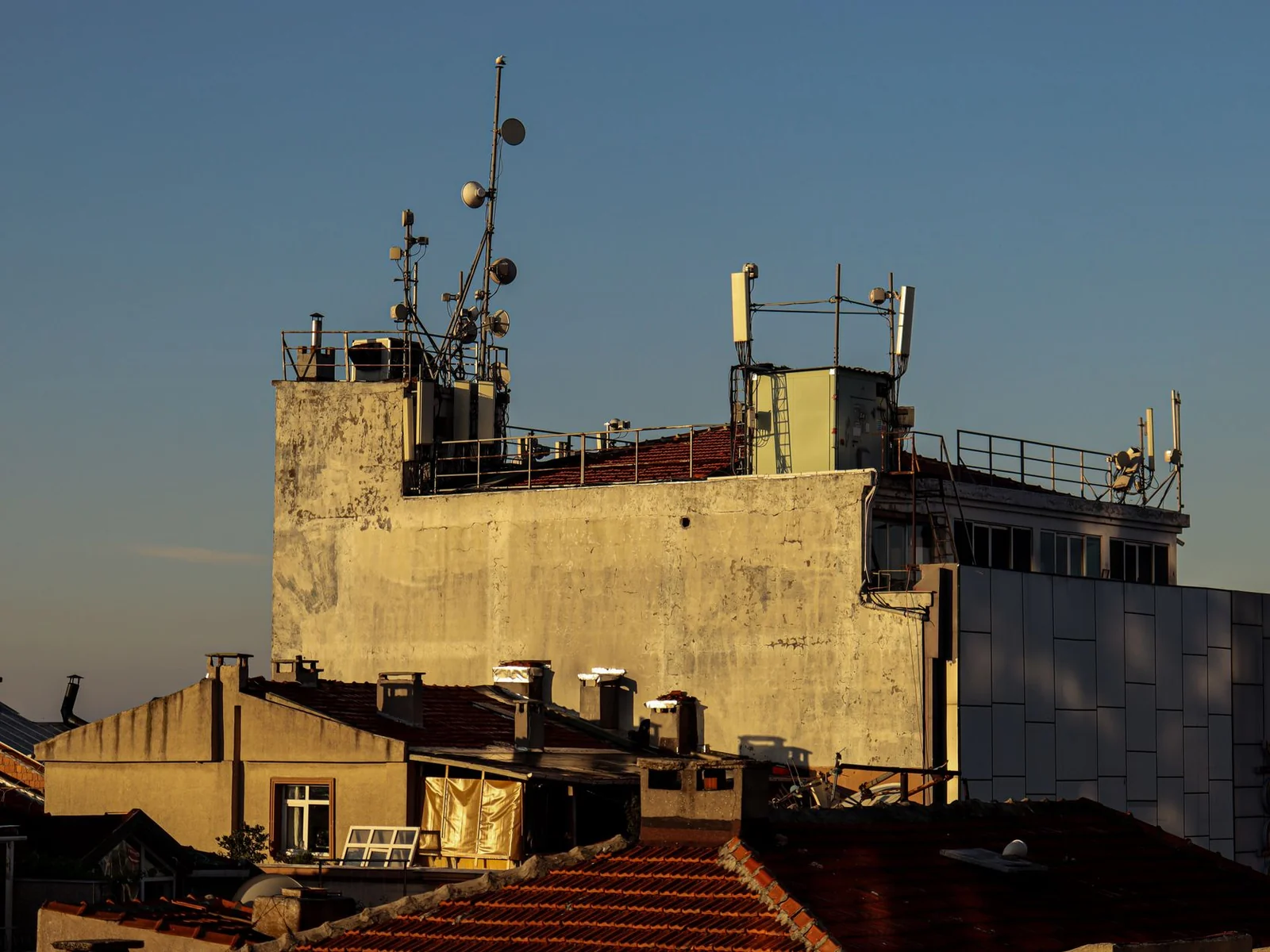
Ingestion, storage, and rules
A pipeline on the server receives readings from thousands of devices and stores them in a time-series store beside the business records. It runs the rules the business sets, thresholds, rates of change, missed heartbeats, and combinations across devices, each producing an alert, a task, or a record.

Field and warehouse apps
ZingZee builds the mobile apps staff carry into the field and the aisle, where a scan confirms a transfer and a photo and a checklist close a task. The location of every person and vehicle is visible in the office, and the apps work offline and sync when the connection returns.
Monitoring, control, and fleet management
Dashboards show the condition of every device and site, with drill-down to the reading behind each figure. Controlled actions, such as setting a thermostat or scheduling a battery, are sent to the device with an approval step, an audit entry, and a confirmation read back from the device.
Use cases

A pump flagged before it fails
A property company maintaining pools, boilers, and pumps across hundreds of villas receives readings from each unit on its own maintenance record. A reading outside its band raises a task on the villa, assigned to the nearest engineer, before the guest notices anything, and the inspection history predicts the next failure.
Every vehicle and every job on one map
An operations team facing dozens of turnovers on a Saturday sees where every person and vehicle is, which task each is on, and which villa is next. A wasted drive between properties an hour apart is designed out, and a late finish is visible in time to reassign it.
A stock transfer confirmed with one scan in the aisle
A warehouse team that read a paper pick list and confirmed transfers at a desk now confirms each line with a scan on a handset and records a shortfall as it happens. The transfer posts to the ERP within thirty seconds, and a customer return is back in shop stock in the same interval.
Installed inverters and batteries read as one fleet
An installer with systems in customers' homes reads the output, the state of charge, and the faults of every unit on one screen, and raises a service visit when a unit under-performs against its neighbours. The platform is prepared to schedule the batteries as one fleet when the flexibility market opens to them.
Machine counts and faults that reach the ERP
A manufacturer whose lines report counts and stoppages to a panel nobody reads receives a gateway that forwards each count and fault to the server. Production posts to the ERP on each shift, and a maintenance task is raised on the machine with the fault code and the time it started.
How a connected-device project with ZingZee runs
A connected-device project with ZingZee runs through the five-phase delivery framework. The strategic assessment inventories the devices, the protocols, the connectivity, and the power at each site, reads a sample of the data the devices already produce, and writes down the decisions the business wants to take from it. The AI roadmap fixes the device set for the first release, the path from device to server, the rules, the hosting, and a measured target, such as failures caught before a guest or a customer reports them. Integration and deployment installs the gateway software on a pilot site, proves the pipeline against dropped connections and bad readings, and then rolls out site by site with the field app in the hands of the staff who use it. Adoption and enablement trains the people who receive the alerts and act on the tasks, and hands over the runbook for the devices and the server. Governance, optimisation and scale reviews the alert volume, the false-positive rate, and the device health each month, adds device families, and tunes the rules as the data accumulates. Each phase opens with a scoping workshop and closes with a hardening workshop, where the system is tested against the failure modes, and a delivery workshop, where the client's staff use it and sign it off.
Strategic assessment
We assess how the business operates today: its processes, its data and the systems it runs on. From that we identify the use cases with the highest return and confirm the organisation is ready to adopt them, so the programme starts from a defined baseline.
AI roadmap
Findings become a phased roadmap that balances early wins with the longer build. ZingZee sets the milestones, the resourcing and the governance that keep delivery on schedule and aligned to business objectives.
Integration and deployment
Our engineers develop, validate and deploy the solution into your production environment, integrated with the enterprise systems you already run and sized for the workloads it will carry.
Adoption and enablement
Enablement programmes prepare business users and technical teams to work with the new capability, and structured change management ensures the organisation captures the full value of what has been deployed.
Governance, optimisation and scale
Ongoing governance, monitoring and optimisation keep the solution accurate, compliant and performing. Proven solutions are then scaled across departments and regions under the same data governance standards.
Connected-device engagement scope
Deliverables
A working connected-device system in the client's repository: the gateway or edge software, the ingestion pipeline, the rules, the field or warehouse app, and the dashboards. It reads the agreed device set in production and is in daily use at the end of the engagement, with the documentation handed over.
Deliverables
A working connected-device system in the client's repository: the gateway or edge software, the ingestion pipeline, the rules, the field or warehouse app, and the dashboards. It reads the agreed device set in production and is in daily use at the end of the engagement, with the documentation handed over.
Included as standard
The device and protocol inventory, a connectivity design with failure modes, buffering and replay for dropped connections, device identity and access control, an audit entry on every control action, automated tests on the rules, a deployment pipeline, monitoring of device heartbeats, and a recorded handover.
Hardware and site access
The client provides the devices, gateways, network, and power on each site, and access for ZingZee's engineers to install and test. Gateway hardware and industrial computers are specified by ZingZee and purchased in the client's name; custom electronics are scoped with a hardware partner as a separate item.
Priced separately
Device selection and procurement support, custom electronics or enclosures, installation crews on site, connectivity contracts, additional device families after the agreed first set, and support after the governance phase are scoped and quoted as their own items.
What the client provides
The list of sites and devices with their documentation, credentials for any vendor cloud the devices report to, the thresholds and rules the business wants applied, a named person who receives alerts during the pilot, and a decision-maker who approves each release.
Outside the engagement
Electrical work, mounting and cabling, SIM and network contracts, certification of devices for the market they are used in, and health and safety approvals for the site are the client's to arrange, with ZingZee supplying the technical requirements each one needs.
Connected-device tooling
ZingZee builds every connected-device system on the same set of tools, so a client who reads about one deployment can expect the same on the next. The tooling covers:
- Python and C or C++ on gateways and industrial computers for reading serial, Modbus, BLE, and vendor protocols
- MQTT with device identities and certificates for transport from the site to the server
- A time-series store for readings beside Postgres for assets, tasks, rules, and the audit log
- Python services for ingestion, rules, and integrations with the ERP, maintenance, and booking systems
- Native and cross-platform mobile frameworks for offline-first field and warehouse apps
- TypeScript with Next.js and React for dashboards, fleet views, and control screens
- Heartbeat monitoring and alerting on every device and gateway, wired to a named engineer
Readings from the field turned into jobs, alerts, and records
Industries where ZingZee applies connected-device work
ZingZee has applied connected-device work in travel and hospitality, where a field operations app puts the location of every person and vehicle on one screen beside the tasks generated from each booking, and every task carries a photo, a timestamp, and a cost. In retail, handheld scanners in the aisle confirm stock transfers that post to the ERP within thirty seconds. In renewable energy, a platform built for a rooftop solar installer is being extended to read installed inverters and batteries as one fleet. The same practice is offered to property and facilities management, cold-chain logistics, manufacturing, agriculture, and marinas, where assets spread across many sites produce readings that should reach the office as jobs and records.
Connected-device engineering practices
Every reading carries a device identity, a timestamp set at the device or gateway, and a quality flag, so a gap in the data is visible as a gap and never filled by a stale value. Gateways buffer readings when the connection drops and replay them in order when it returns, and the server accepts late data without double-counting. Rules are tested against recorded data from the pilot site before they go live, and the false-positive rate is measured, because an alert that fires wrongly is switched off within weeks. Control actions to a device require an approval step until the client removes it in writing, carry an audit entry, and are confirmed by reading the device state back. Device credentials are issued per device and revoked per device, the server never trusts a reading without an identity, and the client's team receives the runbook to add, replace, and retire devices without ZingZee.
Cost and time for a connected-device system
The cost of a connected-device system depends on the number of device families and the protocols they speak, the number of sites and the connectivity at each, and whether readings must be acted on locally when the server is unreachable. It also depends on the rules and integrations the business needs and on whether the system controls devices or only reads them. A pilot on one site with one device family, feeding tasks into an existing platform, is a matter of six to ten weeks. A rollout across many sites with a field app, control actions, and ERP integration is a matter of four to nine months, delivered site by site. Gateway hardware is specified and priced in the assessment. ZingZee provides a written estimate after the strategic assessment and phases the budget so that the pilot proves the value before the rollout is funded.
What happens next?
You send a description of the devices, the sites, the readings you want acted on, and the systems the results should reach.
An engineer reads it and replies within two working days with the shape of a strategic assessment and the questions about protocols and connectivity it must answer.
You sign a non-disclosure agreement if you need one, and you receive a proposal with the phases, the estimate, and the team.
Discuss a connected-device system with ZingZee
Send the devices, the sites, and the readings you want acted on. An engineer replies with a scoped assessment and the questions about protocols and connectivity it must answer.
Or call +357 26 022564
Your details are used to respond to this enquiry, as our privacy policy explains. Privacy policy
Frequently asked questions
Straight answers on IoT development work with ZingZee.