Solution Architecture Services
System design settled before the first line of code
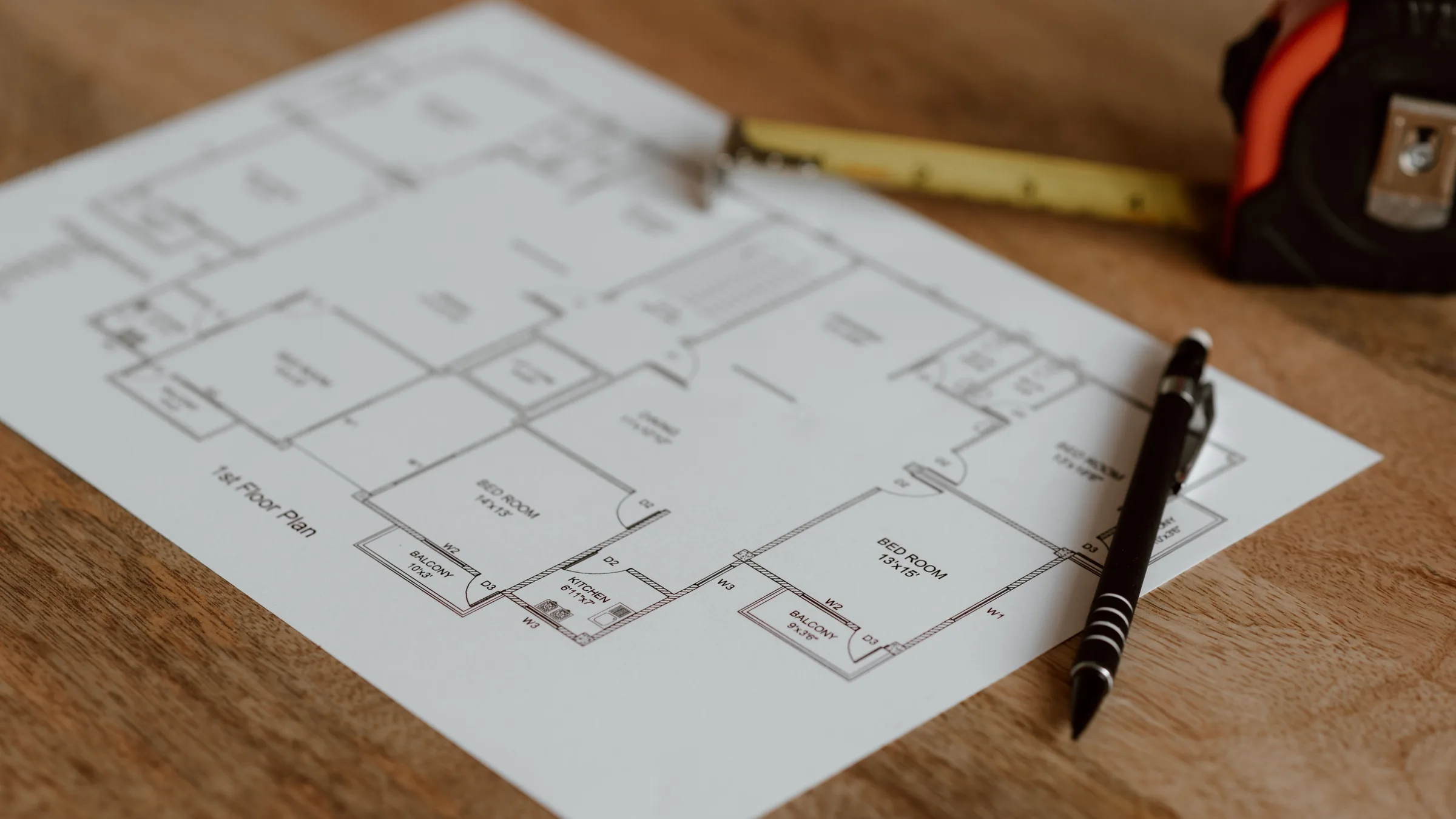
ZingZee provides solution architecture services for companies commissioning a platform, an integration, or a modernisation of a system already in use. An architect from the Limassol delivery team fixes the design, the data model, the integrations, and the hosting, and carries those decisions through the five-phase delivery framework.
What solution architecture is
Solution architecture is the set of decisions that shape a software system before it is built: which components exist, how they exchange data, where the record of truth for each entity lives, how users and other systems are authenticated, and where the whole system runs.
ZingZee's solution architecture services produce those decisions as written documents, diagrams, and a build order that an engineering team can follow without further interpretation. The architect works from the client's business processes, its existing systems, its data volumes, and its regulatory position, and states each decision with the alternatives considered and the reason for the choice. For a company commissioning a system, the value is a design whose cost, risk, and capacity are known before the first development invoice is raised, and whose design survives the departure of the people who built it.
System design settled before the first line of code
Industries where ZingZee applies solution architecture
ZingZee has applied solution architecture in travel and hospitality, where a villa rental platform replaced a booking engine, a channel connection, and a set of spreadsheets with one system holding availability, pricing, payments, and accounts; in retail and distribution, where an online shop and a warehouse application were designed around an existing ERP as the record of truth; in professional services, where a document assistant was placed inside a private boundary; and in financial services, where an accounting platform was designed with a ledger at its centre. The same discipline is offered to healthcare, logistics, real estate, and iGaming companies whose systems must exchange data under regulatory constraints.
Solution architecture services ZingZee provides

Target architecture and system design
ZingZee's architects produce the target design for a new platform or a modernised one: the components, the boundaries between them, the data each one owns, and the interfaces that connect them. Each decision is recorded with the options considered, the reason for the choice, and the conditions under which it should be revisited.
Integration architecture
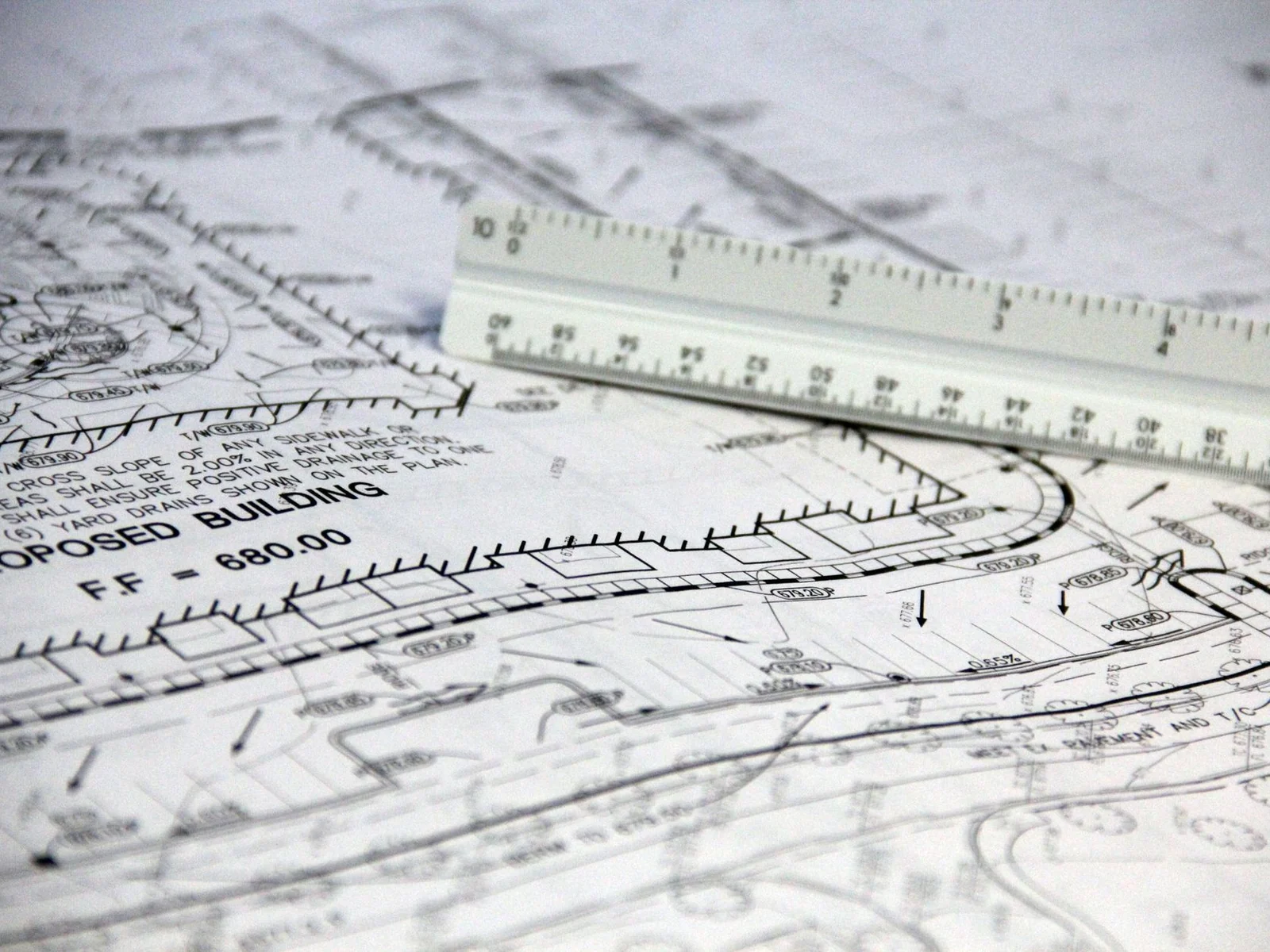
The architect maps every system the platform must exchange data with, fixes the direction of each flow, the record of truth for each entity, and the handling of failures and retries. The result is an integration design that a developer can build from and an operations team can monitor.

Data model and storage design
ZingZee designs the schema, the identifiers, the audit trail, and the retention rules before any table is created, and states where each class of data may be stored. The design covers reporting needs as well as transactions, so the finance and operations teams read from the same records.
Hosting, security, and capacity design
The architect specifies where the system runs, on a public cloud, on ZingZee's own hardware in Cyprus, or on the client's servers, with the network boundaries, the identity model, the backup regime, and the capacity the business will need over the planning horizon. Each option is costed over three years.
Architecture review of an existing system
ZingZee reviews a system the client already runs or is about to buy, reads the code, the schema, and the deployment, and reports on the risks, the cost of change, and the sequence in which the weak points should be addressed. The review gives the client a written position before a renewal, an acquisition, or a rebuild decision.
When solution architecture services are
the right choice.
When solution architecture services are the right choice
Solution architecture services are the right choice when a company is about to commission a system that several departments will depend on, when a new platform must exchange data with an ERP, an accounting package, or a booking engine already in use, or when an existing system has reached the point where each change breaks something else. They suit a business that has received proposals from several suppliers and needs an independent design to compare them against, and a business whose regulator or auditor asks for documented data flows and access controls. A company planning to run private AI on its own hardware has a further reason, because the model, the document index, and the systems it reads need a design that keeps data inside the agreed boundary. The strategic assessment confirms which of these cases applies and how much architecture work the project needs.
When a separate architecture engagement is the wrong choice
A separate architecture engagement is the wrong choice for a small internal tool with one user group, one data source, and no integration, where the design fits on a page and the engineering team can settle it in the first week of the build. It is the wrong choice when the business process itself is undecided, because an architecture that models a process nobody has agreed will be redrawn as soon as the first department objects, and ZingZee scopes business analysis first in that case. It is also the wrong purchase for a company that wants a document to satisfy a procurement rule and has no intention of building to it. Where architecture is needed as part of a wider build, ZingZee includes it in the platform engagement and does not charge for it twice.
Use cases

A property group commissions a platform to replace a booking engine, a pricing spreadsheet, and a separate accounts workbook. The architecture fixes one ledger for money, one calendar for availability, and one record per property, so the three functions stop disagreeing with each other.

A distribution company adds an online shop and a warehouse application alongside its ERP. The architecture keeps stock, prices, and orders inside the ERP, defines the read and write paths for each new system, and specifies what each one does when the ERP is unreachable.

A professional services firm wants an assistant that reads client files. The architecture places the model on hardware in Cyprus or on the firm's own servers, mirrors document access from the file system, and logs every question and answer for the compliance team.

A company with a ten-year-old application that fails under load asks for a modernisation plan. The architecture identifies the modules that can be separated first, the data each one must own, and the sequence that keeps the business running during the change.

A client holding two competing vendor proposals engages ZingZee for a target architecture and a scoring of each proposal against it. The client signs with a written view of what each vendor has left out and what it will cost to add later.
Solution architecture engagement scope
Deliverables
An architecture document set: the context and component diagrams, the data model, the integration catalogue, the hosting and security design, the decision log, the risk register, and a build order with estimates, reviewed with the client's technical and business leads and signed off.
Deliverables
An architecture document set: the context and component diagrams, the data model, the integration catalogue, the hosting and security design, the decision log, the risk register, and a build order with estimates, reviewed with the client's technical and business leads and signed off.
Included as standard
A workshop with each business function affected, a review of the existing systems and their data, a costed comparison of hosting options, a recorded walkthrough for the engineering team, and one round of revisions after the client's review.
Access and approvals
The client grants read access to source repositories, databases, and cloud accounts under its own credentials, and names the person who approves each version of the design. ZingZee returns or revokes every credential at the close of the engagement.
Priced separately
Proof-of-concept builds to test a design decision, performance testing of an existing system, vendor selection beyond the scoring of proposals the client already holds, and architecture governance during a build led by another supplier are quoted as their own items.
What the client provides
Access to the people who run each affected process, read access to the existing systems and their documentation, the data volumes and growth expectations, any regulatory or contractual constraints on data, and a decision maker who signs off the design.
Outside the engagement
Software development, cloud subscriptions, hardware purchases, and legal review of data-processing terms sit outside the architecture engagement. ZingZee specifies each one in the design and quotes the build as a separate engagement where the client wants one.
Solution architecture tooling
ZingZee's architects work with the same set of tools on every engagement, so the documents a client receives are readable by any engineering team. The tooling covers:
- The C4 model for context, container, and component diagrams
- Architecture decision records kept in the client's repository
- OpenAPI and AsyncAPI specifications for every interface in the design
- Entity relationship diagrams and a data dictionary for the schema
- Threat modelling on the data flows before the design is signed off
- Cost models for cloud, ZingZee hardware, and on-premises hosting options
How an architecture engagement with ZingZee runs
An architecture engagement with ZingZee runs through the five-phase delivery framework. The strategic assessment collects the business processes, the existing systems, the data volumes, and the constraints, and states the questions the architecture must answer. The AI roadmap fixes the target design, the sequence of work, and the points where private AI, automation, or a bought product is the right component, with a measured target for each. Integration and deployment turns the design into a build order, hands it to the engineering team, ZingZee's own or the client's, and keeps the architect on the project to review each release against the design. Adoption and enablement walks the client's developers and operations staff through the decision log so the design is understood by the people who will maintain it. Governance, optimisation and scale reviews the architecture as volumes grow and new systems arrive, and records each change in the same log. Each phase opens with a scoping workshop and closes with a hardening workshop, where the design is tested against the risk register, and a delivery workshop, where the client signs off the documents.
Strategic assessment
We assess how the business operates today: its processes, its data and the systems it runs on. From that we identify the use cases with the highest return and confirm the organisation is ready to adopt them, so the programme starts from a defined baseline.
AI roadmap
Findings become a phased roadmap that balances early wins with the longer build. ZingZee sets the milestones, the resourcing and the governance that keep delivery on schedule and aligned to business objectives.
Integration and deployment
Our engineers develop, validate and deploy the solution into your production environment, integrated with the enterprise systems you already run and sized for the workloads it will carry.
Adoption and enablement
Enablement programmes prepare business users and technical teams to work with the new capability, and structured change management ensures the organisation captures the full value of what has been deployed.
Governance, optimisation and scale
Ongoing governance, monitoring and optimisation keep the solution accurate, compliant and performing. Proven solutions are then scaled across departments and regions under the same data governance standards.
Solution architecture practices
Every design decision is recorded with the alternatives considered, the reason for the choice, and the date, so a developer joining the project two years later can see why the system is shaped as it is. The record of truth for each entity is named once, and every other system that holds a copy is marked as a copy. Interfaces are specified before they are built, and the specification is the contract the tests are written against. Hosting options are costed over three years, with the client's data-residency constraints applied before price. The architect stays on the project through the build and reviews each release against the design, and a departure from the design is either approved and recorded or reversed.
Cost and time for a solution architecture engagement
The cost of solution architecture services depends on the number of systems in scope, the number of business functions whose processes must be modelled, the state of the existing documentation, and whether the client wants a design for a new build or a review of a system already running. An architecture review of one system is a matter of two to three weeks. A target design for a platform that integrates with an ERP, a payment provider, and a reporting layer is a matter of four to eight weeks, with the architect available through the build thereafter at a fixed monthly allocation. ZingZee provides a written estimate after the strategic assessment and phases the work to the client's decision dates.
What happens next?
You send a description of the system you are planning or the one you want reviewed, the systems it must connect to, and the decision you need to make.
An architect reads it and replies within two working days with the shape of a strategic assessment.
You sign a non-disclosure agreement if you need one, and you receive a proposal with the phases, the estimate, and the team.
Get a free solution architecture consultation
Send a description of the system you are planning and the systems it must connect to. An architect replies with the shape of an assessment and the decisions it will settle.
Or call +357 26 022564
Your details are used to respond to this enquiry, as our privacy policy explains. Privacy policy
Frequently asked questions
Straight answers on Solution architecture work with ZingZee.