RAG and Search Services
Answers from your own documents, with the source cited
ZingZee builds retrieval-augmented generation pipelines that read a client's documents, find the passages that answer a question and cite each one back to its page. A deterministic extraction layer handles figures, dates and clauses before the language model reads anything, so the model explains what the parser has already found.
- Cyprus, engineers across the globe
- Five-phase delivery
- Typed, tested, handed over

What RAG and search are
ZingZee's RAG and search services cover pipelines that let staff ask questions of a company's own documents and receive an answer with the source cited. Retrieval-augmented generation, or RAG, works in two steps: a search finds the passages in the document set that bear on the question, and a language model reads only those passages to write the answer, returning the page and paragraph it used. Figures, dates, and clause references are extracted by deterministic code before the model is involved, so a number on screen was read by a parser and checked against the page. For a business owner, RAG matters because it turns a policy wording, a contract archive, or a procedures manual into something a handler can query in seconds and verify without re-reading the file.
What we do with RAG and search
Retrieval-augmented generation, or RAG, answers a question by finding the relevant passages in a set of documents first and giving only those passages to the language model. ZingZee builds the whole pipeline: document intake, chunking that respects headings and clauses, an index held in Postgres alongside the client's other data, a retrieval step scored on the client's own questions, and an answer that cites every passage it used.
Figures, dates, policy limits and clause references are extracted by deterministic code before the model is involved, because a number read by a parser can be checked against the page. The model does the qualitative reading: summarising a clause, comparing two wordings, or flagging a term that the checklist says should be present. The insurance policy desk in the case studies reads 100-page wordings this way and cites the page for each finding.
Search on its own is delivered with the same tooling. Full-text and semantic search over a product catalogue, a booking history or a document archive returns ranked results with the matched text shown, so a member of staff checks the hit before acting on it. Where a public model is unacceptable, the same pipeline runs on a private model on ZingZee's hardware.
Answers from your own documents, with the source cited
Why RAG and search
Every answer carries its source
The passages the model read are returned with the answer, page and paragraph included, so a handler verifies in seconds without re-reading the file.
Figures are read by a parser
Amounts, dates and limits are extracted deterministically and checked against the document, and the model is never asked to produce a number from memory.
Retrieval measured before go-live
A set of real questions with known answers is run against the index during the assessment, and the retrieval score is fixed before any screen is built.
Documents stay in the client's store
The index and the files sit in the client's database and file store, and access follows the same roles as the rest of the platform.
Long documents handled in sections
Wordings that exceed a model's reading window are split by heading and read in passes, with each section's findings merged into one report.
When RAG is the right choice
RAG is the right choice when staff spend time reading long documents against a checklist, such as a new policy or a renewal checked for missing cover, changed terms, and clause references. It is the right choice for invoice and receipt intake, where the header, the line items, and the VAT rates are read from a photo or a PDF and coded for approval. It suits knowledge search over procedures, past correspondence, and product data, where the matching text must be shown beside each result, and catalogue search that matches product names and codes across spelling variants. It also suits transcript analysis, where spoken answers are graded against a rubric. ZingZee measures retrieval accuracy on the client's own questions in the assessment before any build is scoped.
When RAG is the wrong choice
RAG is the wrong choice where the answer is a figure that must be computed from structured records, such as a balance or a stock level, which belongs in a database query and a dashboard. It is the wrong choice where the document set is a handful of short files a person reads in minutes, since the pipeline costs more than the reading. It is the wrong answer where the documents are poor scans with no recognisable text, until the capture process is fixed. Search on its own, without a model, is the right delivery where staff want ranked results with the matched text shown and no generated summary. ZingZee's assessment tests the document sample and the questions before either is proposed.
Use cases
Policy and contract checking
A new policy or renewal read against a checklist, with missing cover, changed terms and upsell openings listed with clause references.
RAG and search services
ZingZee provides.
Document reading pipelines with cited answers
ZingZee builds the whole pipeline: document intake, chunking that respects headings and clauses, an index held in Postgres beside the client's other data, a retrieval step scored on the client's own questions, and an answer that cites every passage it used.
Deterministic extraction before the model
Amounts, dates, policy limits, and clause references are extracted by parsers and checked against the page, and the model does the qualitative reading: summarising a clause, comparing two wordings, or flagging a term a checklist says should be present.
Full-text and semantic search
Search over a product catalogue, a booking history, or a document archive that returns ranked results with the matched text shown, so a member of staff checks the hit before acting on it.
Scanned paper and optical character recognition
Scans pass through recognition first, with the recognised text kept beside the image so a handler can check a doubtful reading, and poor scans flagged for re-capture.
Private deployment of the pipeline
Where a public model is unacceptable, the same pipeline runs against a private model on ZingZee's own hardware or a dedicated server, with the index and the files kept in the client's database and file store.
RAG and search scope
Deliverables
The intake, extraction, and retrieval services with the index and the evaluation set, running on the platform and answering the agreed question set with citations to the page.
Included as standard
The evaluation runner re-run on every change with its retrieval score recorded, tests on the deterministic parsers, monitoring, a runbook per document type, and a recorded handover.
Priced separately
Additional document types after the first, scanned paper with variable quality after the sample test, a private model deployment, and staff-facing screens over the pipeline are quoted separately.
What the client provides
Sample documents of each type including poor ones, the checklist or questions with reference answers, the archive access, and a person who signs off the accuracy target.
Outside the engagement
Model API fees where a public model is chosen, hosting contracts, and document management subscriptions are the client's. ZingZee sets each one up on the client's account.
How a RAG project with ZingZee runs
A RAG project with ZingZee runs through the five-phase delivery framework. The strategic assessment collects a sample of real documents, the questions staff actually ask of them, and the answers to a few, and measures retrieval accuracy on that set before any build is scoped. The AI roadmap fixes the extraction rules and the retrieval target. Integration and deployment builds the pipeline into the client's platform and re-runs the question set before go-live. Adoption and enablement trains the people who will check the answers. Governance, optimisation and scale re-runs the question set as the document set grows and reviews accuracy and cost. Each phase opens with a scoping workshop and closes with a hardening workshop, where the pipeline is tested on the worst documents in the sample, and a delivery workshop, where the client's staff sign it off.
- Strategic assessment
- AI roadmap
- Integration and deployment
- Adoption and enablement
- Governance, optimisation and scale
Industries where ZingZee applies RAG and search
ZingZee has applied RAG and search services in insurance, where a policy desk reads wordings of a hundred pages against a checklist and cites the page for each finding; in financial services, where an accounting platform's invoice inbox reads photographs and PDFs into coded records; in aviation training, where a transcription and grading pipeline scores spoken answers against a rubric; and in retail and distribution, where catalogue search matches product names and codes across spelling variants for ordering apps and pick lists.
RAG and search tooling
ZingZee's RAG work uses one set of tools on every pipeline, so a client who reads about policy checking can expect the same on invoice intake. The tooling covers:
- Python services for intake, chunking, extraction, and retrieval
- Postgres with pgvector and full-text search for the index, held beside the client's other data
- Deterministic parsers for amounts, dates, limits, and clause references, checked against the page
- Optical character recognition with the recognised text kept beside the image
- A private model on ZingZee's hardware or a public model API, chosen per engagement in the assessment
- An evaluation runner that re-runs the question set on every change and records the retrieval score
RAG engineering practices
Every pipeline ZingZee ships returns the passages the model read with the answer, page and paragraph included, so a handler verifies in seconds. Figures are extracted by parsers before the model is involved, and a figure with no source in the text is flagged instead of shown. Retrieval is scored on real questions with known answers during the assessment, and the score is fixed before any screen is built. Long documents are split by heading and read in passes, with each section's findings merged into one report. The index and the files sit in the client's database and file store, and access follows the same roles as the rest of the platform. The question set becomes the regression test, re-run on every change. At handover the client receives the pipeline, the extraction rules, the index, the question set, and the runbook.
Cost and time for a document reading pipeline
The cost of a document reading pipeline depends on the document types and their quality, the number of questions and checklist items, the accuracy target, whether scans are involved, and whether the model runs privately. A single document type against a fixed checklist, on an existing platform, is a matter of weeks. Several document types, an intake pipeline, and a staff search over an archive is a matter of months and goes live document type by document type. Scanned paper with variable quality adds recognition and re-capture work priced after the sample is tested. ZingZee provides a written estimate after the strategic assessment and phases the budget to the client's priorities.
What happens next?
You send a sample document and the questions staff ask of it.
An engineer reads it and replies within two working days with the shape of a strategic assessment.
You sign a non-disclosure agreement if you need one, and you receive a proposal with the phases, the estimate, and the team.
Related case studies.
Real projects, real numbers.
 5 min per policy check, from about an hourInsuranceAI insurance policy checking software for a commercial brokerA policy desk reads each schedule and wording, compares the renewal with the expiring cover, and cites every point to its clause; a check now takes five minutes.Read the case study
  5,000 invoices cleared in 4 daysAccountingAutomated invoice processing and bank reconciliation for a Cyprus villa management groupAI invoice processing and automated bank reconciliation, built into a villa management group's own system, cleared a backlog of 5,000 invoices in four days.Read the case study
 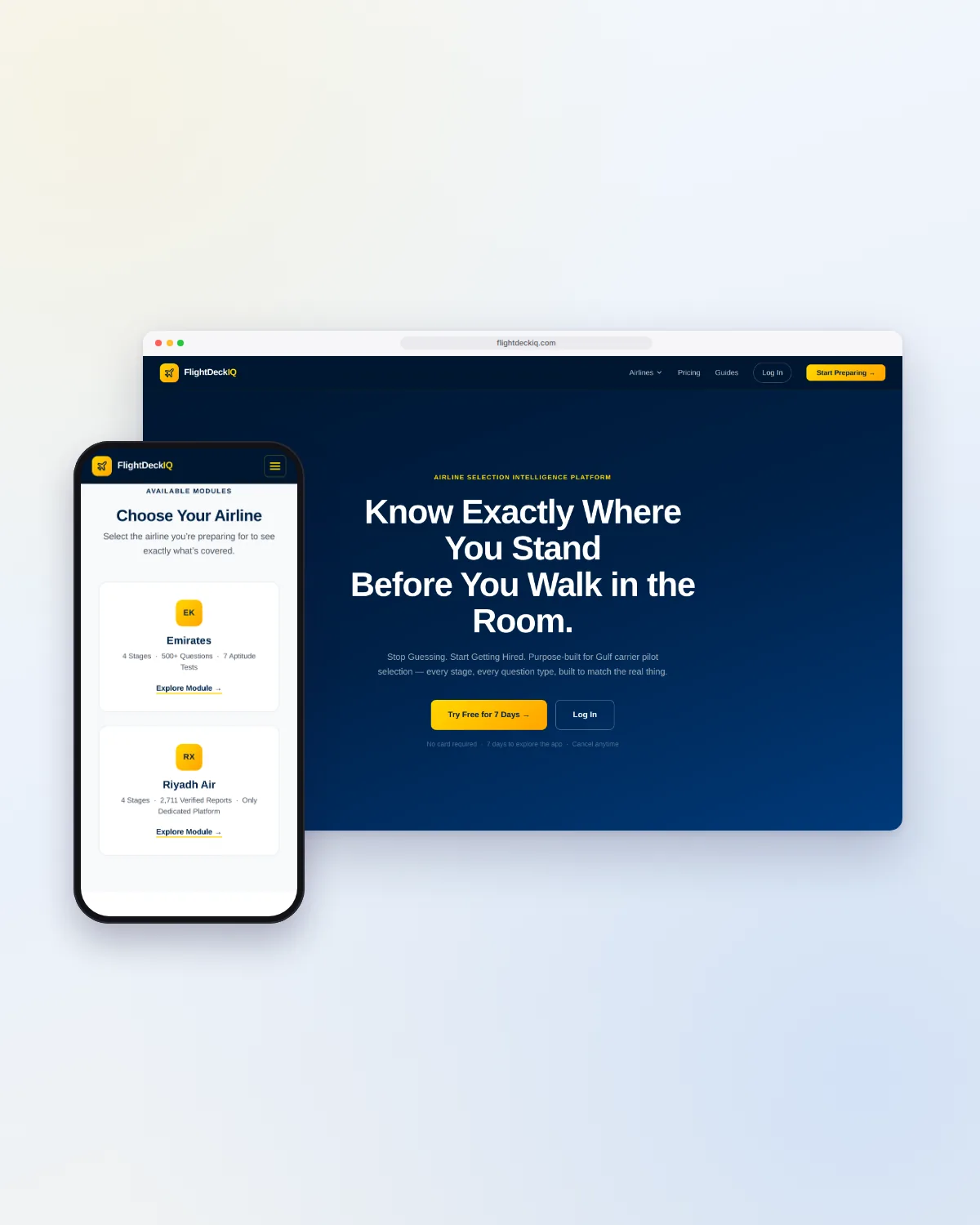 500+ practice questions in the first moduleProductAssessment preparation platform for commercial airline pilotsZingZee's own product combines study modules with seven aptitude test simulators built on the real selection process of each airline it covers.Read the case study
 Frequently asked questions
Straight answers on RAG and search work with ZingZee.